
Copyrighted Course MaterialsStandardized content updated according to course objectives.



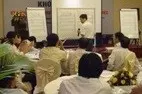




Course
Six Thinking Hats
Six Thinking Hats Skills
A parallel thinking method that helps teams examine issues from multiple perspectives, reduce unfocused debate and improve decision quality.
Table of Contents
1. Course Overview
Meetings and group discussions often become ineffective when facts, emotions, risks and ideas are raised at the same time. The Six Thinking Hats method creates a shared language that helps members focus on one mode of thinking at a time.
The course “Six Thinking Hats” guides learners to use six perspectives in sequence: facts, emotions, cautions, benefits, creativity and facilitation. The content is delivered through meeting, problem-solving and decision-making scenarios in business settings.
After the program, learners need to select an appropriate sequence of “hats,” facilitate structured dialogue and turn discussion outcomes into clear action options.
2. Training Objectives
- Explain the role and principles of using the Six Thinking Hats.
- Differentiate facts, emotions, risks, benefits and ideas during discussion.
- Select the right sequence of hats for each meeting objective or problem to be addressed.
- Facilitate parallel thinking to reduce conflict and avoid repetitive discussion.
- Develop options from multiple perspectives before making decisions.
- Build an application plan for using the method in team meetings and daily work.
3. Target Participants
- Business leaders and managersNeed to improve the quality of discussion, decision making and problem solving within their teams.
- Team leaders and middle managersRegularly facilitate meetings, handle opposing opinions or lead improvement activities.
- Functional specialists and project team membersNeed to present viewpoints in a structured way and collaborate effectively with multiple stakeholders.
4. Course Content
The program consists of six parts, moving from the principles of parallel thinking to the use of each hat group and the design of a complete discussion session.
PART 01Foundations of the Six Thinking Hats Method
- Concept of the Six Thinking Hats method.
- Role of parallel thinking in teams.
- Differences between debating and thinking together.
- Benefits for meetings, creativity and decision making.
- Principle of separating emotions from facts.
- The six-color thinking hat model.
- Case: A meeting with many opinions but little clarity.
- Practice identifying personal thinking styles.
PART 02White Hat and Fact-Based Thinking
- Collect objective and verifiable information.
- Differentiate facts, assumptions and speculation.
- Identify missing data that needs to be added.
- Ask questions to clarify the current situation.
- Avoid conclusions when information is insufficient.
- Apply the White Hat in problem analysis.
- Example of evaluating a project using data.
- Practice building a White Hat fact table.
PART 03Red Hat and Black Hat in Situation Assessment
- Identify emotions, intuition and gut feelings.
- Express feelings without needing to justify them.
- Analyze risks, weaknesses and consequences.
- Identify what may go wrong or fail.
- Balance emotions with realistic cautions.
- Techniques for raising risks without creating defensiveness.
- Case: A team overlooks risks because it is overly enthusiastic.
- Practice assessing emotions and risks.
PART 04Yellow Hat and Green Hat in Solution Development
- Find benefits, opportunities and potential value.
- View the issue from an improvement perspective.
- Open up new ideas without judging too early.
- Combine ideas to create alternative options.
- Use “what if” questions to expand thinking.
- Select ideas based on value and feasibility.
- Case: A team runs out of ideas after many meetings.
- Practice developing solutions with the two hats.
PART 05Blue Hat and Thinking Process Facilitation
- Define clear objectives for the discussion.
- Choose the hat sequence appropriate to each situation.
- Facilitate everyone to think in the same direction.
- Summarize results after each hat round.
- Control discussion time and scope.
- Turn ideas into action decisions.
- Case: The facilitator allows the meeting to drift.
- Practice designing a Six Hats meeting session.
PART 06Applying the Six Hats at Work
- Apply the method in team problem solving.
- Apply the method in management decision making.
- Apply the method in internal process improvement.
- Apply the method in product and service innovation.
- Build rules for using the method in meetings.
- Measure effectiveness through decision quality.
- Case: A rushed decision creates major consequences.
- Practice building a Six Hats application plan.
5. Training Methodology
The class is organized in small groups with a learner-centered approach. The facilitator provides concise input, then leads discussion, case practice, feedback and debriefing so learners need to convert knowledge into applicable workplace behaviors.
Group Discussion
Individual Exercises
Group Presentations
Brainstorming Techniques
Facilitator-Guided Practice
Experiential Projects
In-Class Activities
Role-Play Activities
Classroom Presentations
6. Class Information
| Expected Opening | Schedule | Time | Location | Tuition Fee | Register |
|---|---|---|---|---|---|
| To be updated | Saturday – Sunday | 08:30 – 16:30 | Ho Chi Minh City | 4.500.000 VND | Register |
| To be updated | Monday – Thursday | 18:00 – 21:30 | Hanoi | 4.500.000 VND | Register |
10% discount for registration at least 15 days in advance, groups of three or more learners, or loyal clients.Reserve a Seat
Note: The opening schedule is tentative and may be adjusted depending on registration numbers, class organization conditions and the actual training plan. Masterskills will confirm the official schedule with learners before the start date.
- Duration: 2 days / 4 sessions; maximum 35 learners per class.
- Ho Chi Minh City: 224 Dien Bien Phu Street, Ban Co Ward, Ho Chi Minh City.
- Hanoi: 51 Le Dai Hanh Street, Hai Ba Trung Ward, Hanoi.
- In-house corporate training: Delivered at the client’s office or factory; quotation depends on design scope, location and class size.
- Additional costs: Trainer travel and accommodation costs are determined according to the delivery location, if applicable.
7. Learning Materials and Certification
Learners receive copyrighted course materials developed by Masterskills, practice handouts, self-assessment forms and reference materials closely aligned with business situations.
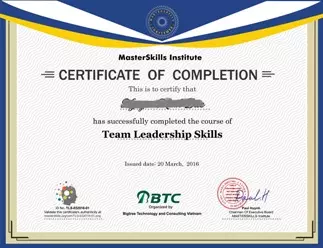
Certificate of Completion
Learners who meet attendance and practice requirements receive a Masterskills certificate of completion.
8. Faculty Team
Masterskills faculty and experts have practical management, consulting and training experience in fields relevant to the program content.

MBA. Paul Huynh
Leadership and capability development expert specializing in management skills, critical thinking, execution leadership and coaching.

MBA. Nguyen Huu Thai Hoa
Strategy and digital transformation expert specializing in corporate strategy, digital transformation, business model innovation and growth.
9. Masterskills Profile
Masterskills’ training capabilities, areas of expertise, delivery methodology and experience partnering with organizations.
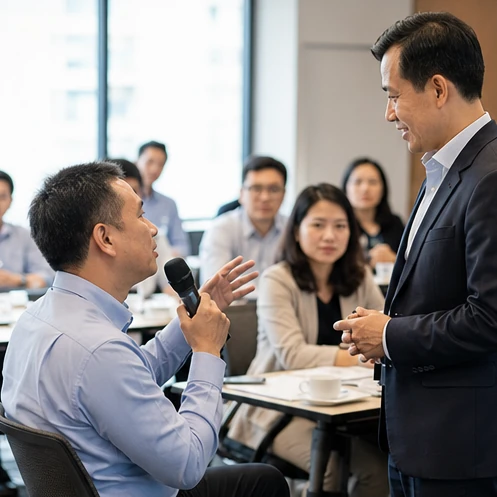
Client Feedback
View More Client Testimonials“The course Six Thinking Hats co content practical, activities practice bam sat work and cach guides clear. Giang vien helps learners use tool suitable, analyze case and build options need to apply vao work after program.”
10. Representative Clients
Selected real training programs with content related to this course have been delivered by Masterskills for corporate clients.
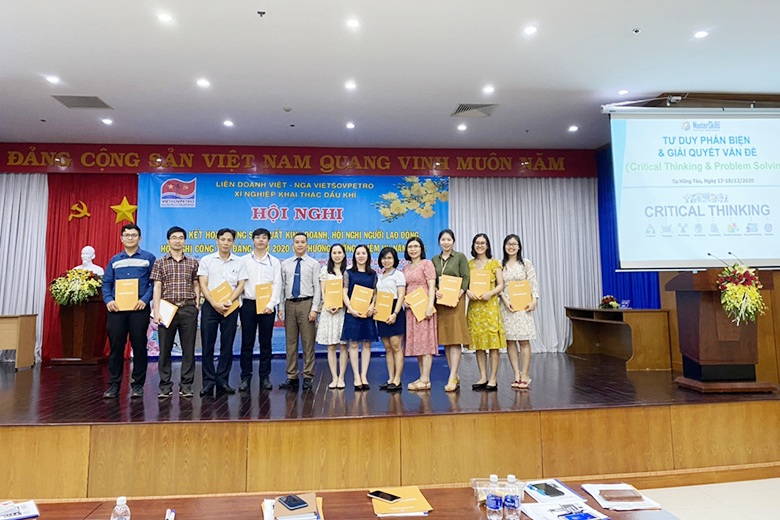 Critical Thinking and Problem-Solving SkillsVietsovpetro Petroleum Exploration Enterprise – Vung Tau
.webp) Problem-Solving and Decision-Making SkillsNew World Hotel (ITC) - Ho Chi Minh City
Problem-Solving and Decision-Making SkillsNew World Hotel (ITC) - Ho Chi Minh City
.webp) Negotiation and Problem-Solving SkillsSapporo Vietnam Company - Ho Chi Minh City
Negotiation and Problem-Solving SkillsSapporo Vietnam Company - Ho Chi Minh City
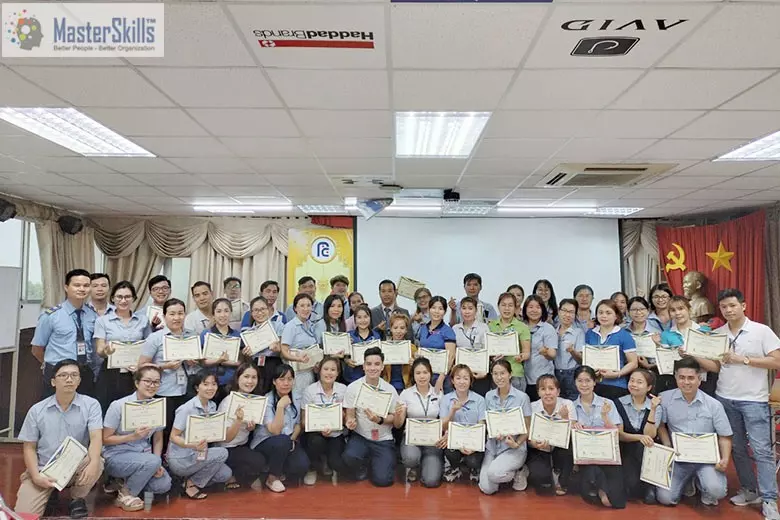 Problem-Solving SkillsFar Eastern Apparel Vietnam (FEAV) - Binh Duong Province
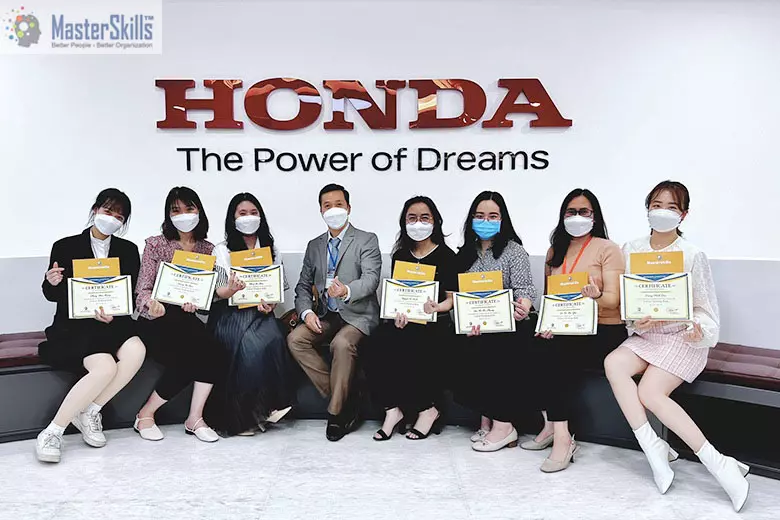 Critical Thinking SkillsHonda Vietnam Company - Ho Chi Minh City
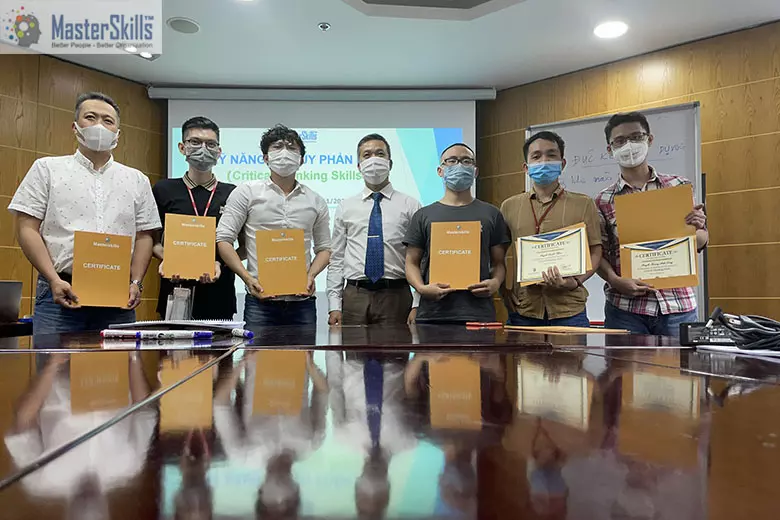 Critical Thinking SkillsAjinomoto Vietnam Company - Ho Chi Minh City
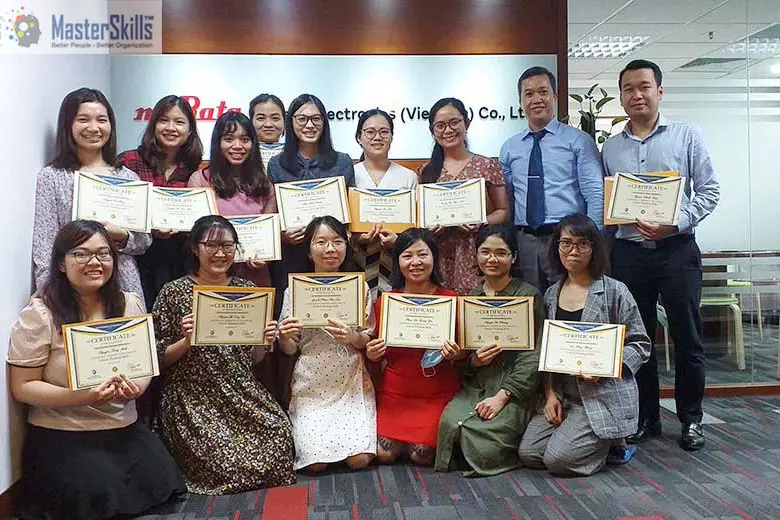 Critical Thinking SkillsMurata Electronics Vietnam Company - Ho Chi Minh City
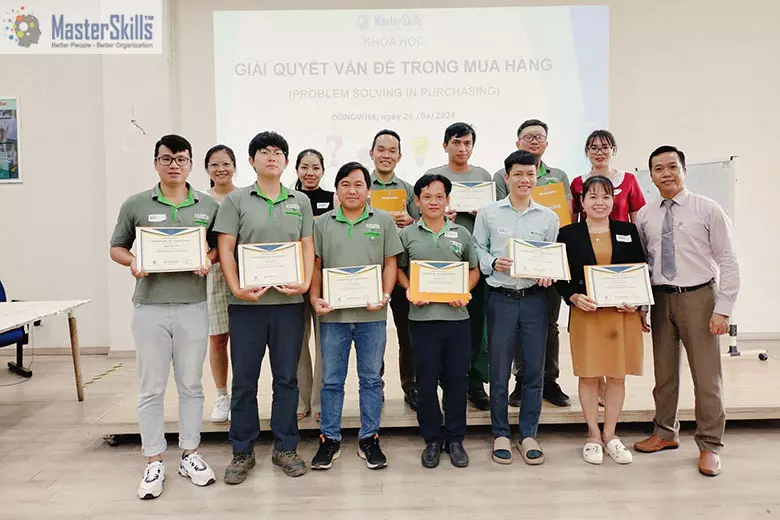 Problem Solving in PurchasingMDF VRG Dongwha Wood Company - Binh Phuoc Province
Related The course

Critical Thinking SkillsDevelop capabilities skills thinking phan bien through case practical.

Problem-Solving SkillsDevelop capabilities skills solve problems through case practical.

Creative Thinking SkillsDevelop capabilities skills thinking creativity through case practical.

Decision-Making SkillsDevelop capabilities skills ra decisions through case practical.

Logical Thinking SkillsDevelop capabilities skills thinking logic through case practical.

Strategic Thinking SkillsDevelop capabilities skills thinking strategy through case practical.
San sang develop Six Thinking Hats for team?
Expert in Masterskills san sang consulting program Six Thinking Hats suitable objectives organization.