
Proprietary Course MaterialsStandardized content updated in line with the course objectives.







Course
Job Standards and Competency Framework Development
Job Standards and Competency Framework
Guide participants in developing job standards and competency frameworks with behavioral proficiency levels to support recruitment, assessment, and employee development.
Table of Contents
1. Course Overview
When job roles lack clear standards and competencies are described only in generic terms, organizations struggle to recruit the right people, evaluate consistently, or identify development needs. A useful competency framework must be job-related and include definitions, proficiency levels, and observable behavioral indicators.
The course “Job Standards and Competency Framework Development” guides participants in job analysis, job-family grouping, role-standard development, selection of core and technical competencies, behavioral-level description, and assessment-tool design.
Through an exercise to build a sample framework for a job family, participants develop a competency framework structure suited to their organization and determine how to apply it in recruitment, training, assessment, compensation, and career pathways.
2. Learning Objectives
- Distinguish among job standards, competency dictionaries, and position-based competency frameworks.
- Analyze jobs and group roles with similar competency requirements.
- Develop job standards covering role purpose, responsibilities, and position requirements.
- Define core, managerial, and technical competencies for each role group.
- Describe competency levels through observable and assessable behaviors.
- Apply competency frameworks to recruitment, training, assessment, and career development.
3. Target Participants
- Leaders and Executive Team MembersThose who need consistent role and competency standards to support the HR strategy.
- HR Directors, HR Managers, and HR Business PartnersThose leading the design and application of the competency system.
- Recruitment, Learning, and Performance Management SpecialistsThose applying competency standards in HR processes.
- Functional ManagersThose involved in defining job requirements and assessing team capability.
4. Course Outline
PART 01Foundations of Job Standards and Competency Frameworks
- The concept of job standards in organizations.
- The role of competency frameworks in human resources management.
- Differences among job titles, positions, and roles.
- The relationship among job descriptions, KPIs, competencies, and pay.
- Core competency categories to be developed.
- A competency-based human resources management model.
- Scenario: employees with the same title but widely different capabilities.
- Practice assessing the current job architecture.
PART 02Job Analysis and Job-Family Grouping
- Collect task information for each position.
- Define the purpose of each role.
- Distinguish professional and managerial career levels.
- Group jobs by department and function.
- Clarify authority, responsibilities, and reporting relationships.
- Map jobs within the organizational structure.
- Example: overlapping roles across functions.
- Practice grouping sample job roles.
PART 03Developing Job Standards
- Identify the role's critical responsibilities.
- Establish education, experience, and skill requirements.
- Clarify input and output standards.
- Link roles with career levels.
- Write standards in clear language.
- Validate practicality with line managers.
- Scenario: overly demanding standards that impede recruitment.
- Practice writing job standards.
PART 04Designing Role-Based Competency Frameworks
- Define organization-wide core competencies.
- Define technical competencies by function.
- Define managerial competencies by level.
- Describe observable behaviors for each competency.
- Establish competency levels from basic to advanced.
- Competency matrix by job family.
- Scenario: competency assessment without clear criteria.
- Practice developing competencies and behavioral indicators.
PART 05Competency Assessment and Gap Identification
- Design competency assessment tools.
- Collect evidence of workplace behavior.
- Combine self-assessment and manager assessment.
- Identify competency gaps requiring development.
- Link assessment results with training.
- A calibration process to ensure fairness.
- Scenario: an employee disagrees with the assessment result.
- Practice scenario-based competency assessment.
PART 06Applying and Maintaining the Competency System
- Apply the competency framework in recruitment.
- Apply it to training and career pathways.
- Link competencies with performance evaluation.
- Support 3P compensation and succession planning.
- Review the competency framework as the organization changes.
- Communicate the system to managers and employees.
- Scenario: a completed competency framework that is not used.
- Practice developing a system implementation plan.
5. Training Methodology
Classes are delivered in small, learner-centered groups. Instructors provide concise input, then facilitate discussions, scenario-based practice, feedback, and reflection so participants can translate knowledge into practical workplace behaviors.
Group Discussions
Individual Exercises
Group Presentations
Brainstorming Techniques
Guided Practice with the Instructor
Experiential Projects
In-Class Activities
Role-Playing Activities
Class Presentations
6. Class Information
| Expected Start Date | Schedule | Class Hours | Location | Tuition Fee | Register |
|---|---|---|---|---|---|
| To Be Announced | Saturday – Sunday | 08:30 – 16:30 | Ho Chi Minh City | VND 4,500,000 | Register |
| To Be Announced | Monday – Thursday | 18:00 – 21:30 | Hanoi | VND 4,500,000 | Register |
10% discount for registration at least 15 days in advance, groups of three or more participants, or returning clients.Reserve a Seat
Note: The schedule above is provisional and may be adjusted based on enrollment, class arrangements, and the actual training plan. Masterskills will confirm the official schedule with participants before the course begins.
- Duration: 2 days / 4 sessions; maximum 35 participants per class.
- Ho Chi Minh City: 224 Dien Bien Phu Street, Ban Co Ward, Ho Chi Minh City.
- Hanoi: 51 Le Dai Hanh Street, Hai Ba Trung Ward, Hanoi.
- Corporate in-house training: Delivered at the client's office or factory; pricing depends on the design scope, location, and class size.
- Additional costs: Instructor travel and accommodation costs are determined by the delivery location, where applicable.
7. Learning Materials & Certification
Participants receive proprietary course materials developed by Masterskills, practical handouts, self-assessment forms, and reference materials aligned with real business situations.
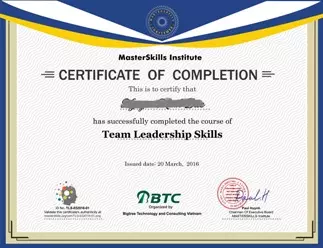
Course Completion Certificate
Participants who meet the attendance and practical requirements receive a Masterskills certificate of program completion.
8. Faculty
Masterskills instructors and experts bring practical management, consulting, and training experience relevant to the program content.

MBA. La Kiến Mỹ
Human resources management and organizational leadership expert specializing in workforce planning, performance, motivation, and succession development.

MBA. Đinh Tiến Dũng
Human resources management and quality systems expert specializing in HR management, ISO, quality systems, and leadership skills.
9. Masterskills Corporate Profile
An overview of Masterskills' training capabilities, areas of expertise, delivery methodology, and experience partnering with organizations.

Client Testimonials
View More Client Testimonials“The Job Standards and Competency Framework Development course offers practical content, workplace-relevant exercises, and clear facilitation. The instructor helps participants use appropriate tools, analyze situations, and develop solutions they can apply after the program.”
10. Selected Clients
Masterskills has delivered a number of corporate training programs with content closely related to this course topic.
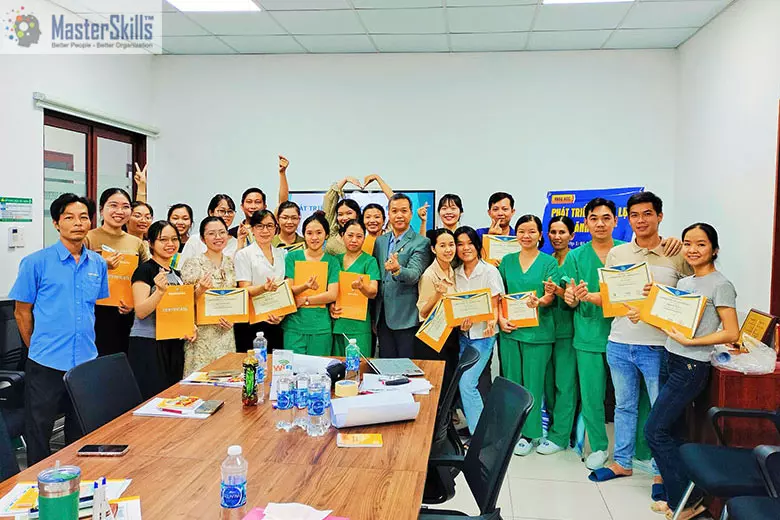 Leadership Skills Development (Class 1)DNS GLOBAL Vietnam - Dong Nai
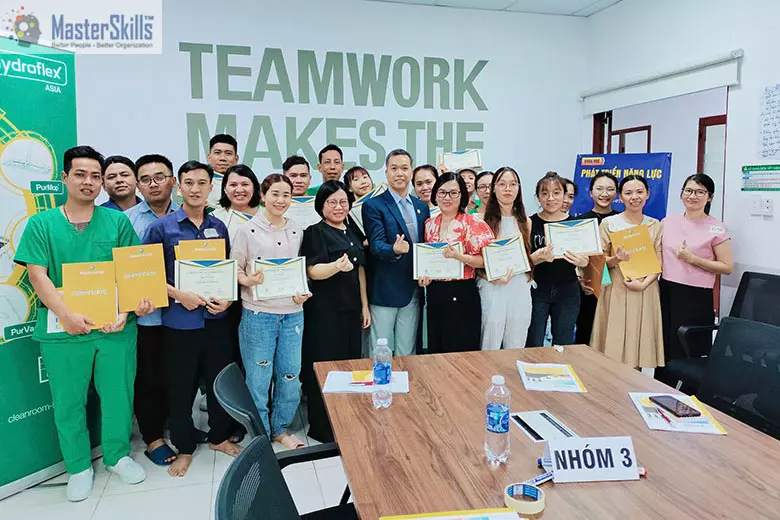 Leadership Skills Development (Class 2)DNS GLOBAL Vietnam - Dong Nai
.webp) Employee Management & Development SkillsAustGrow Vietnam - Dong Nai
Employee Management & Development SkillsAustGrow Vietnam - Dong Nai
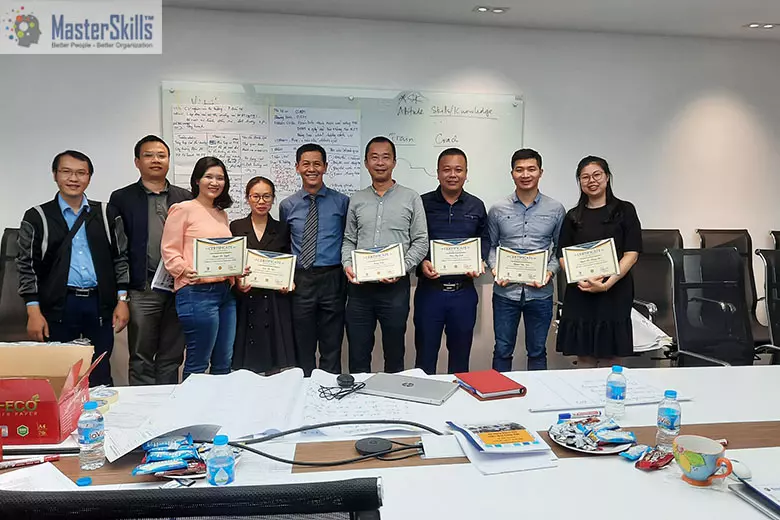 Performance EvaluationXuan Cau Company – Ho Chi Minh City
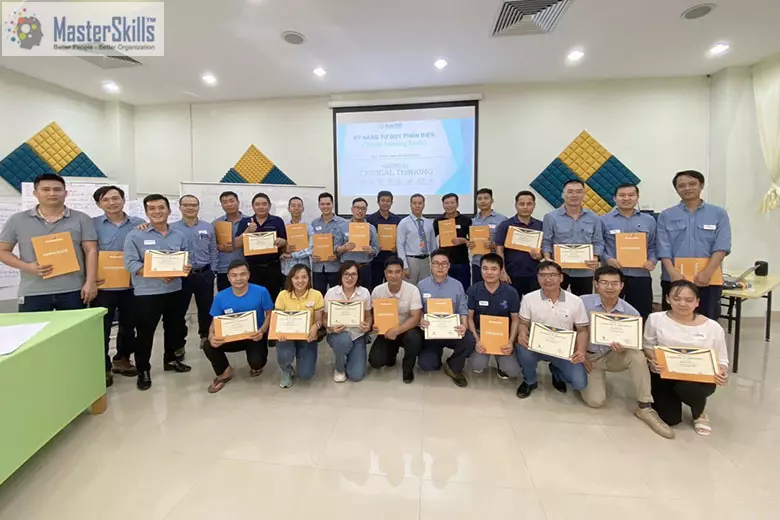 Critical Thinking SkillsAES Mong Duong Power Company - Quang Ninh Province
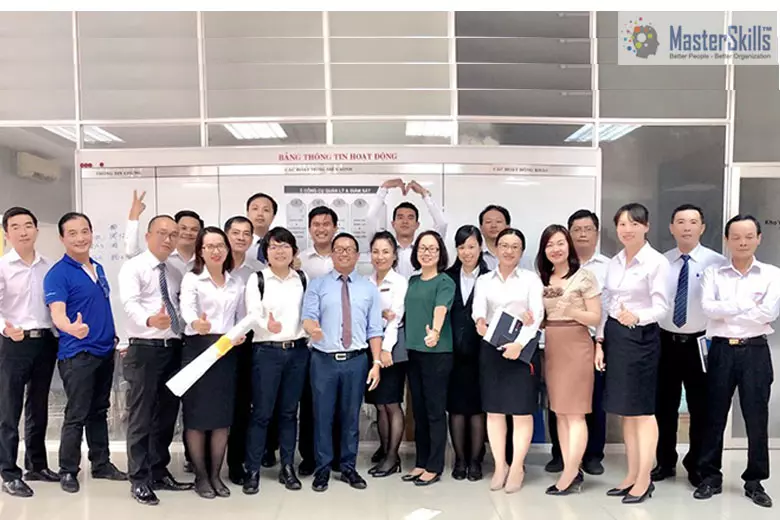 Sales Team Supervision SkillsToyota Ben Thanh – Ho Chi Minh City
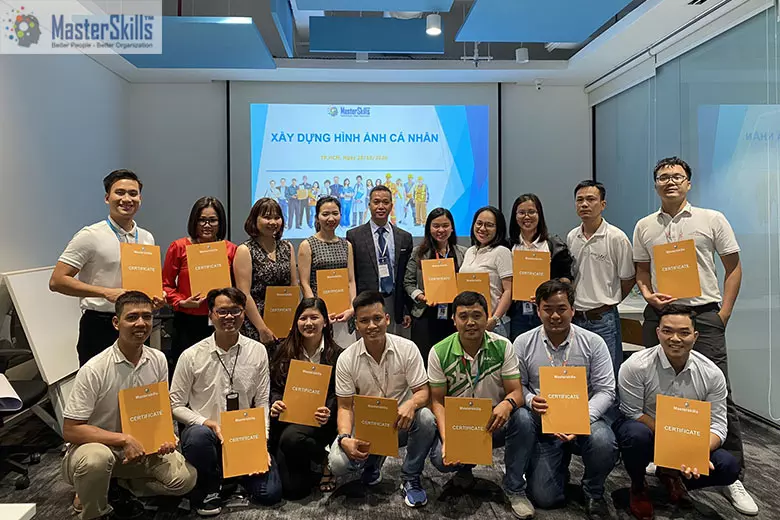 Building a Professional Personal ImageSaint-Gobain Vietnam – Ho Chi Minh City
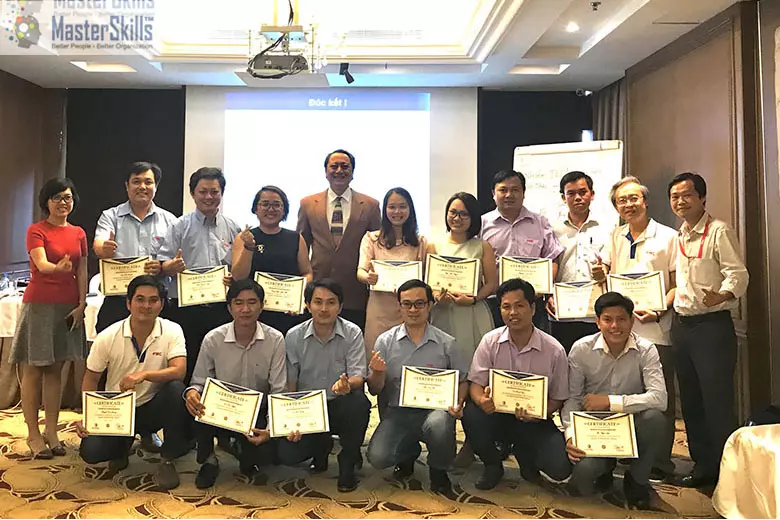 Professional Sales Team SupervisionFMC Vietnam – Ho Chi Minh City
Related Courses

Individual Development PlanningDevelop individual development planning capability through practical scenarios.

Performance EvaluationDevelop performance evaluation capability through practical scenarios.

Building OKR ObjectivesDevelop OKR objective-setting capability through practical scenarios.

Recruitment Interviewing SkillsDevelop recruitment interviewing skills through practical scenarios.

Role and Responsibility AssignmentDevelop role and responsibility assignment capability through practical scenarios.

Building a 3P Compensation SystemDevelop the capability to build a 3P compensation system through practical scenarios.
Ready to strengthen your team's capability to develop job standards and competency frameworks?
Masterskills experts are ready to advise you on a Job Standards and Competency Framework Development program aligned with your organization's objectives.