
Proprietary Course MaterialsStandardized content updated in line with the course objectives.



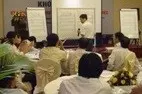

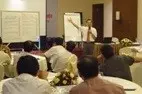
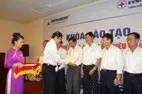

Course
Employee Coaching and Mentoring Skills
Employee Coaching and Mentoring Skills
Develop on-the-job coaching and mentoring capability, enabling managers to move from directing employees to helping them build their own capabilities.
Table of Contents
1. Course Overview
Employees struggle to progress when managers only assign work, correct errors, or provide answers without helping them understand capability gaps and identify their own improvements. Effective coaching and mentoring require clear objectives, appropriate questions, observation-based feedback, and follow-up after the conversation.
The course “Employee Coaching and Mentoring Skills” guides participants in identifying development needs, setting objectives, creating mentoring plans, using coaching questions, providing feedback, and facilitating on-the-job practice.
Through simulations and scenario exercises, participants practice a complete coaching conversation, select the appropriate level of support, and establish follow-up mechanisms that convert learning into behavioral change.
2. Learning Objectives
- Distinguish coaching, mentoring, training, advising, and task assignment in a management role.
- Identify capability gaps and select priority employee development needs.
- Set coaching objectives and plans with clear monitoring criteria.
- Use questions, listening, and feedback to help employees develop self-awareness and take action.
- Conduct on-the-job mentoring and adjust support according to actual progress.
- Evaluate results, reinforce change, and sustain team-development habits.
3. Target Participants
- Middle Managers and Team LeadersThose directly responsible for developing employee capability and performance.
- New ManagersThose transitioning from individual contributor to people leader.
- Learning and Development ProfessionalsThose designing or supporting corporate coaching and mentoring programs.
- Internal Experts and Successor CandidatesThose who regularly guide colleagues or new employees on the job.
4. Course Outline
PART 01Foundations of Coaching and Mentoring
- The concept of employee coaching and mentoring.
- The manager's role in capability development.
- Distinguish coaching, mentoring, training, and instruction.
- A facilitative mindset instead of taking over.
- The benefits of mentoring for team performance.
- Common employee-coaching mistakes.
- Example: a manager assigns work without mentoring.
- Discussion of current mentoring challenges.
PART 02Identifying Employee Development Needs
- Assess current employee capability.
- Identify gaps between requirements and actual performance.
- Analyze strengths, weaknesses, and motivation.
- Identify skill and attitude issues.
- Classify employees by required level of support.
- Use the Skill–Will Matrix.
- Exercise: analyze an employee profile.
- Practice identifying mentoring needs.
PART 03Setting Mentoring Objectives and Plans
- Define specific development objectives.
- Align expectations between the manager and employee.
- Select mentoring content by priority.
- Develop weekly and monthly mentoring plans.
- Define criteria for measuring progress.
- Apply SMART criteria to development objectives.
- Example: a mentoring plan for a new employee.
- Exercise: develop a mentoring roadmap.
PART 04Effective Coaching and Feedback Techniques
- Use open questions to expand awareness.
- Listen actively before offering feedback.
- Provide feedback based on observable behavior.
- Recognize effort and progress at the right time.
- Elicit solutions from the employee.
- Apply the GROW and SBI models.
- Scenario: an employee becomes defensive during feedback.
- Practice a one-to-one coaching conversation.
PART 05On-the-Job Mentoring and Practice Follow-Up
- Guide work through direct observation.
- Demonstrate, explain, and allow the employee to practice.
- Monitor results after each mentoring session.
- Adjust support according to progress.
- Gradually increase autonomy as the employee gains confidence.
- Use on-the-job training methods.
- Example: an employee repeats an operational error.
- Practice mentoring through a workplace scenario.
PART 06Evaluating Progress and Sustaining a Development Culture
- Measure results after the mentoring period.
- Compare capability before and after coaching.
- Review lessons from employee-support methods.
- Maintain continuous feedback habits.
- Develop successors within the team.
- Build a proactive learning culture.
- Develop an employee coaching and mentoring checklist.
- Commit to applying the approach within the participant's team.
5. Training Methodology
Classes are delivered in small, learner-centered groups. Instructors provide concise input, then facilitate discussions, scenario-based practice, feedback, and reflection so participants can translate knowledge into practical workplace behaviors.
Group Discussions
Individual Exercises
Group Presentations
Brainstorming Techniques
Guided Practice with the Instructor
Experiential Projects
In-Class Activities
Role-Playing Activities
Class Presentations
6. Class Information
| Expected Start Date | Schedule | Class Hours | Location | Tuition Fee | Register |
|---|---|---|---|---|---|
| To Be Announced | Saturday – Sunday | 08:30 – 16:30 | Ho Chi Minh City | VND 4,500,000 | Register |
| To Be Announced | Monday – Thursday | 18:00 – 21:30 | Hanoi | VND 4,500,000 | Register |
10% discount for registration at least 15 days in advance, groups of three or more participants, or returning clients.Reserve a Seat
Note: The schedule above is provisional and may be adjusted based on enrollment, class arrangements, and the actual training plan. Masterskills will confirm the official schedule with participants before the course begins.
- Duration: 2 days / 4 sessions; maximum 35 participants per class.
- Ho Chi Minh City: 224 Dien Bien Phu Street, Ban Co Ward, Ho Chi Minh City.
- Hanoi: 51 Le Dai Hanh Street, Hai Ba Trung Ward, Hanoi.
- Corporate in-house training: Delivered at the client's office or factory; pricing depends on the design scope, location, and class size.
- Additional costs: Instructor travel and accommodation costs are determined by the delivery location, where applicable.
7. Learning Materials & Certification
Participants receive proprietary course materials developed by Masterskills, practical handouts, self-assessment forms, and reference materials aligned with real business situations.
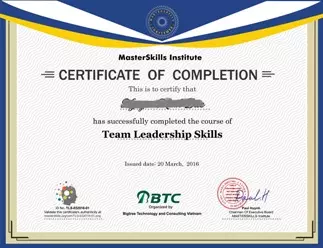
Course Completion Certificate
Participants who meet the attendance and practical requirements receive a Masterskills certificate of program completion.
8. Faculty
Masterskills instructors and experts bring practical management, consulting, and training experience relevant to the program content.

MBA. Vũ Lai Đoan Trang
Human resources development and leadership expert specializing in leadership development, learning and development, customer service, and organizational operations.

MBA. Paul Huỳnh
Leadership and capability development expert specializing in management skills, critical thinking, execution leadership, and coaching.
9. Masterskills Corporate Profile
An overview of Masterskills' training capabilities, areas of expertise, delivery methodology, and experience partnering with organizations.
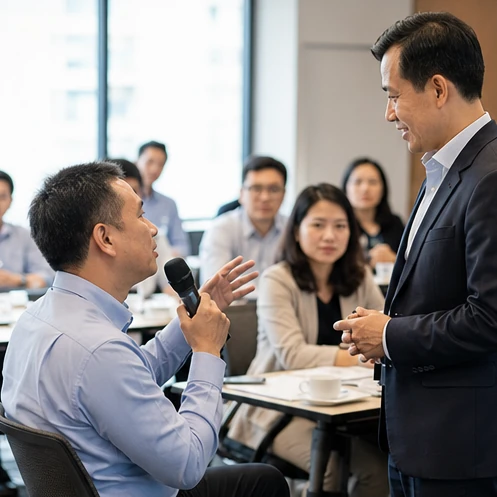
Client Testimonials
View More Client Testimonials“The Employee Coaching and Mentoring Skills course offers practical content, workplace-relevant exercises, and clear facilitation. The instructor helps participants use appropriate tools, analyze situations, and develop solutions they can apply after the program.”
10. Selected Clients
Masterskills has delivered a number of corporate training programs with content closely related to this course topic.
.webp) Employee Management & Development SkillsAustGrow Vietnam - Dong Nai
Employee Management & Development SkillsAustGrow Vietnam - Dong Nai
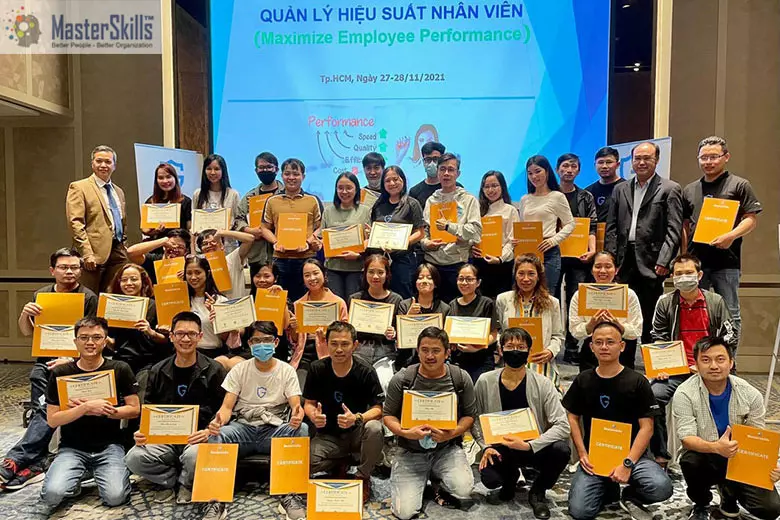 Employee Performance ManagementG-Comply Vietnam – Ho Chi Minh City
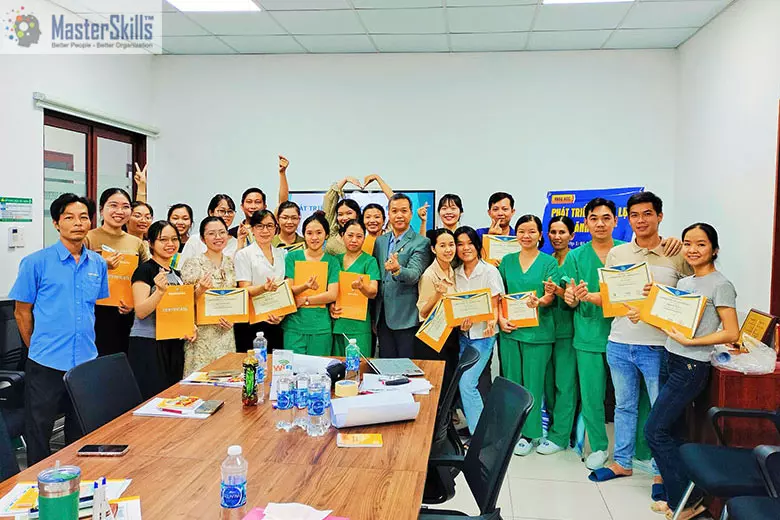 Leadership Skills Development (Class 1)DNS GLOBAL Vietnam - Dong Nai
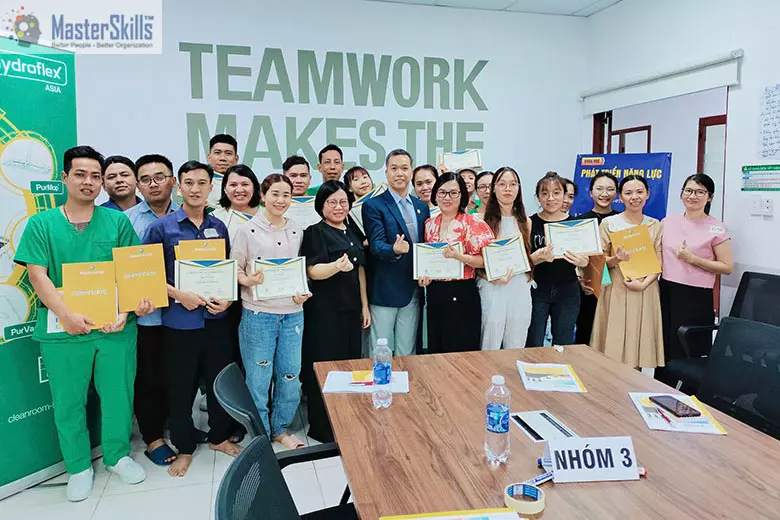 Leadership Skills Development (Class 2)DNS GLOBAL Vietnam - Dong Nai
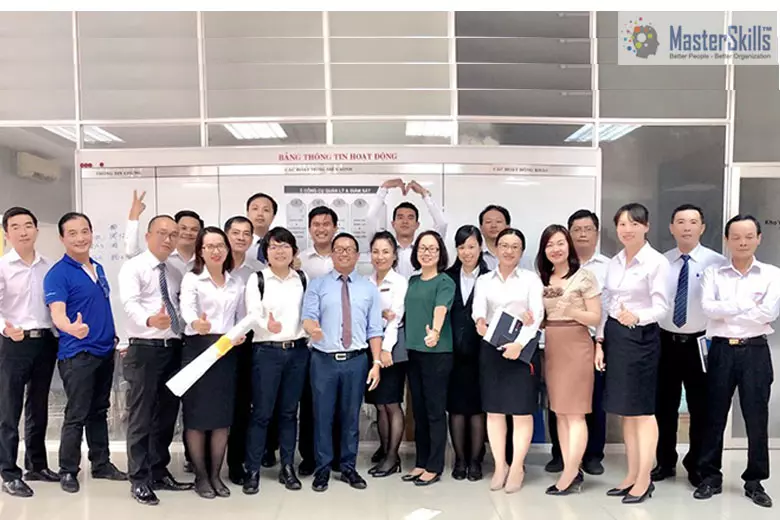 Sales Team Supervision SkillsToyota Ben Thanh – Ho Chi Minh City
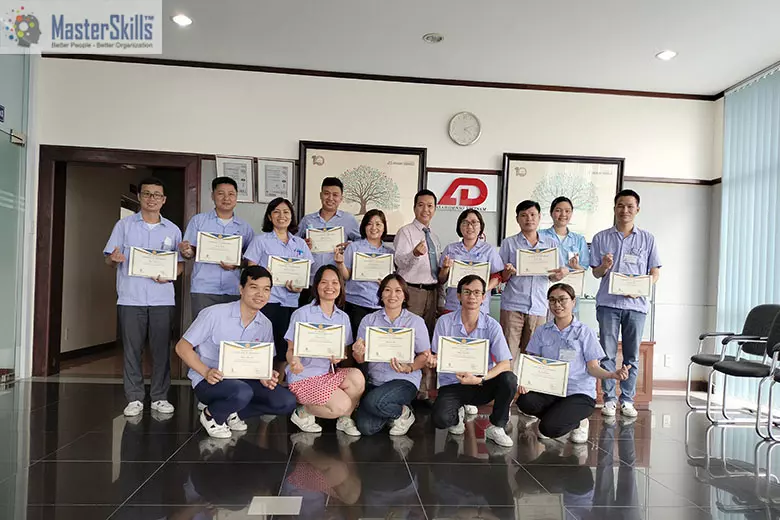 Middle Management SkillsAsahi Denso Vietnam – Ho Chi Minh City
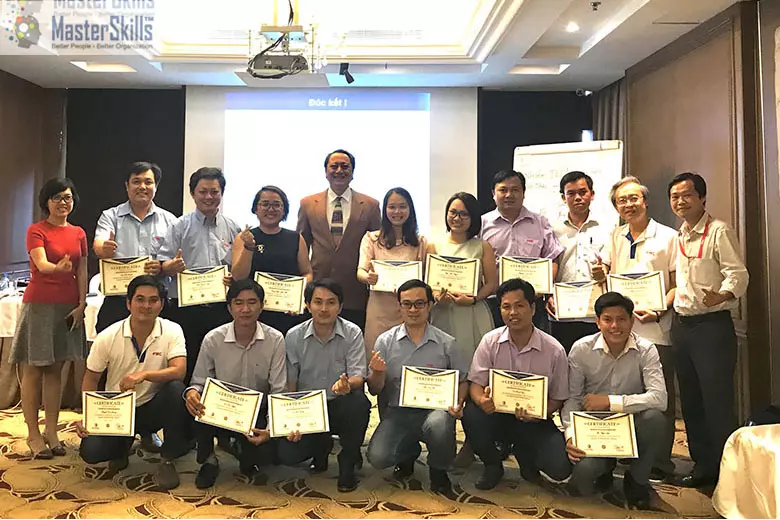 Professional Sales Team SupervisionFMC Vietnam – Ho Chi Minh City
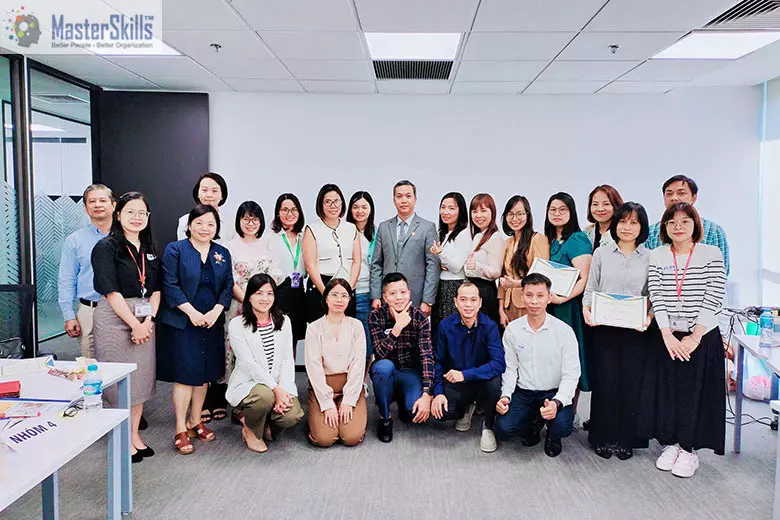 Conflict Resolution Skills (Class 1)Honda Trading Vietnam – Ho Chi Minh City
Related Courses

Individual Development PlanningDevelop individual development planning capability through practical scenarios.

Recruitment Interviewing SkillsDevelop recruitment interviewing skills through practical scenarios.

Role and Responsibility AssignmentDevelop role and responsibility assignment capability through practical scenarios.

Building a 3P Compensation SystemDevelop the capability to build a 3P compensation system through practical scenarios.

Effective Human Resources ManagementDevelop effective human resources management capability through practical scenarios.

Building a KPI SystemDevelop KPI system development capability through practical scenarios.
Ready to strengthen your team's employee coaching and mentoring skills?
Masterskills experts are ready to advise you on an Employee Coaching and Mentoring Skills program aligned with your organization's objectives.