
Copyrighted The MaterialsStandardized content updated according to course objectives.



Course
Becoming an Effective Manager
Becoming an Effective Manager
Systematize the core capabilities managers need to plan, delegate, monitor performance, develop employees and lead teams effectively.
Table of Contents
1. The Introduction
Moving from a specialist role to a management role requires a different way of working: taking responsibility for team results, allocating work and helping others complete their tasks. If managers continue doing everything themselves or solving every issue for employees, it is difficult to build collective capability.
The course provides a practical competency framework for managers, including role clarity, planning, work organization, delegation, follow-up, feedback and employee development. It helps learners build a consistent management method and identify behaviors to adjust when moving from execution to leadership.
The “Becoming an Effective Manager” program is suitable for new managers, team leaders and supervisors who need a solid management foundation.
2. Training Objectives
- Define the role, responsibilities and priorities of a manager.
- Plan, organize and allocate work according to department objectives.
- Delegate, empower and follow up without micromanaging.
- Provide performance feedback, recognition and handle result gaps.
- Coach and develop employees while improving personal management style.
3. Target Participants
- Newly appointed managersNeed to build a management foundation from the beginning.
- Team leadersAre moving from individual contribution to team leadership.
- Supervisors and frontline managersDirectly delegate, monitor and support employees.
- Middle managersWant to systematize methods and improve team effectiveness.
4. The Content
Six content sections focus on the managerial role, planning, delegation, performance management, employee development and self-leadership.
PART 01 Overview of the Effective Manager Role
- Concepts of an effective manager in business.
- Differences between strong specialists and effective managers.
- Creating results through the team.
- Core capabilities of management levels.
- Linking objectives, people and processes.
- Models for transitioning into management.
- Case: promoted but not yet trusted by the team.
- Self-assessment of management capability.
PART 02 Planning and Organizing Work
- Turn objectives into action plans.
- Set priorities according to result impact.
- Allocate resources appropriately for each task.
- Set timelines, checkpoints and outputs.
- Forecast risks affecting the plan.
- Weekly work management tools.
- Example of planning for department goals.
- Practice building a team work plan.
PART 03 Delegation, Empowerment and Follow-Up
- Delegate with clear objectives, standards and deadlines.
- Choose the right person based on capability and motivation.
- Empower according to maturity level.
- Follow up on progress without micromanaging.
- Remind and support when barriers arise.
- Delegate using the SMART model.
- Case: an employee accepts a task but does it incorrectly.
- Role-play practice: effective delegation.
PART 04 Performance Management and Employee Feedback
- Set clear performance expectations.
- Track results using real data.
- Give timely feedback on specific behaviors.
- Recognize achievements and effort at the right time.
- Handle employees who do not meet expectations.
- Apply SBI in performance feedback.
- Case: an employee becomes defensive when receiving feedback.
- Practice situational performance feedback.
PART 05 Employee Development and Team Building
- Identify strengths and development areas.
- Coach employees through real work.
- Create motivation with meaningful goals.
- Build trust within the team.
- Handle conflict constructively.
- Prepare employee capability development plans.
- Case: a strong employee lacks collaboration.
- Practice building a team development plan.
PART 06 Self-Leadership and Management Improvement
- Model discipline and responsibility.
- Manage personal time, energy and priorities.
- Make decisions based on data and objectives.
- Learn from team feedback.
- Improve daily management processes.
- Build a consistent management style.
- Case: a manager is overloaded from doing too much personally.
- Practice preparing a management development plan.
5. Training Methodology
The class is organized in small groups with a learner-centered approach. The facilitator delivers concise inputs, then leads discussion, scenario practice, feedback and debriefing so learners can convert knowledge into applicable workplace behaviors.
Group Discussion
Individual Exercises
Group Presentation
Brainstorming Techniques
Facilitator-Guided Practice
Experiential Project
In-Class Activities
Role-Play Activities
Classroom Presentation
6. Class Information
| Expected Start Date | Schedule | Time | Location | Tuition Fee | Register |
|---|---|---|---|---|---|
| To be updated | Saturday – Sunday | 08:30 – 16:30 | Ho Chi Minh City | 4,500,000 VND | Register |
| To be updated | Monday – Thursday | 18:00 – 21:30 | Hanoi | 4,500,000 VND | Register |
10% discount for registration at least 15 days in advance, groups of three or more learners, or loyal clients.Reserve a Seat
Note: The schedule above is tentative and may be adjusted depending on registration numbers, class organization conditions and the actual training plan. Masterskills will confirm the official schedule with learners before the start date.
- Duration: 2 days / 4 sessions; maximum 35 learners per class.
- Ho Chi Minh City: 224 Dien Bien Phu Street, Ban Co Ward, Ho Chi Minh City.
- Hanoi: 51 Le Dai Hanh Street, Hai Ba Trung Ward, Hanoi.
- In-house corporate training: Delivered at the client’s office or factory; quotation depends on design scope, location and class size.
- Additional costs: Trainer travel and accommodation costs are determined according to the delivery location, if applicable.
7. Learning Materials & Certification
Learners receive copyrighted course materials developed by Masterskills, practice handouts, self-assessment forms and reference materials closely aligned with business situations.
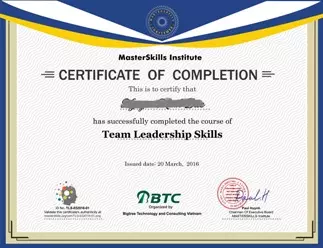
Certificate of Completion
Learners who meet attendance and practice requirements receive a Masterskills certificate of completion.
8. Faculty Team
Masterskills faculty and experts have practical experience in management, consulting and training in fields aligned with the program content.

MBA. Paul Huỳnh
Leadership and capability development expert. Management skills, critical thinking, execution leadership and coaching.
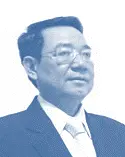
MBA. La Kien My
Human resource management and organizational leadership expert. Workforce planning, performance, motivation and succession team development.
9. Masterskills Profile
Masterskills’ training capabilities, areas of expertise, delivery methodology and experience partnering with enterprises.
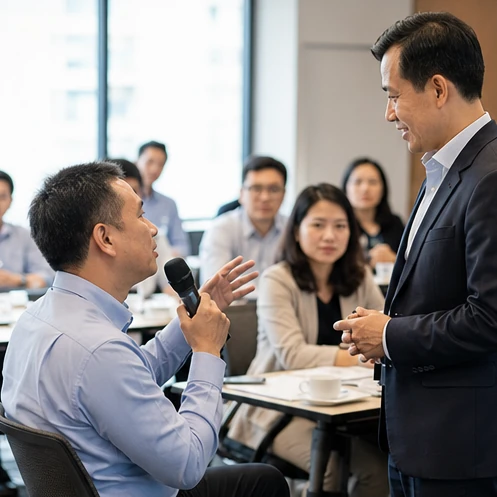
Client Testimonials
View More Client Testimonials“The Becoming an Effective Manager course provides practical content, workplace-relevant activities and clear facilitation. The facilitator helps learners use appropriate tools, analyze situations and develop concrete application plans after the course.”
10. Representative Clients
Selected practical training programs with content related to this course topic have been delivered by Masterskills for corporate clients.
.webp) Management and Employee Development SkillsCompany AustGrow VietNam - Dong Nai
Management and Employee Development SkillsCompany AustGrow VietNam - Dong Nai
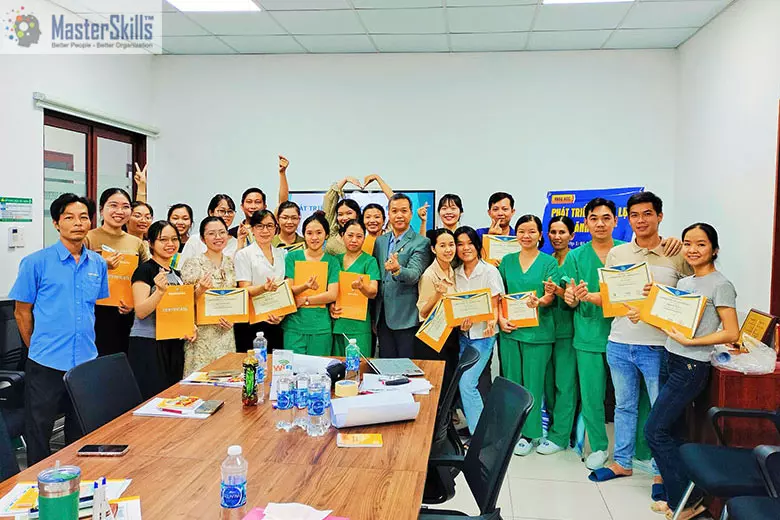 Leadership Skills Development (Class 1)Company Ltd. DNS GLOBAL Vietnam - Dong Nai
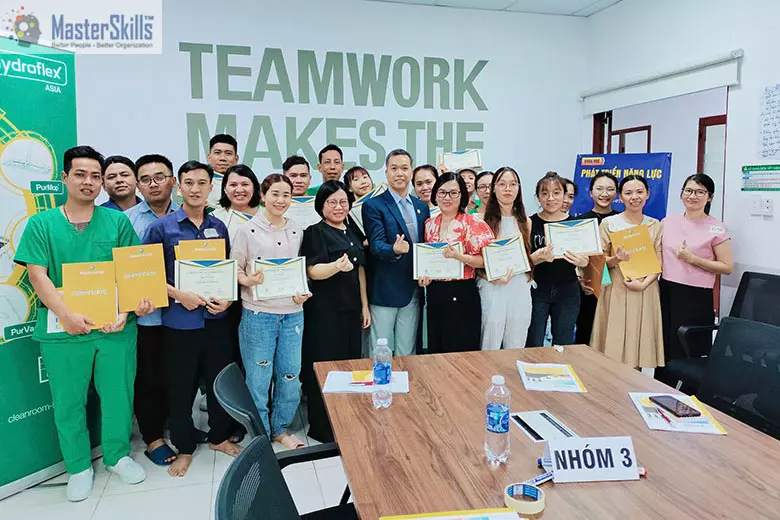 Leadership Skills Development (Class 2)Company Ltd. DNS GLOBAL Vietnam - Dong Nai
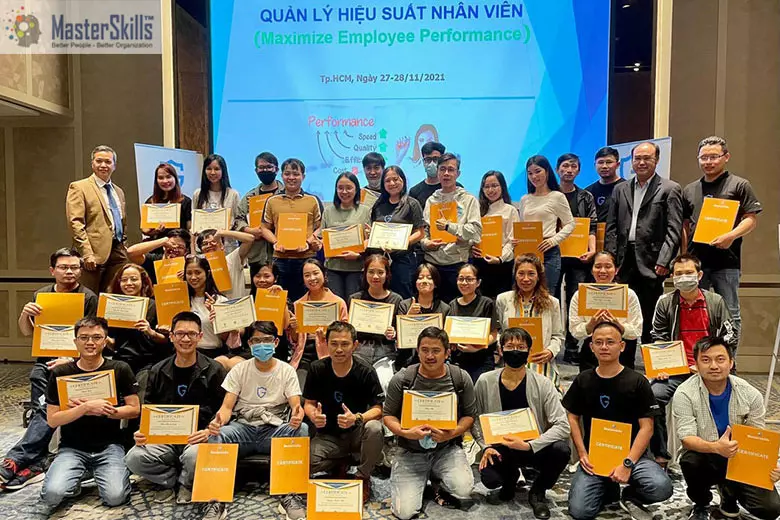 Employee Performance ManagementCompany Ltd. G-Comply VietNam – Ho Chi Minh City
.webp) Communication Skills for Production TeamsDopla Asia Company - Vung Tau
Communication Skills for Production TeamsDopla Asia Company - Vung Tau
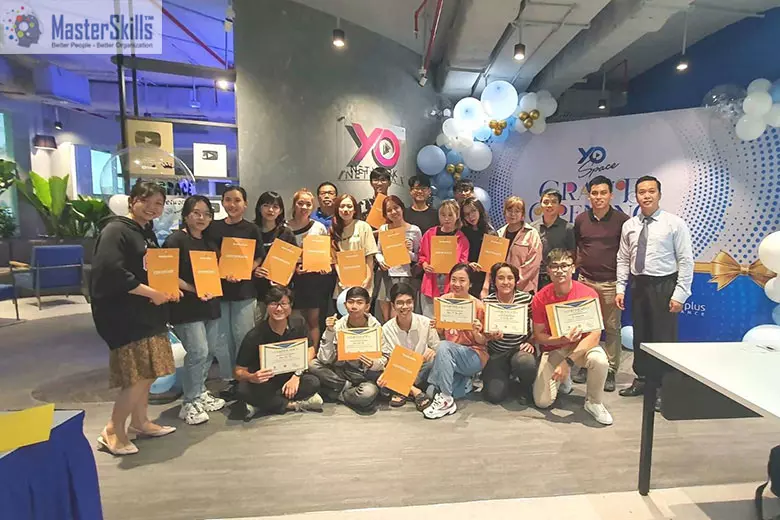 Communication and Emotional Control SkillsJoint Stock Company Tuoi Tre Telecom – Ho Chi Minh City
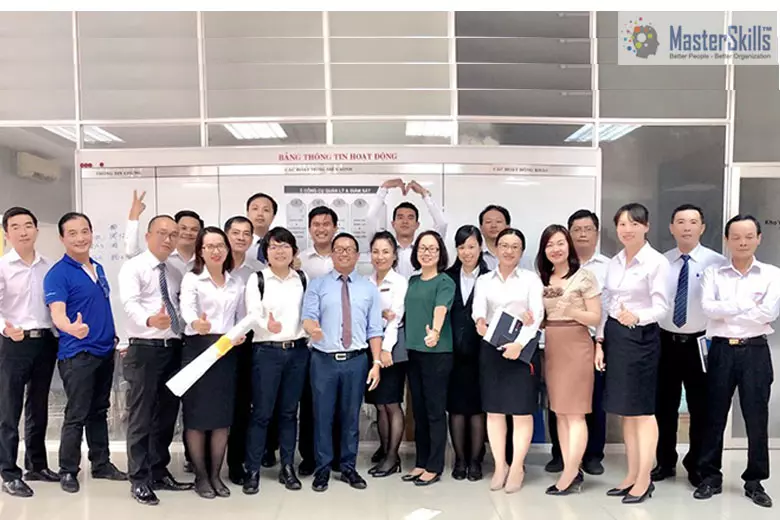 Sales Staff Supervision SkillsToyota Ben Thanh Company – Ho Chi Minh City
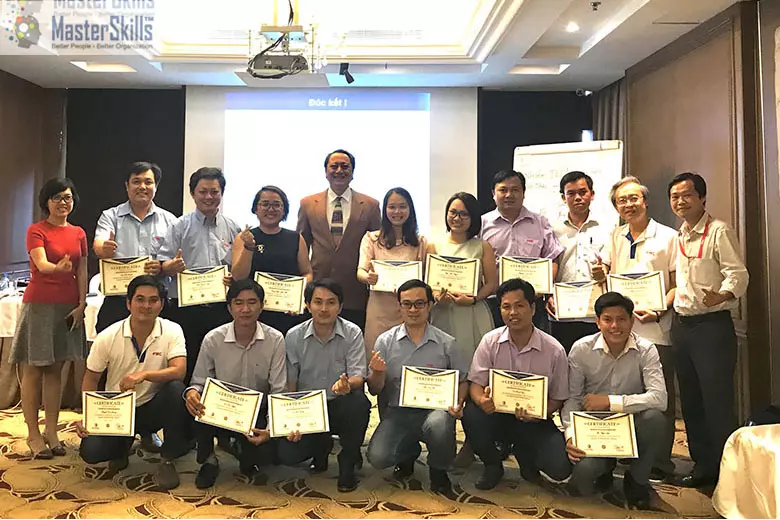 Professional Sales Staff SupervisionCompany FMC VietNam – Ho Chi Minh City
Related Courses

Unlocking and Developing Leadership CapabilityPractice practical tools and improve workplace effectiveness.

Feedback and Performance Management CapabilityPractice practical tools and improve workplace effectiveness.

Developing and Executing Strategic PlansPractice practical tools and improve workplace effectiveness.

Work Performance OptimizationDevelop work performance optimization capability through real workplace scenarios.

Positive Feedback SkillsDevelop positive feedback skills through real workplace scenarios.

Leading Multicultural TeamsDevelop practical capabilities through real workplace scenarios.
Ready to develop Becoming an Effective Manager capability for your team?
Masterskills experts are ready to advise on a Becoming an Effective Manager program aligned with your business objectives.