
Copyrighted Course MaterialsStandardized content updated to match the course objectives.


Course
Positive Feedback Skills
Positive Feedback Skills
This program helps participants observe behavior accurately, provide clear feedback, recognize contributions appropriately and give input that supports improvement.
Table of Contents
1. Course Introduction
Positive Feedback Skills is designed for organizations that need a practical and consistent approach to positive and constructive feedback. The course links business context, people capability and daily work practices so participants can apply what they learn immediately.
The program focuses on foundations of a positive feedback mindset, observing behavior and collecting facts and appropriate recognition and praise, then guides participants through practice, discussion and application planning.
Through case studies, group discussion, role play and facilitated exercises, participants develop a shared language, practical tools and concrete actions for improving performance after the program.
2. Learning Objectives
- Understand the role, principles and business relevance of positive and constructive feedback.
- Apply structured tools and methods related to observing behavior and collecting facts.
- Practice communication, analysis and decision-making techniques in realistic workplace situations.
- Identify common challenges, risks and mistakes when applying positive and constructive feedback at work.
- Build practical solutions and action plans for individual, team and organizational application.
- Measure learning outcomes and sustain improvement after the training program.
3. Target Participants
- Employees and specialistsNeed to communicate, collaborate and handle workplace situations professionally.
- Team leaders and supervisorsNeed tools to build positive interaction, feedback and team climate.
- Department managersResponsible for strengthening team culture and cross-functional cooperation.
- HR and internal trainersSupport workplace behavior, culture and communication development.
4. Course Content
MODULE 01 Foundations of a Positive Feedback Mindset
- Key concepts and business relevance of foundations of a positive feedback mindset.
- Common challenges, risks and mistakes in real workplace application.
- Practical frameworks, checklists and tools for implementation.
- How to analyze the current situation and identify improvement priorities.
- Techniques for communication, facilitation and stakeholder alignment.
- Case discussion based on realistic corporate scenarios.
- Individual or group exercise to apply the module tools.
- Application points for transferring foundations of a positive feedback mindset into daily work.
MODULE 02 Observing Behavior and Collecting Facts
- Key concepts and business relevance of observing behavior and collecting facts.
- Common challenges, risks and mistakes in real workplace application.
- Practical frameworks, checklists and tools for implementation.
- How to analyze the current situation and identify improvement priorities.
- Techniques for communication, facilitation and stakeholder alignment.
- Case discussion based on realistic corporate scenarios.
- Individual or group exercise to apply the module tools.
- Application points for transferring observing behavior and collecting facts into daily work.
MODULE 03 Appropriate Recognition and Praise
- Key concepts and business relevance of appropriate recognition and praise.
- Common challenges, risks and mistakes in real workplace application.
- Practical frameworks, checklists and tools for implementation.
- How to analyze the current situation and identify improvement priorities.
- Techniques for communication, facilitation and stakeholder alignment.
- Case discussion based on realistic corporate scenarios.
- Individual or group exercise to apply the module tools.
- Application points for transferring appropriate recognition and praise into daily work.
MODULE 04 Constructive Input When Improvement Is Needed
- Key concepts and business relevance of constructive input when improvement is needed.
- Common challenges, risks and mistakes in real workplace application.
- Practical frameworks, checklists and tools for implementation.
- How to analyze the current situation and identify improvement priorities.
- Techniques for communication, facilitation and stakeholder alignment.
- Case discussion based on realistic corporate scenarios.
- Individual or group exercise to apply the module tools.
- Application points for transferring constructive input when improvement is needed into daily work.
MODULE 05 Receiving Feedback Without Defensiveness
- Key concepts and business relevance of receiving feedback without defensiveness.
- Common challenges, risks and mistakes in real workplace application.
- Practical frameworks, checklists and tools for implementation.
- How to analyze the current situation and identify improvement priorities.
- Techniques for communication, facilitation and stakeholder alignment.
- Case discussion based on realistic corporate scenarios.
- Individual or group exercise to apply the module tools.
- Application points for transferring receiving feedback without defensiveness into daily work.
MODULE 06 Building a Positive Feedback Culture
- Key concepts and business relevance of building a positive feedback culture.
- Common challenges, risks and mistakes in real workplace application.
- Practical frameworks, checklists and tools for implementation.
- How to analyze the current situation and identify improvement priorities.
- Techniques for communication, facilitation and stakeholder alignment.
- Case discussion based on realistic corporate scenarios.
- Individual or group exercise to apply the module tools.
- Final action plan for applying the course after training.
5. Training Methodology
Classes are organized in small groups with a learner-centered approach. The facilitator provides concise input, then leads discussion, situational practice, feedback and lesson consolidation so participants can turn knowledge into applied behavior.
Group Discussion
Individual Exercises
Group Presentation
Brainstorming Techniques
Practice with the Facilitator
Experiential Project
In-Class Activities
Role-Play Activities
Class Presentation
6. Class Information
| Expected Opening Date | Schedule | Class Time | Location | Tuition Fee | Register |
|---|---|---|---|---|---|
| Updating | Saturday – Sunday | 08:30 – 16:30 | Ho Chi Minh City | 4.500.000 VND | Register |
| Updating | Monday – Thursday | 18:00 – 21:30 | Ha Noi | 4.500.000 VND | Register |
Uu dai 10%: register before 15 ngay, nhom from 3 participants or customers than thiet.Reserve a Seat
Note: The opening schedule above is tentative and may be adjusted depending on registration numbers, class delivery conditions and the actual training plan. Masterskills will confirm the official schedule with participants before the opening date.
- Duration: 2 days / 4 sessions; maximum 35 participants per class.
- Ho Chi Minh City: 224 Dien Bien Phu Street, Ban Co Ward, Ho Chi Minh City.
- Ha Noi: 51 Le Dai Hanh Street, Hai Ba Trung Ward, Ha Noi.
- Corporate In-House Training: Delivered at the company office or factory; quotation is based on design scope, location and class size.
- Additional Expenses: Facilitator travel and accommodation expenses are determined based on the delivery location, if applicable.
7. Learning Materials & Certification
Participants receive copyrighted course materials developed by Masterskills, practical handouts, self-assessment forms and reference materials aligned with business situations.
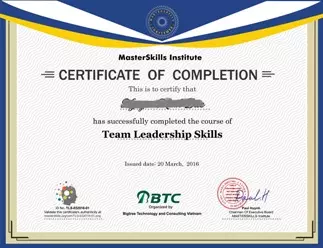
Course Completion Certificate
Participants who meet attendance and practice requirements will receive a Masterskills certificate of program completion.
8. Training Faculty
Masterskills facilitators and experts have practical management, consulting and training experience in fields aligned with the program content.

MBA. Paul Huỳnh
Leadership and capability development expert. Specialized in management skills, critical thinking, execution leadership and coaching.

TS. Thái Trí Dũng
Human resources management and behavioral psychology expert. Specialized in leadership, management psychology, negotiation, culture and organizational behavior.
9. Masterskills Capability Profile
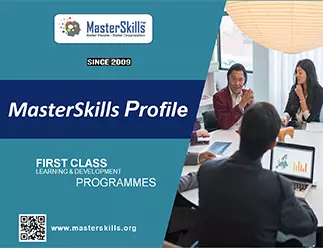
Masterskills training capabilities, areas of expertise, delivery methodology and experience partnering with organizations.
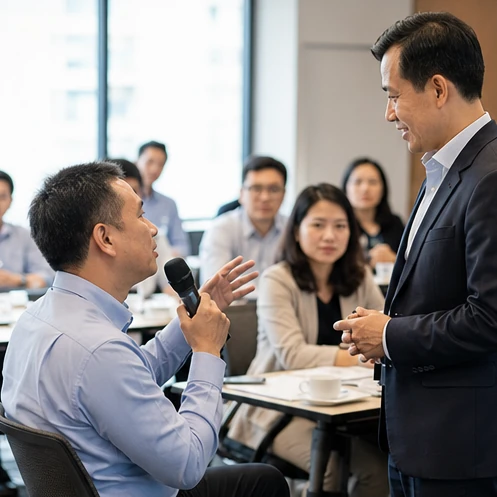
Client Testimonials
View More Client Testimonials“The Positive Feedback Skills course provides practical content, workplace-relevant practice activities and clear facilitation. The facilitator helps participants use appropriate tools, analyze cases and develop action plans that can be applied at work after the program.”
10. Representative Clients
Selected practical training programs with content related to this course topic that Masterskills has delivered for organizations.
.webp) Employee Management and Development SkillsCompany AustGrow VietNam - Dong Nai
Employee Management and Development SkillsCompany AustGrow VietNam - Dong Nai
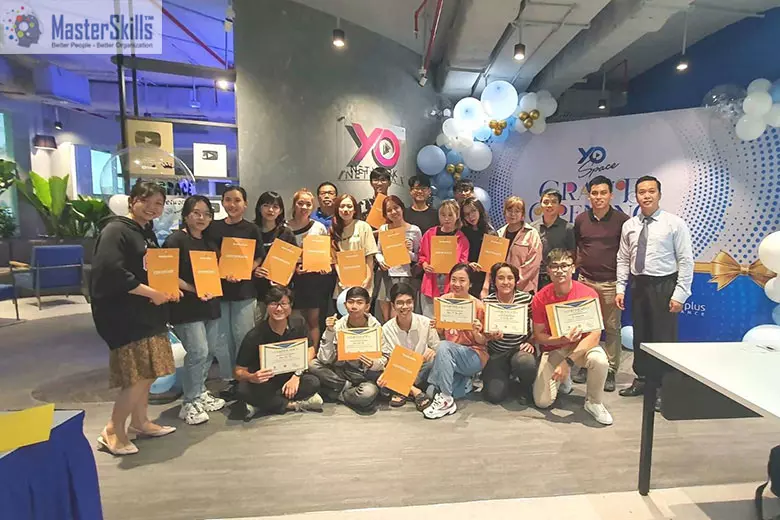 Communication and Emotional Control SkillsCo Phan Vien Thong Tuoi Tre – HCMC
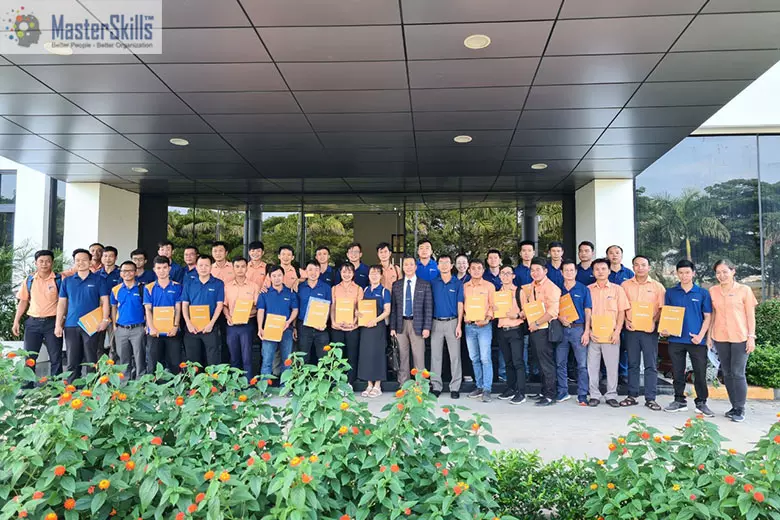 Tu Duy Tich CucCompany Behn Meyer Agricare VietNam – HCMC
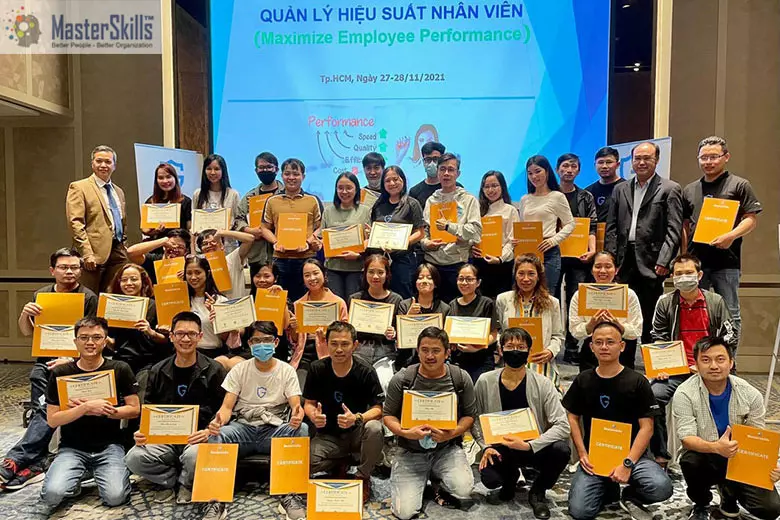 Employee Performance ManagementCo., Ltd. G-Comply VietNam – HCMC
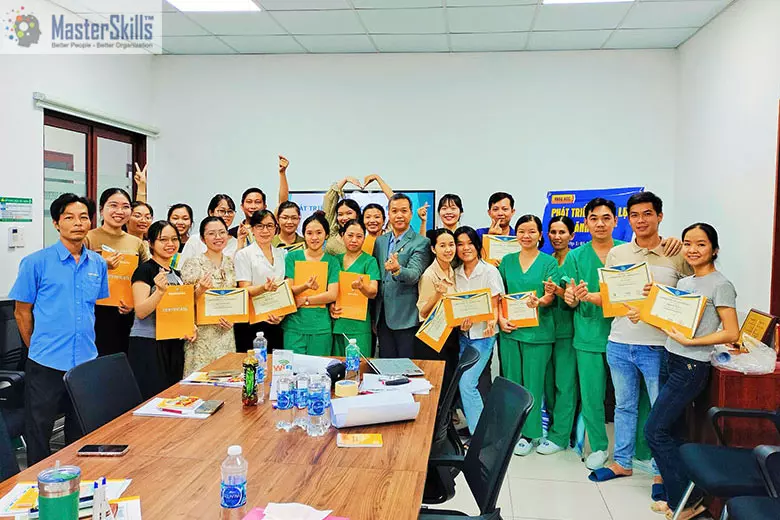 Leadership Skills Development (Class 1)Co., Ltd. DNS GLOBAL Vietnam - Dong Nai
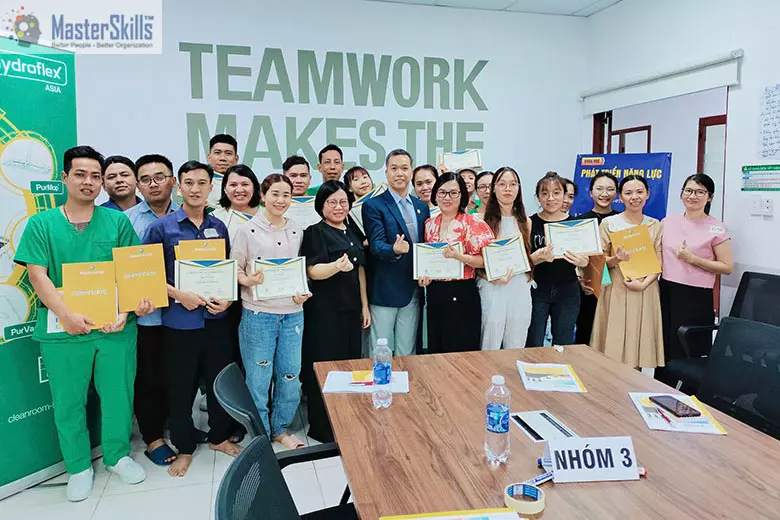 Leadership Skills Development (Class 2)Co., Ltd. DNS GLOBAL Vietnam - Dong Nai
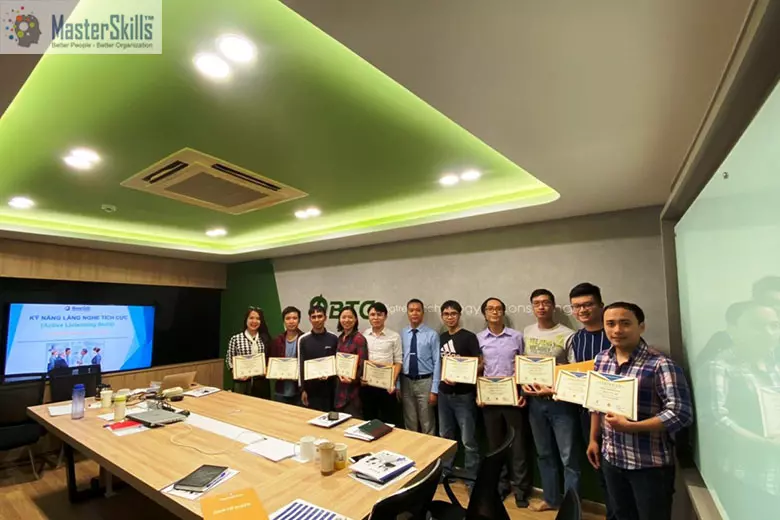 Skills Lang Nghe Tich CucCompany BigTree Technology & Consulting - HCMC
.webp) Communication Skills for Production TeamsCompany Dopla Chau A - Vung Tau
Communication Skills for Production TeamsCompany Dopla Chau A - Vung Tau
Related Courses
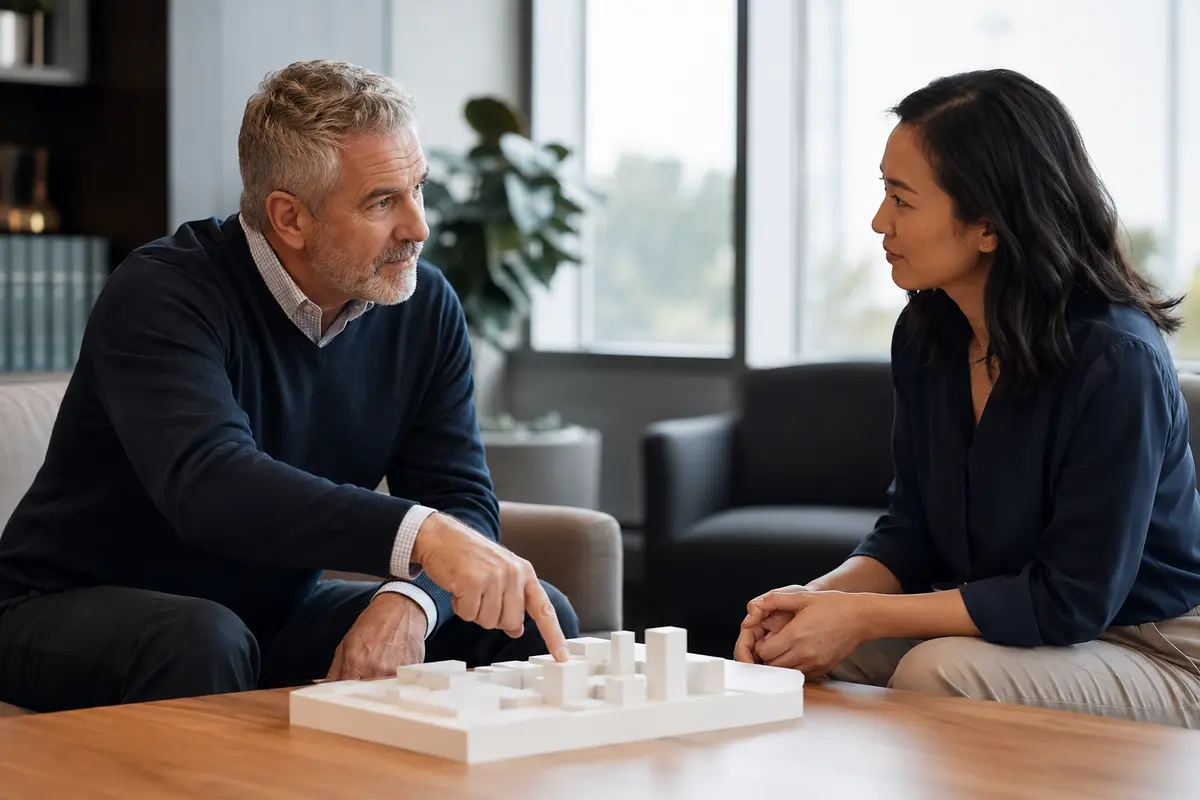
Feedback Capability and Performance ManagementPractice practical tools and improve work effectiveness.

Developing and Executing Strategic PlansPractice practical tools and improve work effectiveness.
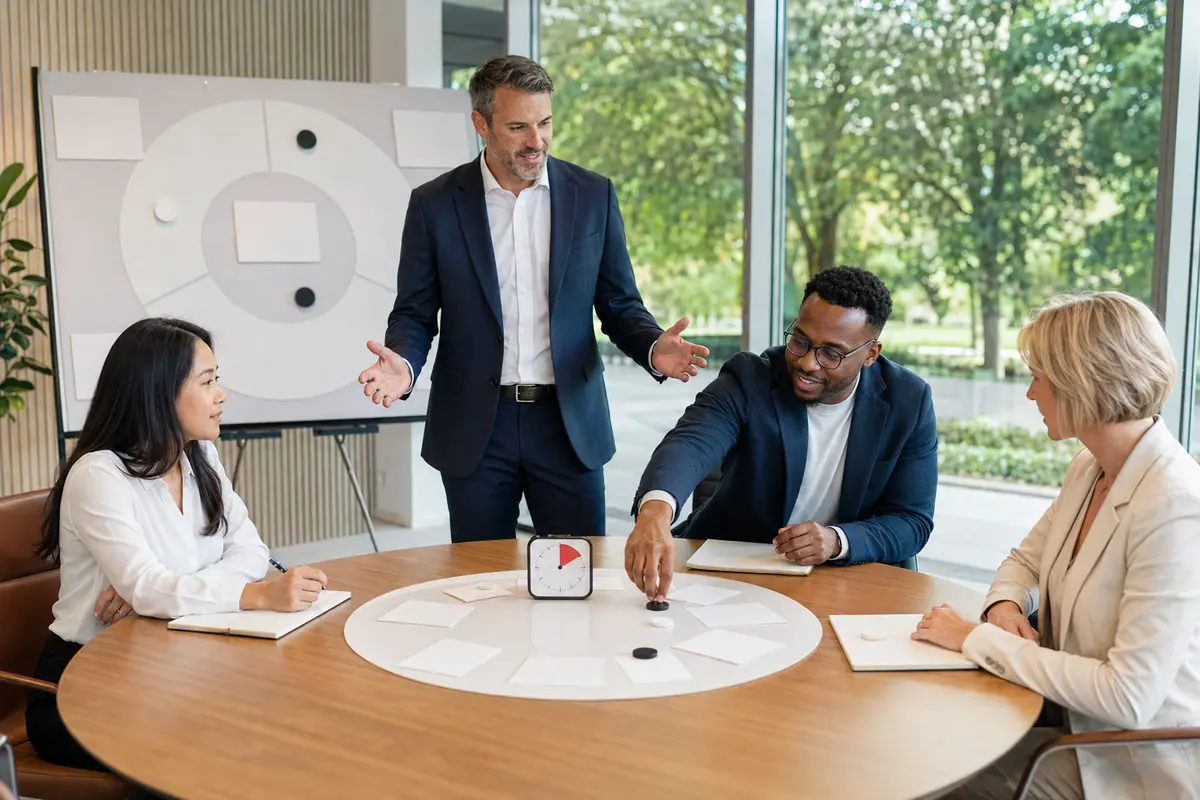
Becoming an Expert Meeting FacilitatorPractice practical tools and improve work effectiveness.

Positive and Creative Thinking SkillsPractice practical tools and improve work effectiveness.

Building a Positive Work EnvironmentPractice practical tools and improve work effectiveness.

Unlocking and Developing Leadership CapabilityPractice practical tools and improve work effectiveness.
Ready to strengthen positive and constructive feedback capability for your team?
Masterskills experts are ready to advise on a Positive Feedback Skills program tailored to your organization’s goals and business context.