
Giáo trình bản quyềnNội dung chuẩn hóa, cập nhật theo mục tiêu khóa học.





Khóa học
Phân Tích Dự Báo Thị Trường Và Lập Kế Hoạch
Forecast Analysis and Business Planning
Giúp học viên phân tích tín hiệu thị trường, xây dựng kịch bản dự báo và chuyển kết quả phân tích thành kế hoạch kinh doanh có thể triển khai.
1. Giới thiệu khóa học
Kế hoạch kinh doanh dễ mất tính khả thi khi được xây dựng từ giả định cảm tính, dữ liệu thiếu chọn lọc hoặc mục tiêu không phản ánh biến động của thị trường. Doanh nghiệp cần một quy trình kết nối dữ liệu, dự báo, lựa chọn ưu tiên và phân bổ nguồn lực.
Khóa học “Phân Tích Dự Báo Thị Trường Và Lập Kế Hoạch” hướng dẫn học viên thu thập và đọc dữ liệu, sử dụng các mô hình phân tích, xây dựng kịch bản nhu cầu và chuyển dự báo thành mục tiêu, chỉ tiêu, ngân sách và kế hoạch hành động.
Thông qua bài tập phân tích thị trường và lập kế hoạch một trang, học viên thực hành kiểm tra giả định, phối hợp mục tiêu giữa các bộ phận và thiết lập cơ chế theo dõi để cập nhật kế hoạch khi bối cảnh thay đổi.
2. Mục tiêu đào tạo
- Xác định mục tiêu phân tích và lựa chọn nguồn dữ liệu thị trường phù hợp.
- Sử dụng các mô hình để nhận diện xu hướng, cơ hội, rủi ro và áp lực cạnh tranh.
- Xây dựng giả định và kịch bản dự báo ngắn hạn, trung hạn dựa trên dữ liệu sẵn có.
- Chuyển kết quả dự báo thành mục tiêu, chỉ tiêu và ưu tiên hành động.
- Lập kế hoạch kinh doanh với mốc triển khai, nguồn lực, ngân sách và trách nhiệm rõ ràng.
- Theo dõi sai lệch giữa dự báo và thực tế để điều chỉnh kế hoạch kịp thời.
3. Đối tượng học viên
- Lãnh đạo và quản lý doanh nghiệpCần sử dụng dự báo để lựa chọn ưu tiên và phân bổ nguồn lực.
- Giám đốc chức năng và trưởng bộ phậnPhụ trách lập kế hoạch hoạt động hằng năm cho đơn vị.
- Nhân sự kinh doanh, marketing và phát triển thị trườngThu thập dữ liệu, dự báo nhu cầu và xây dựng kế hoạch doanh thu.
- Chuyên viên kế hoạch, tài chính và phân tíchHỗ trợ xây dựng kịch bản và theo dõi kết quả thực hiện kế hoạch.
4. Nội dung khóa học
PHẦN 01Tư Duy Thị Trường Và Vai Trò Kế Hoạch
- Bản chất thị trường trong môi trường cạnh tranh.
- Vai trò dự báo với quyết định kinh doanh.
- Mối liên hệ giữa dữ liệu và kế hoạch.
- Các cấp độ kế hoạch trong doanh nghiệp.
- Tư duy hệ thống khi phân tích biến động.
- Sai lệch thường gặp khi nhận định thị trường.
- Tình huống: Kế hoạch sai do dự báo cảm tính.
- Thực hành: Xác định yếu tố chi phối nhu cầu.
PHẦN 02Thu Thập Dữ Liệu Và Đọc Tín Hiệu Thị Trường
- Nguồn dữ liệu sơ cấp và thứ cấp.
- Cách chọn dữ liệu phù hợp mục tiêu.
- Kỹ thuật phân loại dữ liệu thị trường.
- Phương pháp phát hiện tín hiệu tăng trưởng.
- Dấu hiệu cảnh báo suy giảm sức mua.
- Ví dụ: Đọc báo cáo ngành và đối thủ.
- Bài tập: Lọc dữ liệu hữu ích theo mục tiêu.
- Thảo luận: Khi nào dữ liệu gây nhiễu.
PHẦN 03Phân Tích Thị Trường Bằng Mô Hình Ứng Dụng
- Mô hình: SWOT cho bối cảnh cạnh tranh.
- Mô hình: PESTEL cho tác động vĩ mô.
- Mô hình: Five Forces cho áp lực ngành.
- Kỹ thuật: Phân khúc khách hàng theo hành vi.
- Kỹ thuật: Xác định xu hướng mua thay đổi.
- Tình huống: Sản phẩm giảm sức hút thị trường.
- Thực hành: Phân tích nhanh một thị trường mục tiêu.
- Rà soát: Chọn mô hình đúng từng bối cảnh.
PHẦN 04Dự Báo Nhu Cầu Và Xây Dựng Kịch Bản
- Nguyên tắc dự báo ngắn hạn và trung hạn.
- Phương pháp định tính cho thị trường mới.
- Phương pháp định lượng từ dữ liệu lịch sử.
- Quy trình lập giả định và kiểm chứng.
- Kịch bản: Tăng trưởng, ổn định, suy giảm.
- Cách xử lý biến số bất định quan trọng.
- Ví dụ: Dự báo doanh số theo mùa vụ.
- Bài tập: Lập ba kịch bản cho quý tới.
PHẦN 05Lập Kế Hoạch Kinh Doanh Từ Kết Quả Dự Báo
- Chuyển hóa dự báo thành mục tiêu hành động.
- Xác định ưu tiên theo nguồn lực hiện có.
- Thiết lập chỉ tiêu doanh thu và thị phần.
- Phân bổ ngân sách theo mức ưu tiên.
- Xây dựng mốc triển khai và kiểm soát.
- Phối hợp phòng ban trong kế hoạch chung.
- Tình huống: Kế hoạch lệch vì mục tiêu mâu thuẫn.
- Thực hành: Viết khung kế hoạch một trang.
PHẦN 06Theo Dõi Điều Chỉnh Và Nâng Chất Lượng Quyết Định
- Chỉ số cần theo dõi sau triển khai.
- Cách so sánh thực tế với dự báo.
- Quy trình điều chỉnh kế hoạch theo biến động.
- Cơ chế họp rà soát và cập nhật nhanh.
- Kỹ thuật phản biện giả định ban đầu.
- Bài học từ kế hoạch thành công thất bại.
- Case study: Điều chỉnh kế hoạch giữa năm.
- Thực hành: Thiết kế bảng theo dõi hành động.
5. Phương pháp đào tạo
Lớp học được tổ chức theo nhóm nhỏ, lấy người học làm trung tâm. Giảng viên trình bày ngắn gọn, sau đó dẫn dắt thảo luận, thực hành tình huống, phản hồi và đúc kết bài học để học viên chuyển hóa kiến thức thành hành vi ứng dụng.
Thảo luận nhóm
Bài tập cá nhân
Thuyết trình nhóm
Kỹ thuật Brainstorming
Thực hành cùng giảng viên
Dự án trải nghiệm
Hoạt động trong lớp
Hoạt động đóng vai
Thuyết trình trước lớp
6. Thông tin lớp học
| Khai giảng dự kiến | Lịch học | Giờ học | Địa điểm | Học phí | Đăng ký |
|---|---|---|---|---|---|
| Đang cập nhật | Thứ 7 – Chủ nhật | 08:30 – 16:30 | TP.HCM | 4.500.000 VNĐ | Đăng ký |
| Đang cập nhật | Thứ 2 – Thứ 5 | 18:00 – 21:30 | Hà Nội | 4.500.000 VNĐ | Đăng ký |
Ưu đãi 10%: đăng ký trước 15 ngày, nhóm từ 3 học viên hoặc khách hàng thân thiết.Giữ chỗ
Lưu ý: Lịch khai giảng trên là lịch dự kiến và có thể được điều chỉnh tùy theo số lượng học viên đăng ký, điều kiện tổ chức lớp và kế hoạch đào tạo thực tế. Masterskills sẽ xác nhận lịch học chính thức với học viên trước ngày khai giảng.
- Thời lượng: 2 ngày / 4 buổi; tối đa 35 học viên/lớp.
- TP.HCM: 224 Điện Biên Phủ, Phường Bàn Cờ, TP.HCM.
- Hà Nội: 51 Lê Đại Hành, Phường Hai Bà Trưng, Hà Nội.
- Đào tạo tại doanh nghiệp: Tổ chức tại văn phòng hoặc nhà máy; báo giá theo phạm vi thiết kế, địa điểm và quy mô lớp.
- Chi phí phát sinh: Đi lại và lưu trú của giảng viên được xác định theo địa điểm triển khai (nếu có).
7. Tài liệu học & chứng nhận
Học viên nhận bộ giáo trình bản quyền do Masterskills biên soạn, hand-out thực hành, biểu mẫu tự đánh giá và tài liệu tham khảo bám sát tình huống doanh nghiệp.
Công cụ thực hànhChecklist, hand-out, mẫu phản hồi và kế hoạch hành động cá nhân.Khám phá bộ công cụ
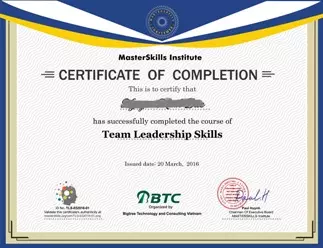
Chứng nhận hoàn thành khóa học
Học viên đáp ứng yêu cầu tham dự và thực hành được Masterskills cấp chứng nhận hoàn thành chương trình.
8. Đội ngũ giảng viên
Giảng viên và chuyên gia Masterskills có kinh nghiệm quản lý, tư vấn và đào tạo thực tế trong lĩnh vực phù hợp với nội dung chương trình.

MBA. Nguyễn Duy Kha
Chuyên gia chiến lược kinh doanh & phát triển thị trường. Chiến lược bán hàng, kênh phân phối, quản lý kinh doanh và lãnh đạo thực thi.

GS. Augustine Hà Tôn Vinh
Chuyên gia tư vấn chiến lược & quản trị quốc tế. Chiến lược phát triển, tái cấu trúc tổ chức, đầu tư công – tư và tài chính dự án.
9. Hồ sơ năng lực Masterskills
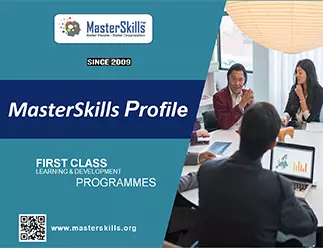
Năng lực đào tạo, lĩnh vực chuyên môn, phương pháp triển khai và kinh nghiệm đồng hành cùng doanh nghiệp của Masterskills.
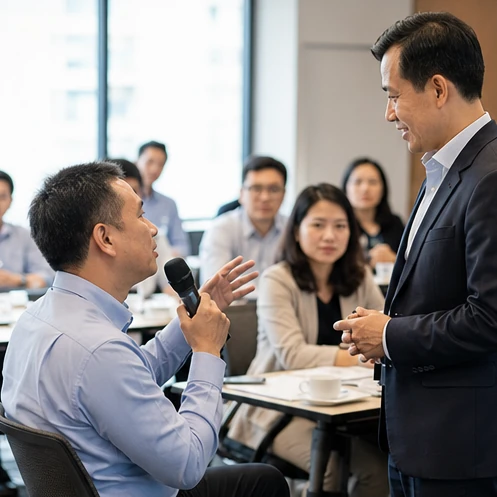
Nhận xét của khách hàng
Xem thêm nhận xét khách hàng“Khóa học Phân Tích Dự Báo Thị Trường Và Lập Kế Hoạch có nội dung thực tế, hoạt động thực hành bám sát công việc và cách hướng dẫn rõ ràng. Giảng viên giúp học viên sử dụng công cụ phù hợp, phân tích tình huống và xây dựng phương án có thể áp dụng vào công việc sau chương trình.”
10. Các khách hàng tiêu biểu
Một số chương trình đào tạo thực tế có nội dung gần với chủ đề khóa học đã được Masterskills triển khai cho doanh nghiệp.
.webp) Sản xuất - Bảo trìTổ chức khóa học Lập Kế Hoạch Kinh Doanh Hàng Năm (AOP) tại Công ty CP May Sài Gòn 3 – Tp.HCM.
Sản xuất - Bảo trìTổ chức khóa học Lập Kế Hoạch Kinh Doanh Hàng Năm (AOP) tại Công ty CP May Sài Gòn 3 – Tp.HCM.
.webp) Sản xuất - Bảo trìTổ chức khóa học Kỹ Năng Tư Duy Chiến Lược tại Công ty Toyotsu Safety & Automotive Components Vietnam - Tỉnh Bình Dương.
Sản xuất - Bảo trìTổ chức khóa học Kỹ Năng Tư Duy Chiến Lược tại Công ty Toyotsu Safety & Automotive Components Vietnam - Tỉnh Bình Dương.
 Sản xuất - Bảo trìTổ chức khóa học Kỹ Năng Tư Duy Phản Biện tại Công Ty Honda VietNam – Tp.Hà Nội.
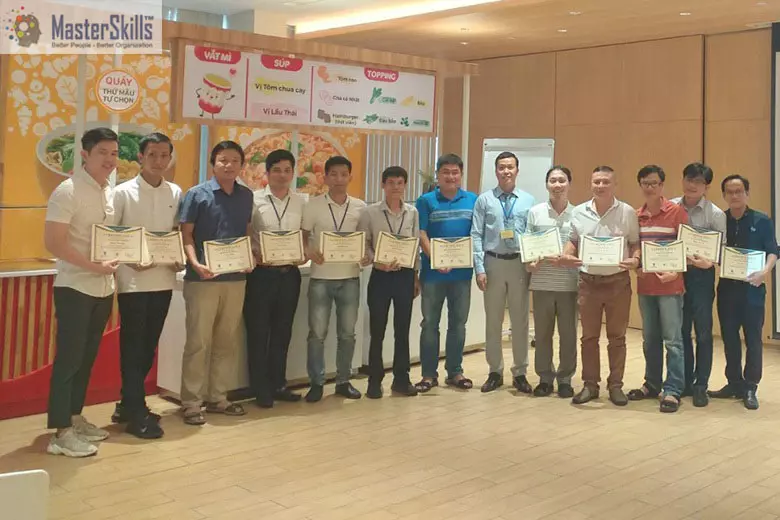 Thực phẩm - Đồ uốngTổ chức khóa học Quản Trị Rủi Ro & Bảo Mật Thông Tin tại Công Ty CP AceCook VietNam – Tp.HCM.
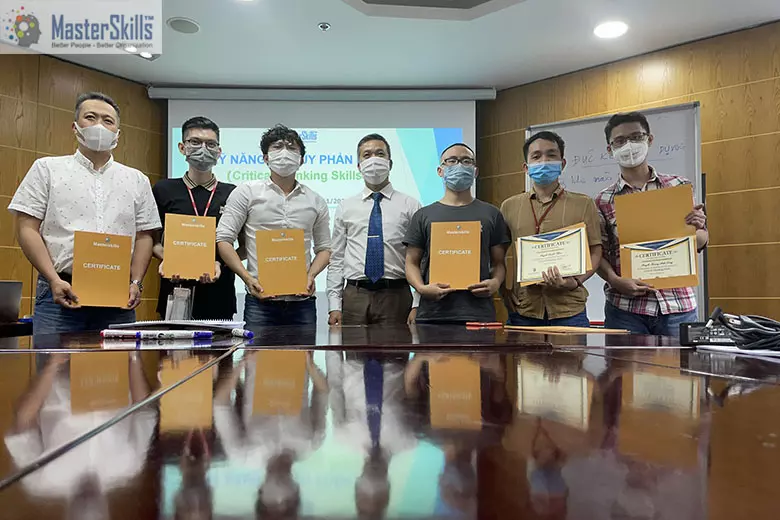 Sản xuất - Thực phẩmTổ chức khóa học Kỹ Năng Tư Duy Phản Biện tại Công Ty Ajinomoto VietNam – Tp.HCM.
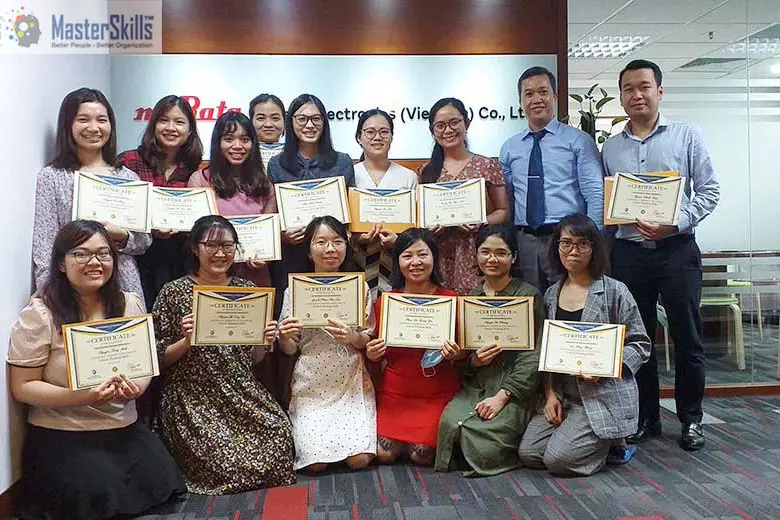 Sản xuất - Bảo trìTổ chức khóa học Kỹ Năng Tư Duy Phản Biện tại Công ty Murata Electronics VietNam – Tp.Hà Nội.
.webp) Sản xuất - Bảo trìTổ chức khóa học Quản Lý Bảo Trì Công Nghiệp (TPM) tại Công Ty ABB VietNam – Bắc Ninh.
Sản xuất - Bảo trìTổ chức khóa học Quản Lý Bảo Trì Công Nghiệp (TPM) tại Công Ty ABB VietNam – Bắc Ninh.
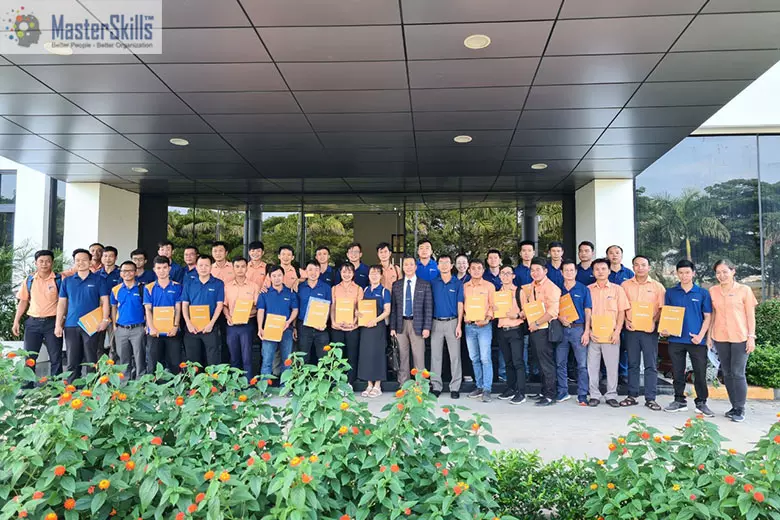 Thương mại - Dịch vụTổ chức khóa học Tư Duy Tích Cực tại Công Ty Behn Meyer Agricare VietNam – Tp.Vũng Tàu.
Sẵn sàng phát triển phân tích dự báo thị trường và lập kế hoạch cho đội ngũ?
Chuyên gia Masterskills sẵn sàng tư vấn chương trình Phân Tích Dự Báo Thị Trường Và Lập Kế Hoạch phù hợp mục tiêu doanh nghiệp.