
Proprietary Course MaterialsStandardized content updated in line with the course objectives.





Course
Job Description Development Skills
Developing Job Descriptions
Guide participants in analyzing jobs and developing job descriptions with clear role purpose, responsibilities, competency requirements, and working relationships.
Table of Contents
1. Course Overview
Unclear job descriptions create mismatched recruitment expectations, overlapping assignments, unsupported evaluations, and uncertainty about accountable results. An effective job description must reflect actual work rather than merely list generic duties.
The course “Job Description Development Skills” guides participants in gathering information, analyzing role purpose, defining key duties and responsibilities, setting competency requirements and authority, and clarifying reporting and coordination relationships.
Participants practice editing a job description and checking its alignment with the organizational structure, KPIs, and HR processes. The result is a practical job-description template that can be used and updated in the workplace.
2. Learning Objectives
- Explain the role of job descriptions in recruitment, work assignment, and evaluation.
- Gather and analyze job information from appropriate sources.
- Define role purpose, key duties, responsibilities, and scope of authority.
- Describe the required knowledge, skills, experience, and competencies.
- Clarify reporting and coordination relationships and the linkage between job descriptions and KPIs.
- Standardize templates and review and update job descriptions when structures or work requirements change.
3. Target Participants
- HR Managers and HR Business PartnersThose leading development, standardization, and updating of the job-description system.
- Recruitment and Performance Management SpecialistsThose using job descriptions to define selection and evaluation criteria.
- Functional Directors and Department HeadsThose providing job information and defining position responsibilities.
- Organization Design ProfessionalsThose who need to clarify roles, reporting relationships, and cross-functional coordination.
4. Course Outline
PART 01Foundations of Job Descriptions
- The concept of a well-structured job description.
- The role of job descriptions in human resources management.
- Differences among job descriptions, KPIs, and competency standards.
- The relationship between job descriptions, recruitment, and evaluation.
- Core components of a job description.
- A position-based work management model.
- Scenario: an employee is unclear about key responsibilities.
- Practice assessing current job descriptions.
PART 02Job Analysis and Information Gathering
- Define the purpose of the position.
- Gather information from managers and employees.
- Observe work processes and outputs.
- Distinguish regular and ad hoc duties.
- Clarify the scope of authority and responsibility.
- Use interviews and analysis checklists.
- Example: a role with overlapping duties.
- Practice preparing a job-analysis worksheet.
PART 03Defining Key Duties and Responsibilities
- Group duties by job function.
- Write responsibilities using action verbs.
- Define the required output for each duty.
- Distinguish primary and supporting responsibilities.
- Clarify frequency and priority.
- Use standardized, concise, and accessible language.
- Scenario: a lengthy but unfocused job description.
- Practice writing critical duties.
PART 04Developing Competency Standards and Position Requirements
- Define required technical knowledge.
- Define skills required to perform the work.
- Define appropriate attitudes and behaviors.
- Distinguish mandatory and preferred requirements.
- Set experience requirements by level.
- Link competencies with work outcomes.
- Scenario: a poor hiring decision caused by vague standards.
- Practice developing a position-requirement framework.
PART 05Linking Job Descriptions with KPIs and Internal Coordination
- Define measures of position results.
- Convert work outputs into KPIs.
- Clarify reporting and coordination relationships.
- Establish appropriate decision-making authority.
- Define responsibility boundaries across functions.
- Apply RACI to work responsibility assignment.
- Scenario: work is passed between departments without ownership.
- Practice linking a sample job description with KPIs.
PART 06Standardizing, Updating, and Applying Job Descriptions
- Design a company-wide standardized job-description template.
- Job-description review and approval process.
- Update job descriptions when the structure changes.
- Apply job descriptions in recruitment and training.
- Apply job descriptions in performance evaluation.
- Maintain and communicate job descriptions to employees.
- Scenario: an outdated job description no longer reflects actual work.
- Practice completing a standard job description.
5. Training Methodology
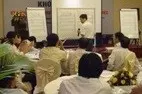
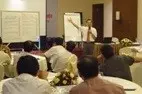
Classes are delivered in small, learner-centered groups. Instructors provide concise input, then facilitate discussions, scenario-based practice, feedback, and reflection so participants can translate knowledge into practical workplace behaviors.
Group Discussions
Individual Exercises
Group Presentations
Brainstorming Techniques
Guided Practice with the Instructor
Experiential Projects
In-Class Activities
Role-Playing Activities
Class Presentations
6. Class Information
| Expected Start Date | Schedule | Class Hours | Location | Tuition Fee | Register |
|---|---|---|---|---|---|
| To Be Announced | Saturday – Sunday | 08:30 – 16:30 | Ho Chi Minh City | VND 4,500,000 | Register |
| To Be Announced | Monday – Thursday | 18:00 – 21:30 | Hanoi | VND 4,500,000 | Register |
10% discount for registration at least 15 days in advance, groups of three or more participants, or returning clients.Reserve a Seat
Note: The schedule above is provisional and may be adjusted based on enrollment, class arrangements, and the actual training plan. Masterskills will confirm the official schedule with participants before the course begins.
- Duration: 2 days / 4 sessions; maximum 35 participants per class.
- Ho Chi Minh City: 224 Dien Bien Phu Street, Ban Co Ward, Ho Chi Minh City.
- Hanoi: 51 Le Dai Hanh Street, Hai Ba Trung Ward, Hanoi.
- Corporate in-house training: Delivered at the client's office or factory; pricing depends on the design scope, location, and class size.
- Additional costs: Instructor travel and accommodation costs are determined by the delivery location, where applicable.
7. Learning Materials & Certification
Participants receive proprietary course materials developed by Masterskills, practical handouts, self-assessment forms, and reference materials aligned with real business situations.
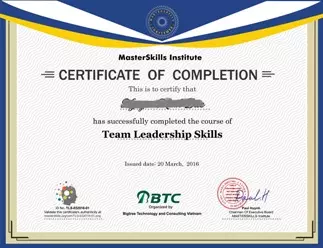
Course Completion Certificate
Participants who meet the attendance and practical requirements receive a Masterskills certificate of program completion.
8. Faculty
Masterskills instructors and experts bring practical management, consulting, and training experience relevant to the program content.

MBA. La Kiến Mỹ
Human resources management and organizational leadership expert specializing in workforce planning, performance, motivation, and succession development.

MBA. Đinh Tiến Dũng
Human resources management and quality systems expert specializing in HR management, ISO, quality systems, and leadership skills.
9. Masterskills Corporate Profile
An overview of Masterskills' training capabilities, areas of expertise, delivery methodology, and experience partnering with organizations.

Client Testimonials
View More Client Testimonials“The Job Description Development Skills course offers practical content, workplace-relevant exercises, and clear facilitation. The instructor helps participants use appropriate tools, analyze situations, and develop solutions they can apply after the program.”
10. Selected Clients
Masterskills has delivered a number of corporate training programs with content closely related to this course topic.
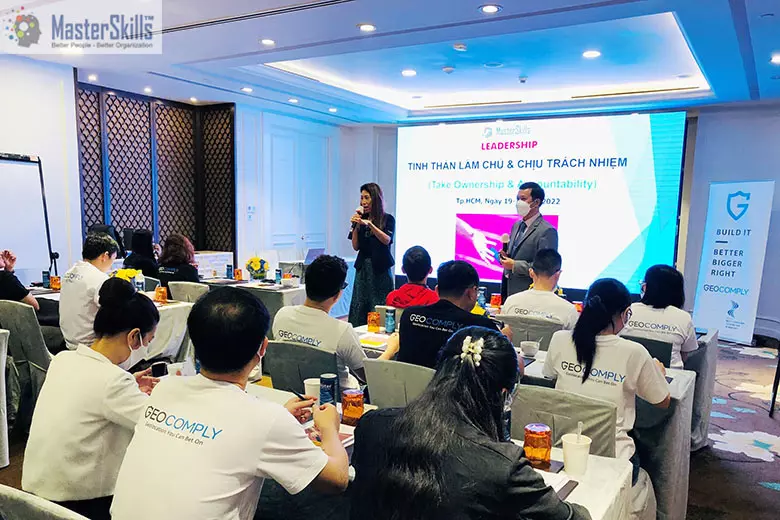 Ownership & AccountabilityG-Comply Vietnam – Ho Chi Minh City
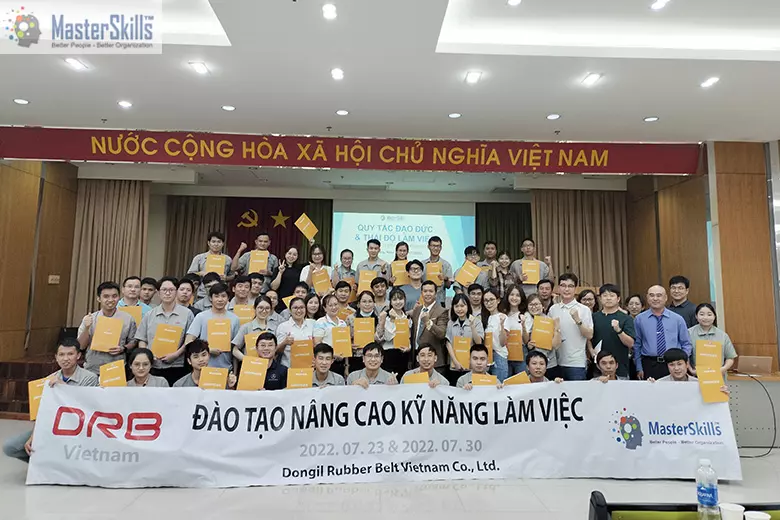 Workplace Ethics and AttitudeDongil Rubber Belt Vietnam – Ho Chi Minh City
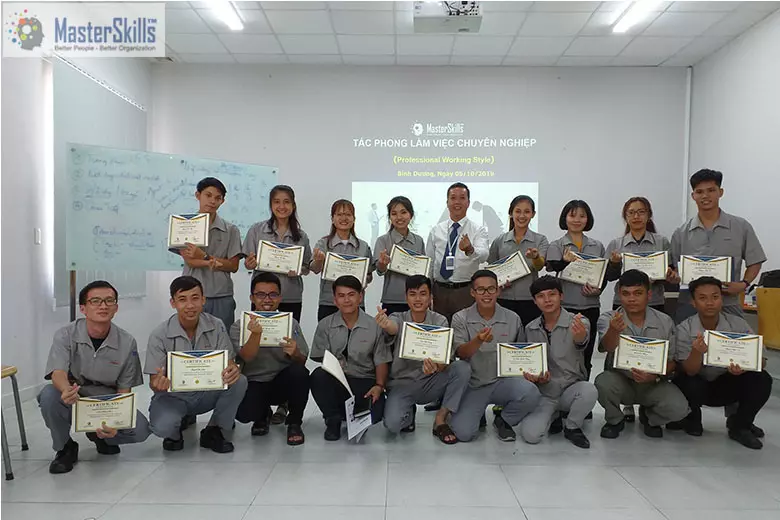 Professional Work PracticesDongil Rubber Belt Vietnam – Ho Chi Minh City
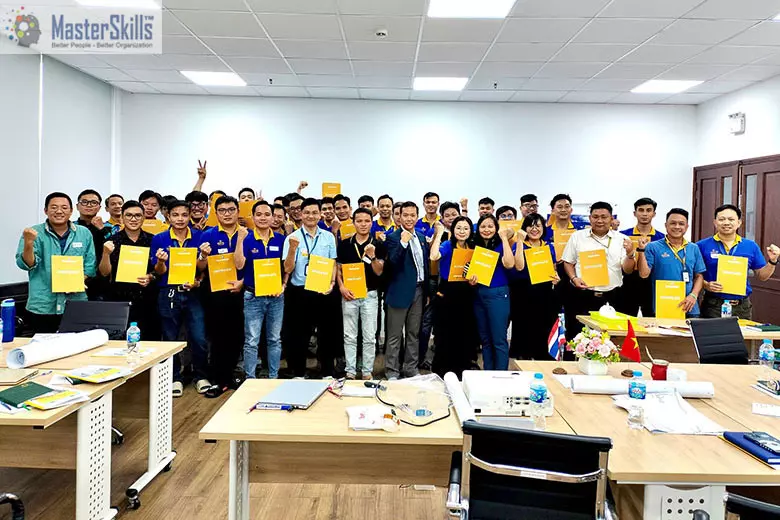 Effective Work SkillsChia Tai Vietnam - Long An
.webp) Managing the Five Dysfunctions of a TeamSpecialized Bicycle Components Vietnam - Ho Chi Minh City
Managing the Five Dysfunctions of a TeamSpecialized Bicycle Components Vietnam - Ho Chi Minh City
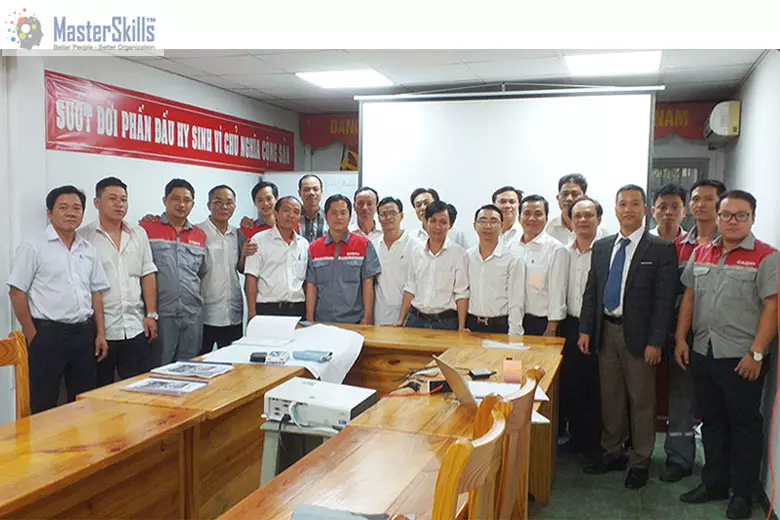 Teamwork SkillsCadivi Mien Dong Electric Cable Company – Ho Chi Minh City
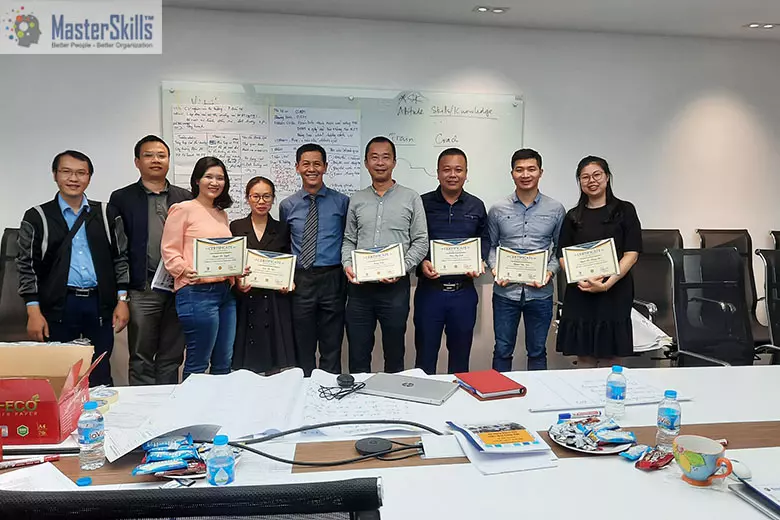 Performance EvaluationXuan Cau Company – Ho Chi Minh City
.webp) Team Spirit & TeamworkAnt Farm Vietnam – Ho Chi Minh City
Team Spirit & TeamworkAnt Farm Vietnam – Ho Chi Minh City
Related Courses

Role and Responsibility AssignmentDevelop role and responsibility assignment capability through practical scenarios.

Job Standard DesignDevelop job-standard design capability through practical scenarios.

Recruitment Interviewing SkillsDevelop recruitment interviewing skills through practical scenarios.

Work Assignment and DelegationDevelop work-assignment and delegation capability through practical scenarios.

Performance EvaluationDevelop performance evaluation capability through practical scenarios.

Building a 3P Compensation SystemDevelop the capability to build a 3P compensation system through practical scenarios.
Ready to strengthen your team's job description development skills?
Masterskills experts are ready to advise you on a Job Description Development Skills program aligned with your organization's objectives.