
Copyrighted The MaterialsStandardized content updated according to course objectives.





Course
Excellent Customer Service Mindset
Excellent Customer Service Mindset
Build a customer-centric service mindset and translate it into behavioral standards, internal collaboration and service accountability.
Table of Contents
1. The Introduction
Customer service begins with how each individual views their role in the customer experience. When service is seen only as the duty of one department, touchpoints become inconsistent and customer issues are easily passed between units.
The course helps learners understand external and internal customers, identify expectations, view processes from the user’s perspective and develop an appropriate service attitude. The content connects service mindset with business value, internal collaboration and shared responsibility.
The “Excellent Customer Service Mindset” program is suitable for organizations that want to build a service awareness and behavior foundation before standardizing advanced service skills or processes.
2. Training Objectives
- Understand the role of service mindset in customer experience and customer relationships.
- Distinguish external customers, internal customers and the needs of each group.
- Identify expectations and evaluate activities from the customer’s perspective.
- Demonstrate proactive, responsible and solution-oriented service behavior.
- Coordinate internally to maintain a consistent experience and gradually build a service culture.
3. Target Participants
- Employees with direct customer contactNeed consistent service attitudes and behaviors at customer touchpoints.
- Internal support and operations staffIndirectly affect service speed and quality for customers.
- Service team leaders and supervisorsNeed to guide, observe and reinforce behavioral standards.
- Managers involved in customer experienceWant to build cross-functional service collaboration and accountability.
4. The Content
The program focuses on the foundations of service mindset, customer perspective, behavioral standards, solution thinking, internal collaboration and sustaining a service culture.
PART 01 Foundations of Customer Service Mindset
- Concepts of customer service mindset.
- The role of service in competitive advantage.
- Differences between good service and excellent service.
- Service thinking beyond the customer care department.
- The link between experience, trust and revenue.
- The service value model in business.
- Case: customers leave even when the product is good.
- Self-assessment of service mindset.
PART 02 Viewing the Business from the Customer Perspective
- Understand the customer journey before serving.
- Identify touchpoints that shape service perception.
- Distinguish stated and unstated expectations.
- Observe customer emotions at each step.
- Identify moments that create strong impressions.
- Use customer experience mapping tools.
- Example of a small touchpoint creating a major difference.
- Practice mapping the customer service journey.
PART 03 Professional Service Behavior Standards
- Welcome customers with a positive attitude.
- Respond quickly, clearly and as committed.
- Provide proactive support before being asked.
- Keep promises in every service interaction.
- Communicate consistently with brand standards.
- Avoid behaviors that reduce customer goodwill.
- Case: the process is followed but lacks empathy.
- Practice building service behavior standards.
PART 04 Solution Mindset When Customers Face Problems
- Receive issues with a responsible attitude.
- Listen fully before proposing a solution.
- Classify issues by level of impact.
- Find solutions within the allowed scope.
- Transfer internally without abandoning the customer.
- Follow through until the customer is supported.
- Case: a customer is transferred across multiple departments.
- Practice problem handling with a service mindset.
PART 05 Internal Collaboration for a Consistent Experience
- Treat other departments as internal customers.
- Clarify responsibilities at handover points.
- Reduce blame when service errors occur.
- Coordinate quickly to protect customer experience.
- Share customer information at the right time.
- Process customer requests across departments.
- Case: the customer suffers because internal coordination is weak.
- Practice mapping service collaboration.
PART 06 Sustaining a Customer Service Culture
- Set service standards for the team.
- Measure experience through customer feedback.
- Learn from compliments and complaints.
- Recognize service behaviors that exceed expectations.
- Improve service from real situations.
- Spread service thinking across the enterprise.
- Case: good service depends on individuals only.
- Prepare a service culture commitment plan.
5. Training Methodology
The class is organized in small groups with a learner-centered approach. The facilitator delivers concise inputs, then leads discussion, scenario practice, feedback and debriefing so learners can convert knowledge into applicable workplace behaviors.
Group Discussion
Individual Exercises
Group Presentation
Brainstorming Techniques
Facilitator-Guided Practice
Experiential Project
In-Class Activities
Role-Play Activities
Classroom Presentation
6. Class Information
| Expected Start Date | Schedule | Time | Location | Tuition Fee | Register |
|---|---|---|---|---|---|
| To be updated | Saturday – Sunday | 08:30 – 16:30 | Ho Chi Minh City | 4,500,000 VND | Register |
| To be updated | Monday – Thursday | 18:00 – 21:30 | Hanoi | 4,500,000 VND | Register |
10% discount for registration at least 15 days in advance, groups of three or more learners, or loyal clients.Reserve a Seat
Note: The schedule above is tentative and may be adjusted depending on registration numbers, class organization conditions and the actual training plan. Masterskills will confirm the official schedule with learners before the start date.
- Duration: 2 days / 4 sessions; maximum 35 learners per class.
- Ho Chi Minh City: 224 Dien Bien Phu Street, Ban Co Ward, Ho Chi Minh City.
- Hanoi: 51 Le Dai Hanh Street, Hai Ba Trung Ward, Hanoi.
- In-house corporate training: Delivered at the client’s office or factory; quotation depends on design scope, location and class size.
- Additional costs: Trainer travel and accommodation costs are determined according to the delivery location, if applicable.
7. Learning Materials & Certification
Learners receive copyrighted course materials developed by Masterskills, practice handouts, self-assessment forms and reference materials closely aligned with business situations.
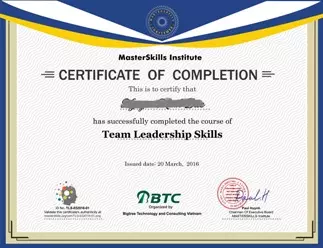
Certificate of Completion
Learners who meet attendance and practice requirements receive a Masterskills certificate of completion.
8. Faculty Team
Masterskills faculty and experts have practical experience in management, consulting and training in fields aligned with the program content.

MBA. Vu Lai Doan Trang
Human resource development and leadership expert. Leadership development, learning & development, customer service and organizational operations.

Dr. Thai Tri Dung
Human resource management and behavioral psychology expert. Leadership, management psychology, negotiation, culture and organizational behavior.
9. Masterskills Profile
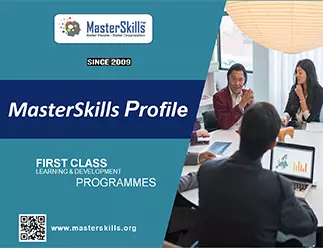
Masterskills’ training capabilities, areas of expertise, delivery methodology and experience partnering with enterprises.
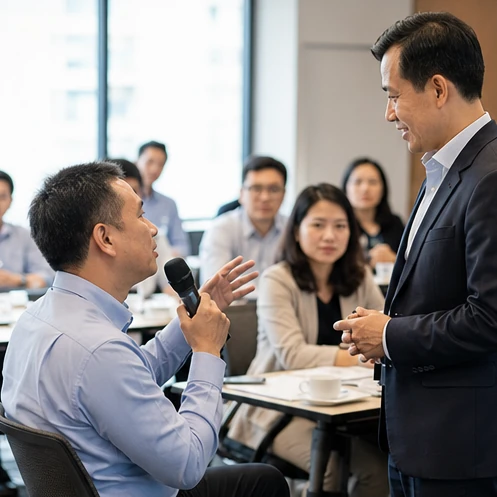
Client Testimonials
View More Client Testimonials“The Excellent Customer Service Mindset course provides practical content, workplace-relevant activities and clear facilitation. The facilitator helps learners use appropriate tools, analyze situations and develop concrete application plans after the course.”
10. Representative Clients
Selected practical training programs with content related to this course topic have been delivered by Masterskills for corporate clients.
.webp) Customer Journey ExperienceBank Military (MB Bank) – Ho Chi Minh City
Customer Journey ExperienceBank Military (MB Bank) – Ho Chi Minh City
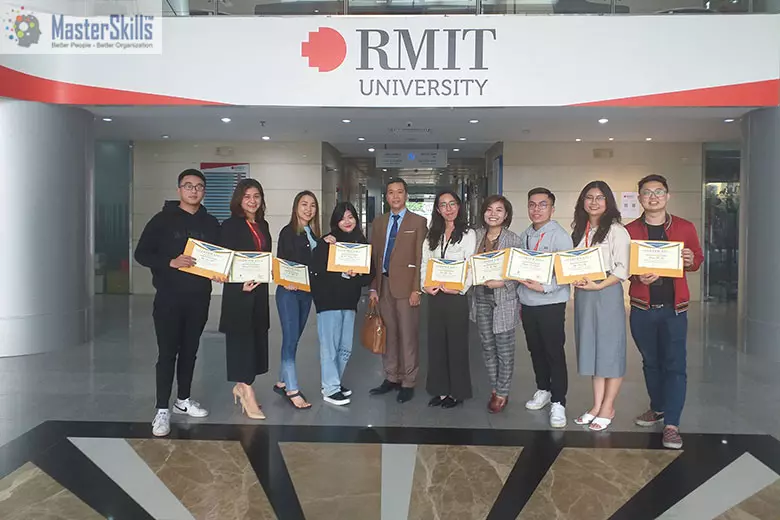 Customer Psychology and BehaviorUniversity RMIT – Ho Chi Minh City
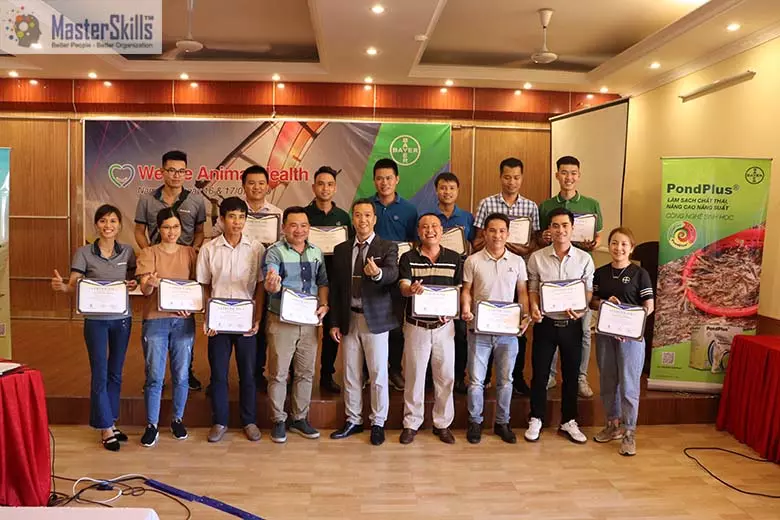 Customer Psychology and BehaviorCompany Bayer VietNam – Nam Dinh
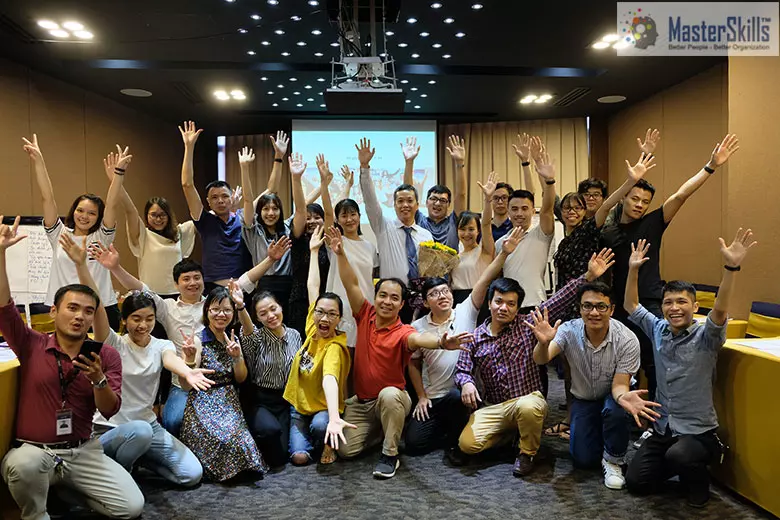 Customer Psychology and Behavior B2BCompany E-Soft Vietnam - Ho Chi Minh City
Customer Psychology and BehaviorCompany Bayer VietNam - Nam Dinh
Customer Psychology and Behavior B2BCompany E-Soft Vietnam - Ho Chi Minh City
Customer Psychology and BehaviorCompany Bayer VietNam - Nam Dinh
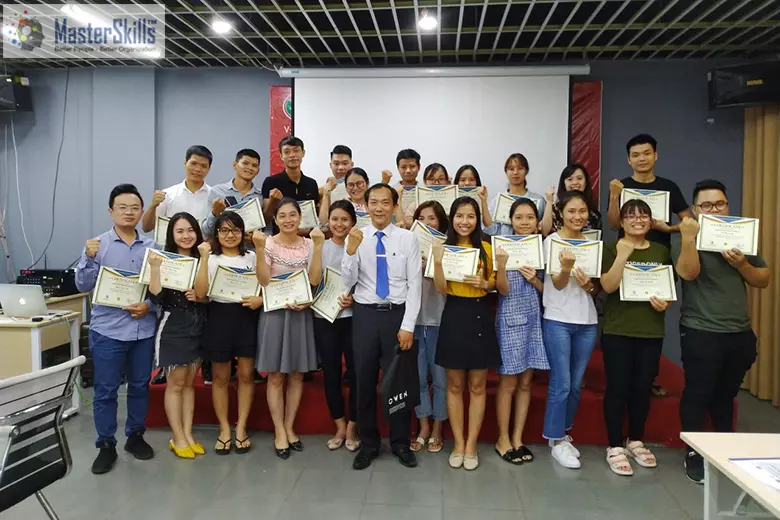 Customer Service SkillsCompany China Express – Ho Chi Minh City
.webp) Customer Service SkillsOlympia Schools – Ho Chi Minh City
Customer Service SkillsOlympia Schools – Ho Chi Minh City
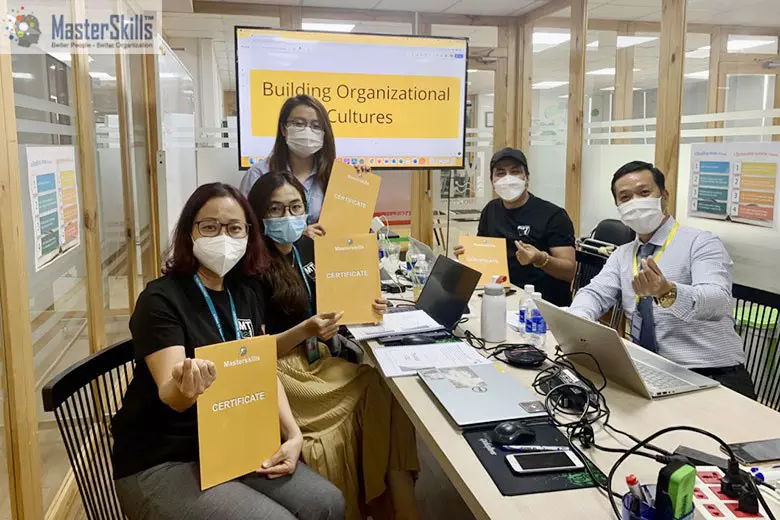 Building Corporate CultureCompany MTI Technology Vietnam - Ho Chi Minh City
Related Courses

Customer Service CultureDevelop customer service culture capability through real workplace scenarios.

Customer Service SkillsDevelop customer service skills through real workplace scenarios.

Customer Service ExcellenceDevelop service excellence capability through real workplace scenarios.

Customer Service OptimizationDevelop customer service optimization capability through real workplace scenarios.

Customer Care SkillsDevelop customer care skills through real workplace scenarios.

Customer Complaint HandlingDevelop customer complaint handling capability through real workplace scenarios.
Ready to develop Excellent Customer Service Mindset capability for your team?
Masterskills experts are ready to advise on a Excellent Customer Service Mindset program aligned with your business objectives.