
Proprietary Course MaterialsStandardized content updated in line with the course objectives.








Course
Records and Document Management Skills
Records and Document Management Skills
Enable participants to build a systematic, searchable records system with version control and appropriate workplace confidentiality safeguards.
Table of Contents
1. Course Overview
Records and documents provide evidence of operational activities, yet many organizations still store them across scattered locations, use inconsistent naming conventions, or lack version control. As a result, employees waste time searching, use incorrect documents, and struggle to establish accountability when errors occur.
The course “Records and Document Management Skills” guides participants in classifying, coding, storing, and retrieving records through a standardized process. The course also covers version control, approval workflows, access authorization, confidentiality, and document digitization.
Through scenarios and exercises involving folder structures, indexes, naming conventions, and records management procedures, participants can review their current system and recommend improvements suited to their department.
2. Learning Objectives
- Distinguish among records, documents, forms, and supporting documents in business operations.
- Classify, code, and name documents using consistent, searchable conventions.
- Design processes for document storage, borrowing and return, updating, and version control.
- Determine retention periods, access rights, and safeguards for sensitive documents.
- Integrate paper records management with electronic storage and appropriate digital tools.
- Review deficiencies and develop an improvement plan for the department's records system.
3. Target Participants
- Managers and Department HeadsThose who need to standardize records, forms, and document management responsibilities within their unit.
- Administration, Document Control, and Records StaffThose directly responsible for receiving, organizing, controlling, and retrieving corporate records.
- Legal, Quality, Human Resources, and Finance PersonnelThose managing documents subject to stringent accuracy, confidentiality, or compliance requirements.
- Employees Who Regularly Handle DocumentsThose seeking to reduce search time and prevent the use of incorrect record versions.
4. Course Outline
PART 01Overview of Records Management
- Documents.
- Concepts of corporate records and document management.
- The role of documents in organizational operations.
- Distinguishing records, documents, forms, and supporting documents.
- Principles of completeness, accuracy, and retrievability.
- The impact of poor document management.
- Common records storage errors.
- Examples of risks caused by lost documents.
- Discussion of current document management challenges.
PART 02Records Classification and Standardization
- Documents.
- Identify document groups by function.
- Classify administrative, human resources, and financial documents.
- Establish record codes and document names.
- Standardize forms, versions, and document ownership.
- Define retention periods for each document type.
- Apply 5S principles to document management.
- Exercise: classify departmental documents.
- Practice assigning record codes and names.
PART 03Document Storage and Retrieval Process
- Design a user-friendly folder structure.
- Maintain consistent paper and electronic filing systems.
- Define storage locations and records custodians.
- Establish procedures for borrowing, returning, and updating records.
- Create indexes to support rapid retrieval.
- Use records control checklists.
- Scenario: excessive time spent locating documents.
- Practice creating a sample folder structure.
PART 04Version Control and Approval Workflows
- Identify documents requiring version control.
- Record issue dates, revisions, and approvers.
- Manage drafts, effective versions, and obsolete versions.
- Establish drafting, review, and approval procedures.
- Communicate document changes to users.
- Apply document control practices within the organization.
- Example of using an incorrect document version.
- Exercise: design a sample approval workflow.
PART 05Document Confidentiality, Compliance, and Risk Management
- Assign access rights based on job roles.
- Protect confidential, sensitive, and personal documents.
- Control copying, sharing, and printing.
- Comply with records retention and legal requirements.
- Identify data loss risks.
- Establish secure document disposal procedures.
- Scenario: confidential document sent to the wrong recipient.
- Practice assigning document access by user group.
PART 06Digitizing and Improving Records Management
- Convert paper records into digital data.
- Use appropriate document management software.
- Establish storage rules for digital platforms.
- Automate deadline reminders, approvals, and archiving.
- Evaluate retrieval efficiency and information security.
- Continuously improve document management processes.
- Develop a records and document management checklist.
- Commit to applying the practices within the participant's department.
5. Training Methodology
Classes are delivered in small, learner-centered groups. Instructors provide concise input, then facilitate discussions, scenario-based practice, feedback, and reflection so participants can translate knowledge into practical workplace behaviors.
Group Discussions
Individual Exercises
Group Presentations
Brainstorming Techniques
Guided Practice with the Instructor
Experiential Projects
In-Class Activities
Role-Playing Activities
Class Presentations
6. Class Information
| Expected Start Date | Schedule | Class Hours | Location | Tuition Fee | Register |
|---|---|---|---|---|---|
| To Be Announced | Saturday – Sunday | 08:30 – 16:30 | Ho Chi Minh City | VND 4,500,000 | Register |
| To Be Announced | Monday – Thursday | 18:00 – 21:30 | Hanoi | VND 4,500,000 | Register |
10% discount for registration at least 15 days in advance, groups of three or more participants, or returning clients.Reserve a Seat
Note: The schedule above is provisional and may be adjusted based on enrollment, class arrangements, and the actual training plan. Masterskills will confirm the official schedule with participants before the course begins.
- Duration: 2 days / 4 sessions; maximum 35 participants per class.
- Ho Chi Minh City: 224 Dien Bien Phu Street, Ban Co Ward, Ho Chi Minh City.
- Hanoi: 51 Le Dai Hanh Street, Hai Ba Trung Ward, Hanoi.
- Corporate in-house training: Delivered at the client's office or factory; pricing depends on the design scope, location, and class size.
- Additional costs: Instructor travel and accommodation costs are determined by the delivery location, where applicable.
7. Learning Materials & Certification
Participants receive proprietary course materials developed by Masterskills, practical handouts, self-assessment forms, and reference materials aligned with real business situations.
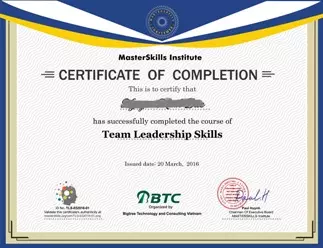
Course Completion Certificate
Participants who meet the attendance and practical requirements receive a Masterskills certificate of program completion.
8. Faculty
Masterskills instructors and experts bring practical management, consulting, and training experience relevant to the program content.

MBA. Đinh Tiến Dũng
Human resources management and quality systems expert specializing in HR management, ISO, quality systems, and leadership skills.

MBA. La Kiến Mỹ
Human resources management and organizational leadership expert specializing in workforce planning, performance, motivation, and succession development.
9. Masterskills Corporate Profile
An overview of Masterskills' training capabilities, areas of expertise, delivery methodology, and experience partnering with organizations.

Client Testimonials
View More Client Testimonials“The Records and Document Management Skills course offers practical content, workplace-relevant exercises, and clear facilitation. The instructor helps participants use appropriate tools, analyze situations, and develop solutions they can apply after the program.”
10. Selected Clients
Masterskills has delivered a number of corporate training programs with content closely related to this course topic.
.webp) Seven Quality Management ToolsTAKAKO Vietnam – Binh Duong
Seven Quality Management ToolsTAKAKO Vietnam – Binh Duong
.webp) Customer Experience JourneyMB Bank – Ho Chi Minh City
Customer Experience JourneyMB Bank – Ho Chi Minh City
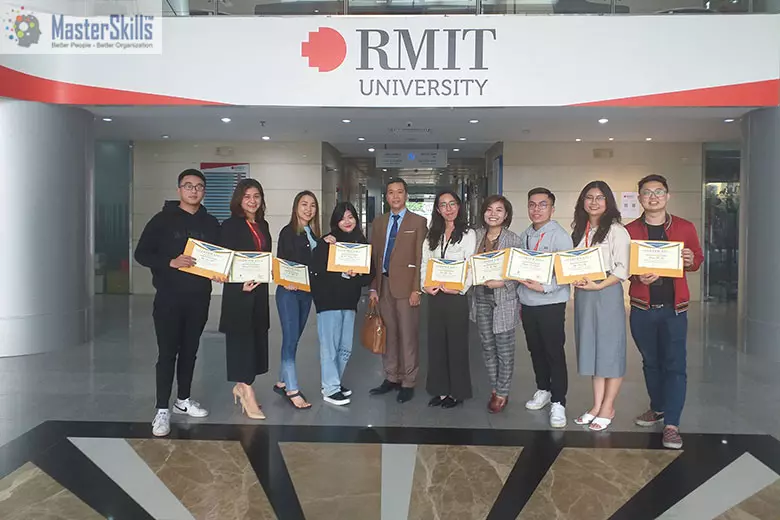 Customer Psychology & BehaviorRMIT University – Ho Chi Minh City
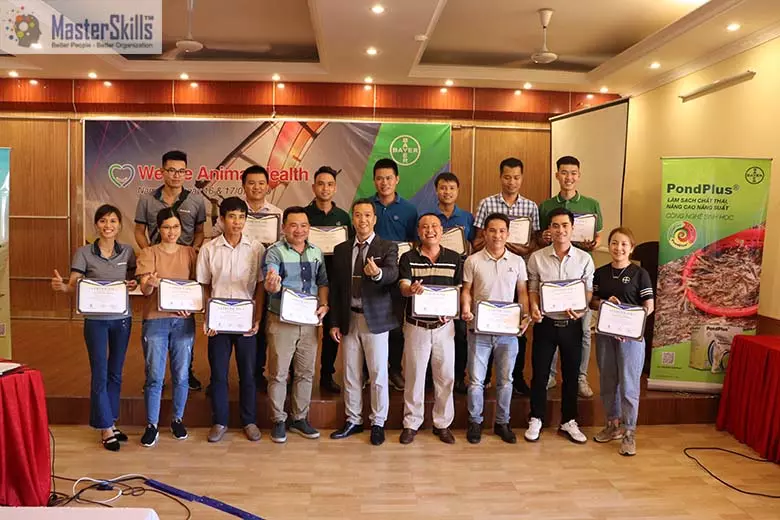 Customer Psychology & BehaviorBayer Vietnam – Nam Dinh
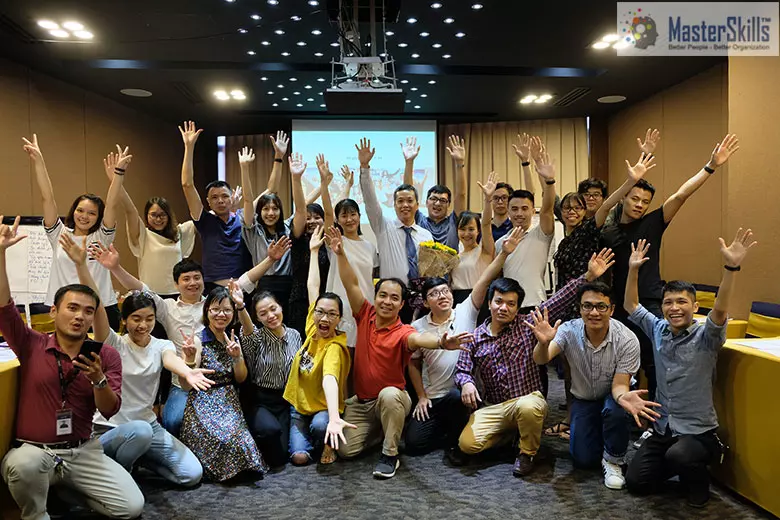 B2B Customer Psychology & BehaviorE-Soft Vietnam - Ho Chi Minh City
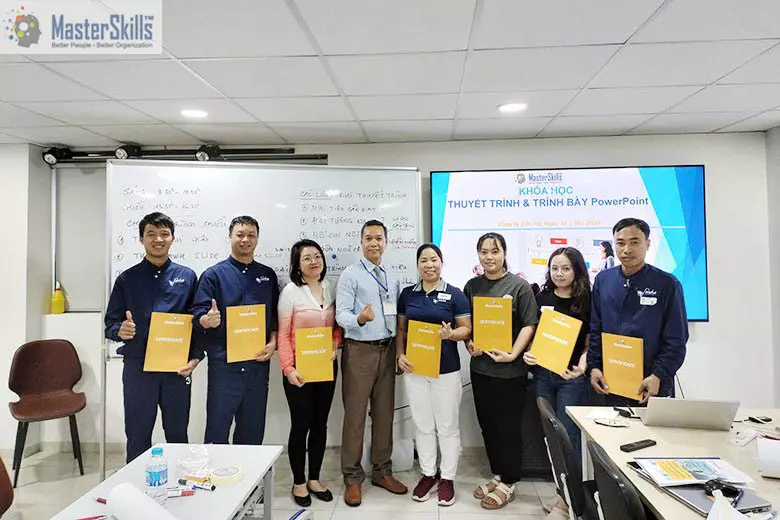 Presentation SkillsSon Ha Spices Company - Ho Chi Minh City
Customer Psychology & BehaviorBayer Vietnam - Nam Dinh
Presentation SkillsSon Ha Spices Company - Ho Chi Minh City
Customer Psychology & BehaviorBayer Vietnam - Nam Dinh
.webp) Presentation SkillsLien A Chau Trading and Investment Company – Ho Chi Minh City
Presentation SkillsLien A Chau Trading and Investment Company – Ho Chi Minh City
Related Courses

Building a 3P Compensation SystemDevelop the capability to build a 3P compensation system through practical scenarios.

Recruitment Interviewing SkillsDevelop recruitment interviewing skills through practical scenarios.

Role and Responsibility AssignmentDevelop role and responsibility assignment capability through practical scenarios.

Effective Human Resources ManagementDevelop effective human resources management capability through practical scenarios.

Building a KPI SystemDevelop KPI system development capability through practical scenarios.

Employee Training and CoachingDevelop employee training and coaching capability through practical scenarios.
Ready to strengthen your team's records and document management skills?
Masterskills experts are ready to advise you on a Records and Document Management Skills program aligned with your organization's objectives.