
Proprietary Course MaterialsStandardized content updated in line with the course objectives.








Course
Email Writing Skills for IT Professionals
Email Writing Skills for IT Professionals
Develop the ability to write clear, accessible, and accountable technical-support emails, from acknowledging an incident through progress updates and request closure.
Table of Contents
1. Course Overview
IT professionals frequently need to convert technical information into instructions users can understand and follow. Emails that are overly technical, omit the current status, or fail to specify next steps can create misunderstandings, prolong support time, and undermine the user experience.
The course “Email Writing Skills for IT Professionals” focuses on support email structure, incident descriptions, user instructions, requests for additional data, progress updates, and issue escalation. Participants also practice responding when users are frustrated or when information-security risks arise.
Through realistic ticket scenarios, participants learn to write concisely and accurately at an appropriate technical level for the recipient, while standardizing email templates to improve coordination among IT, users, and other stakeholders.
2. Learning Objectives
- Identify the objective, recipient, and priority level before writing a technical-support email.
- Structure emails to clearly state the issue, current status, resolution approach, and next action.
- Translate technical terminology into accessible language without distorting the information.
- Write emails requesting additional data, providing instructions, and confirming resolution outcomes.
- Communicate progress, estimated timelines, and escalation arrangements transparently.
- Handle sensitive responses and develop a reusable library of IT email templates.
3. Target Participants
- IT Technicians and IT SpecialistsThose who regularly guide users or coordinate incident resolution by email.
- Helpdesk and IT Support StaffThose who receive tickets, provide status updates, and respond to internal or external customers.
- Project Managers and Technical Team LeadersThose who need to communicate status, risks, and coordination requirements to multiple stakeholders.
- Developers and Technology ProfessionalsThose seeking to present technical information clearly and professionally in a business environment.
4. Course Outline
PART 01Foundations of Professional IT Email Communication
- The role of email in technical support.
- Differences between technical discussion and effective email communication.
- How clear emails reduce misunderstandings.
- Adopting a user-centered mindset before responding.
- Principles of brevity, accuracy, and clarity.
- Common mistakes in emails written by technical staff.
- Scenario: a user cannot understand the IT instructions.
- Discussion: current challenges in IT email communication.
PART 02Structuring User-Support Emails
- Write subject lines that clearly identify the issue.
- Open politely and in the appropriate support context.
- Summarize the incident in plain language.
- Present troubleshooting steps in a clear sequence.
- Request a response or confirmation.
- Close the email professionally and courteously.
- Tool: technical-support email templates.
- Exercise: write a response to a sample ticket.
PART 03Explaining Technical Issues Clearly
- Convert technical terminology into everyday language.
- Distinguish among causes, impacts, and solutions.
- Present information in order of priority.
- Avoid lengthy, confusing, or overly technical writing.
- Use clearly structured step-by-step instructions.
- Technique: explain through relatable examples.
- Example: guiding a user through a password change.
- Practice: rewrite an overly technical email.
PART 04Progress Updates and Incident Escalation Emails
- Communicate the current incident status.
- State the estimated completion time.
- Explain delays appropriately.
- Escalate the issue to the appropriate person and level.
- Specify relevant data, logs, and supporting evidence.
- Keep users informed in a timely manner.
- Scenario: a system incident with no immediate solution.
- Exercise: write a progress-update email.
PART 05Handling Difficult Emails and Sensitive Responses
- Respond calmly to frustrated users.
- Acknowledge shortcomings when IT service has not met expectations.
- Decline requests that do not follow established procedures.
- Request additional information without creating frustration.
- Communicate clearly when information-security risks are present.
- Technique: empathize, acknowledge, and guide.
- Example: a user complains about slow support.
- Practice: write an email responding to a difficult reaction.
PART 06Standardizing IT Emails and Improving Support Effectiveness
- Build a library of IT email templates.
- Standardize signatures, subject lines, and formatting.
- Track responses and resolution times.
- Archive emails for incident reference.
- Coordinate email with ticketing systems and internal chat.
- Improve the quality of support communication.
- Commitment: three actions after the course.
- Final exercise: complete a set of sample IT emails.
5. Training Methodology
Classes are delivered in small, learner-centered groups. Instructors provide concise input, then facilitate discussions, scenario-based practice, feedback, and reflection so participants can translate knowledge into practical workplace behaviors.
Group Discussions
Individual Exercises
Group Presentations
Brainstorming Techniques
Guided Practice with the Instructor
Experiential Projects
In-Class Activities
Role-Playing Activities
Class Presentations
6. Class Information
| Expected Start Date | Schedule | Class Hours | Location | Tuition Fee | Register |
|---|---|---|---|---|---|
| To Be Announced | Saturday – Sunday | 08:30 – 16:30 | Ho Chi Minh City | VND 4,500,000 | Register |
| To Be Announced | Monday – Thursday | 18:00 – 21:30 | Hanoi | VND 4,500,000 | Register |
10% discount for registration at least 15 days in advance, groups of three or more participants, or returning clients.Reserve a Seat
Note: The schedule above is provisional and may be adjusted based on enrollment, class arrangements, and the actual training plan. Masterskills will confirm the official schedule with participants before the course begins.
- Duration: 2 days / 4 sessions; maximum 35 participants per class.
- Ho Chi Minh City: 224 Dien Bien Phu Street, Ban Co Ward, Ho Chi Minh City.
- Hanoi: 51 Le Dai Hanh Street, Hai Ba Trung Ward, Hanoi.
- Corporate in-house training: Delivered at the client's office or factory; pricing depends on the design scope, location, and class size.
- Additional costs: Instructor travel and accommodation costs are determined by the delivery location, where applicable.
7. Learning Materials & Certification
Participants receive proprietary course materials developed by Masterskills, practical handouts, self-assessment forms, and reference materials aligned with real business situations.
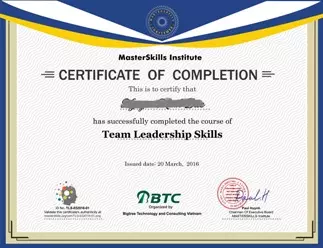
Course Completion Certificate
Participants who meet the attendance and practical requirements receive a Masterskills certificate of program completion.
8. Faculty
Masterskills instructors and experts bring practical management, consulting, and training experience relevant to the program content.

MBA. Nguyễn Hữu Thái Hòa
Strategy and digital transformation expert specializing in corporate strategy, digital transformation, business model innovation, and growth.

MBA. Vũ Lai Đoan Trang
Human resources development and leadership expert specializing in leadership development, learning and development, customer service, and organizational operations.
9. Masterskills Corporate Profile
An overview of Masterskills' training capabilities, areas of expertise, delivery methodology, and experience partnering with organizations.

Client Testimonials
View More Client Testimonials“The Email Writing Skills for IT Professionals course offers practical content, workplace-relevant exercises, and clear facilitation. The instructor helps participants use appropriate tools, analyze situations, and develop solutions they can apply after the program.”
10. Selected Clients
Masterskills has delivered a number of corporate training programs with content closely related to this course topic.
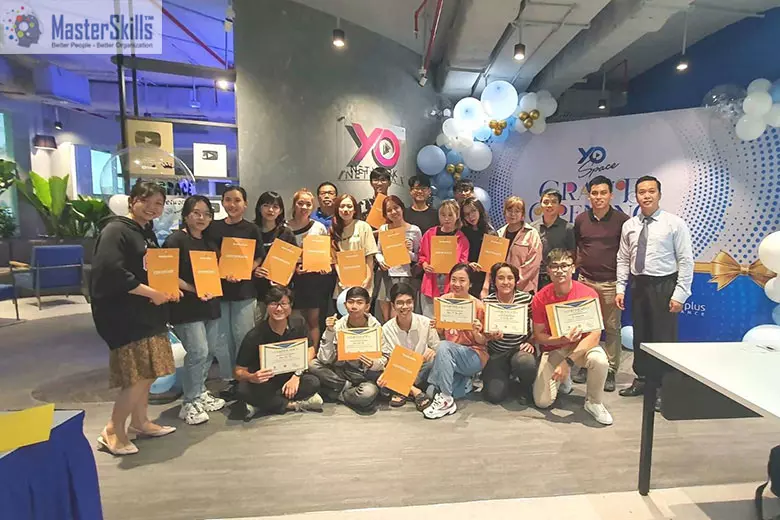 Communication Skills & Emotional RegulationTuoi Tre Telecommunications Joint Stock Company – Ho Chi Minh City
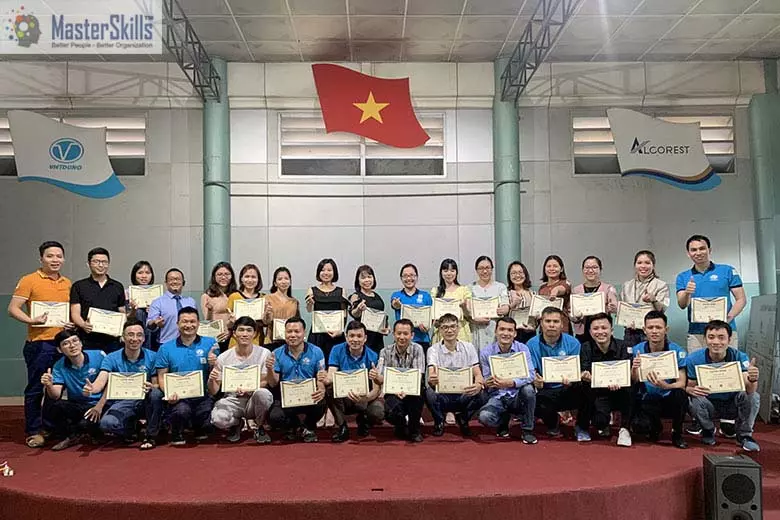 Customer Complaint ResolutionViet Dung Aluminum Joint Stock Company – Ho Chi Minh City
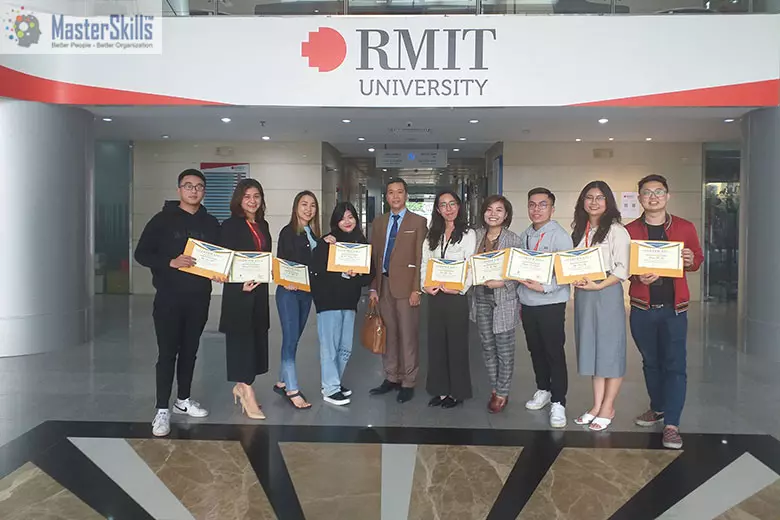 Customer Psychology & BehaviorRMIT University – Ho Chi Minh City
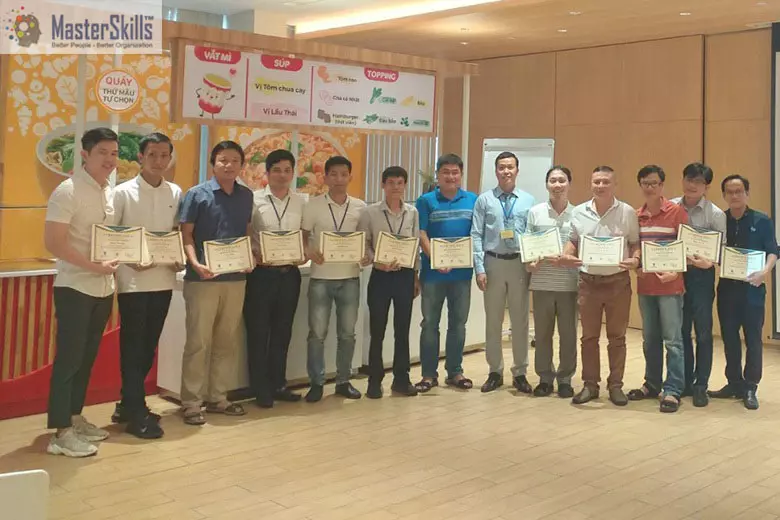 Risk Management & Information SecurityAcecook Vietnam – Ho Chi Minh City
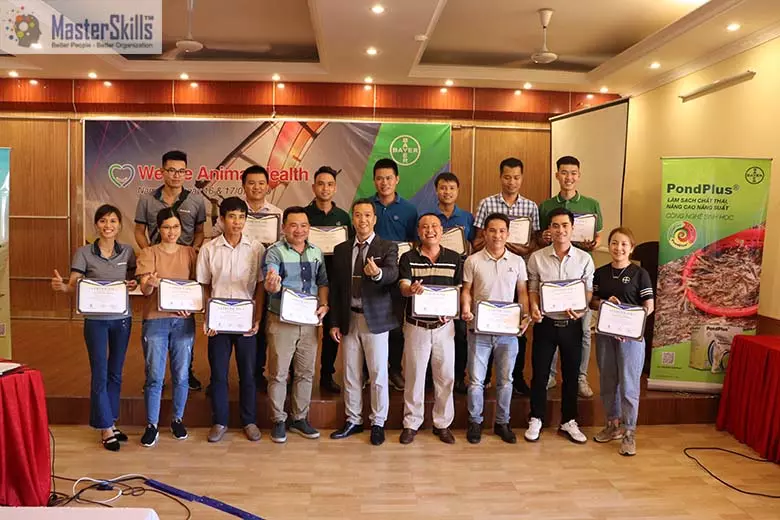 Customer Psychology & BehaviorBayer Vietnam – Nam Dinh
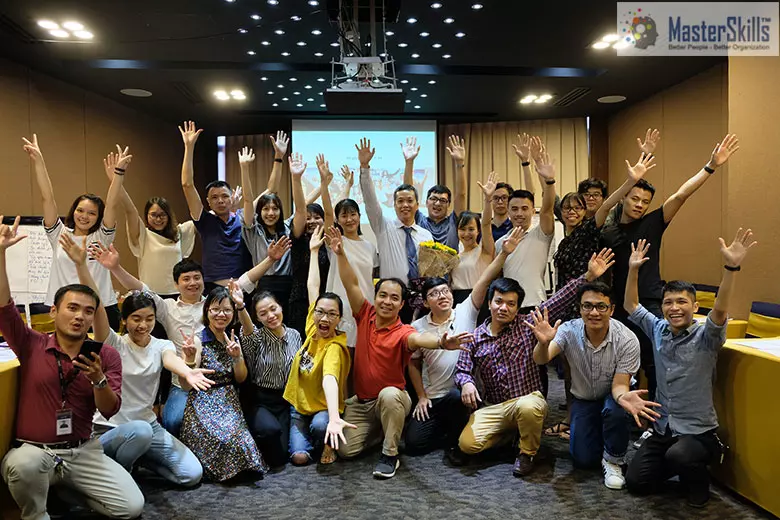 B2B Customer Psychology & BehaviorE-Soft Vietnam - Ho Chi Minh City
Customer Psychology & BehaviorBayer Vietnam - Nam Dinh
B2B Customer Psychology & BehaviorE-Soft Vietnam - Ho Chi Minh City
Customer Psychology & BehaviorBayer Vietnam - Nam Dinh
.webp) Communication Skills for Production TeamsDopla Asia - Vung Tau
Communication Skills for Production TeamsDopla Asia - Vung Tau
Related Courses

Customer Service CommunicationDevelop customer service communication capability through practical scenarios.

Social Media CommunicationDevelop social media communication capability through practical scenarios.

Sales CommunicationDevelop sales communication capability through practical scenarios.

Communication and Interpersonal SkillsDevelop communication and interpersonal skills through practical scenarios.

Cross-Cultural CommunicationDevelop cross-cultural communication capability through practical scenarios.

Nonverbal Communication SkillsDevelop nonverbal communication skills through practical scenarios.
Ready to strengthen your team's email writing skills for IT professionals?
Masterskills experts are ready to advise you on an Email Writing Skills for IT Professionals program aligned with your organization's objectives.