
Giáo trình bản quyềnNội dung chuẩn hóa, cập nhật theo mục tiêu khóa học.


Khóa học
Giao Tiếp Trong Môi Trường Đa Văn Hóa
Communication in a Multicultural Environment
Phát triển năng lực nhận biết khác biệt văn hóa, điều chỉnh cách giao tiếp và phối hợp hiệu quả trong đội ngũ, khách hàng và đối tác đa quốc gia.
1. Giới thiệu khóa học
Khác biệt về cách diễn đạt, quan niệm thời gian, khoảng cách quyền lực, cách phản hồi hoặc ra quyết định có thể tạo hiểu lầm dù các bên đều có thiện chí. Trong môi trường đa văn hóa, việc áp dụng thói quen giao tiếp của một nền văn hóa cho mọi đối tượng thường không hiệu quả.
Khóa học giúp học viên nhận diện các yếu tố văn hóa tác động đến giao tiếp, quan sát tín hiệu ngôn ngữ và phi ngôn ngữ, đồng thời điều chỉnh cách làm việc theo bối cảnh. Các tình huống thực hành tập trung vào phối hợp nhóm, họp, phản hồi, xử lý hiểu lầm và xây dựng quan hệ.
Chương trình “Giao Tiếp Trong Môi Trường Đa Văn Hóa” hướng đến sự linh hoạt, tôn trọng khác biệt và khả năng làm rõ kỳ vọng để tăng hiệu quả hợp tác quốc tế.
2. Mục tiêu đào tạo
- Giải thích các yếu tố văn hóa ảnh hưởng đến cách giao tiếp và làm việc.
- Nhận diện khác biệt về ngôn ngữ, phi ngôn ngữ, thời gian, quyền lực và phản hồi.
- Điều chỉnh cách trao đổi với đồng nghiệp, khách hàng và đối tác đa văn hóa.
- Xử lý hiểu lầm và tình huống nhạy cảm về văn hóa theo hướng tôn trọng.
- Xây dựng nguyên tắc phối hợp và quan hệ hợp tác trong môi trường đa dạng.
3. Đối tượng học viên
- Nhân viên làm việc trong doanh nghiệp đa quốc giaThường xuyên phối hợp với đồng nghiệp hoặc quản lý từ nhiều nền văn hóa.
- Quản lý đội ngũ đa văn hóaCần điều hành, phản hồi và tạo sự thống nhất trong nhóm đa dạng.
- Nhân sự kinh doanh, dịch vụ và đối ngoạiTiếp xúc với khách hàng, đối tác quốc tế.
- Nhân sự chuẩn bị công tác hoặc làm việc ở nước ngoàiCần nâng cao khả năng hội nhập và thích nghi văn hóa.
4. Nội dung khóa học
Nội dung bao gồm nhận thức văn hóa, khác biệt trong công việc, giao tiếp ngôn ngữ và phi ngôn ngữ, phối hợp nhóm, xử lý hiểu lầm và hội nhập.
PHẦN 01Nhận Thức Nền Tảng Về Giao Tiếp Đa Văn Hóa
- Khái niệm giao tiếp trong môi trường đa văn hóa.
- Vai trò văn hóa trong phối hợp công việc.
- Nhận diện khác biệt giá trị và niềm tin.
- Tác động của định kiến đến giao tiếp.
- Tư duy tôn trọng thay vì phán xét.
- Các lỗi phổ biến khi giao tiếp đa văn hóa.
- Ví dụ hiểu lầm do khác biệt văn hóa.
- Thảo luận trải nghiệm làm việc đa văn hóa.
PHẦN 02Hiểu Các Khác Biệt Văn Hóa Trong Công Việc
- Phong cách giao tiếp trực tiếp và gián tiếp.
- Khác biệt về thời gian và đúng hẹn.
- Khoảng cách quyền lực trong tổ chức.
- Tư duy cá nhân và tập thể.
- Cách thể hiện đồng ý, phản đối, im lặng.
- Áp dụng mô hình Hofstede trong phân tích.
- Bài tập so sánh phong cách văn hóa.
- Thực hành nhận diện khác biệt tình huống.
PHẦN 03Giao Tiếp Ngôn Ngữ Và Phi Ngôn Ngữ Hiệu Quả
- Sử dụng ngôn ngữ đơn giản, rõ nghĩa.
- Tránh thành ngữ, ẩn dụ, từ địa phương.
- Xác nhận lại để tránh hiểu sai thông tin.
- Quan sát ánh mắt, cử chỉ, khoảng cách.
- Tôn trọng khác biệt về giọng nói, phát âm.
- Kỹ thuật diễn đạt chậm, rõ, có cấu trúc.
- Tình huống hiểu sai do dịch thuật.
- Thực hành trao đổi thông tin đa ngôn ngữ.
PHẦN 04Làm Việc Nhóm Và Phối Hợp Đa Văn Hóa
- Thiết lập quy tắc phối hợp chung trong nhóm.
- Làm rõ vai trò, trách nhiệm, kỳ vọng.
- Điều chỉnh phong cách họp theo nhóm quốc tế.
- Tạo không gian an toàn để chia sẻ.
- Quản lý khác biệt về cách ra quyết định.
- Sử dụng RACI trong phối hợp đa văn hóa.
- Ví dụ họp đa quốc gia thiếu thống nhất.
- Bài tập xây dựng quy ước làm việc nhóm.
PHẦN 05Xử Lý Hiểu Lầm Và Xung Đột Văn Hóa
- Nhận diện dấu hiệu hiểu lầm văn hóa.
- Tách sự kiện khỏi giả định cá nhân.
- Đặt câu hỏi làm rõ thay vì kết luận.
- Phản hồi nhạy cảm với bối cảnh văn hóa.
- Trung lập khi xử lý bất đồng đa văn hóa.
- Áp dụng mô hình Cultural Intelligence.
- Tình huống phản hồi thẳng gây mất lòng.
- Thực hành đối thoại xử lý hiểu lầm.
PHẦN 06Xây Dựng Năng Lực Hội Nhập Và Hợp Tác Toàn Cầu
- Phát triển tư duy cởi mở và linh hoạt.
- Học hỏi chuẩn mực làm việc quốc tế.
- Xây dựng niềm tin qua giao tiếp nhất quán.
- Thích nghi với môi trường làm việc toàn cầu.
- Duy trì tôn trọng trong hợp tác dài hạn.
- Đánh giá năng lực CQ cá nhân.
- Lập kế hoạch cải thiện giao tiếp đa văn hóa.
- Cam kết áp dụng vào công việc thực tế.
5. Phương pháp đào tạo
Lớp học được tổ chức theo nhóm nhỏ, lấy người học làm trung tâm. Giảng viên trình bày ngắn gọn, sau đó dẫn dắt thảo luận, thực hành tình huống, phản hồi và đúc kết bài học để học viên chuyển hóa kiến thức thành hành vi ứng dụng.
Thảo luận nhóm
Bài tập cá nhân
Thuyết trình nhóm
Kỹ thuật Brainstorming
Thực hành cùng giảng viên
Dự án trải nghiệm
Hoạt động trong lớp
Hoạt động đóng vai
Thuyết trình trước lớp
6. Thông tin lớp học
| Khai giảng dự kiến | Lịch học | Giờ học | Địa điểm | Học phí | Đăng ký |
|---|---|---|---|---|---|
| Đang cập nhật | Thứ 7 – Chủ nhật | 08:30 – 16:30 | TP.HCM | 4.500.000 VNĐ | Đăng ký |
| Đang cập nhật | Thứ 2 – Thứ 5 | 18:00 – 21:30 | Hà Nội | 4.500.000 VNĐ | Đăng ký |
Ưu đãi 10%: đăng ký trước 15 ngày, nhóm từ 3 học viên hoặc khách hàng thân thiết.Giữ chỗ
Lưu ý: Lịch khai giảng trên là lịch dự kiến và có thể được điều chỉnh tùy theo số lượng học viên đăng ký, điều kiện tổ chức lớp và kế hoạch đào tạo thực tế. Masterskills sẽ xác nhận lịch học chính thức với học viên trước ngày khai giảng.
- Thời lượng: 2 ngày / 4 buổi; tối đa 35 học viên/lớp.
- TP.HCM: 224 Điện Biên Phủ, Phường Bàn Cờ, TP.HCM.
- Hà Nội: 51 Lê Đại Hành, Phường Hai Bà Trưng, Hà Nội.
- Đào tạo tại doanh nghiệp: Tổ chức tại văn phòng hoặc nhà máy; báo giá theo phạm vi thiết kế, địa điểm và quy mô lớp.
- Chi phí phát sinh: Đi lại và lưu trú của giảng viên được xác định theo địa điểm triển khai (nếu có).
7. Tài liệu học & chứng nhận
Học viên nhận bộ giáo trình bản quyền do Masterskills biên soạn, hand-out thực hành, biểu mẫu tự đánh giá và tài liệu tham khảo bám sát tình huống doanh nghiệp.
Công cụ thực hànhChecklist, hand-out, mẫu phản hồi và kế hoạch hành động cá nhân.Khám phá bộ công cụ
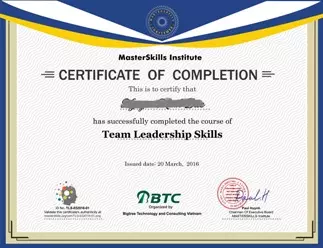
Chứng nhận hoàn thành khóa học
Học viên đáp ứng yêu cầu tham dự và thực hành được Masterskills cấp chứng nhận hoàn thành chương trình.
8. Đội ngũ giảng viên
Giảng viên và chuyên gia Masterskills có kinh nghiệm quản lý, tư vấn và đào tạo thực tế trong lĩnh vực phù hợp với nội dung chương trình.

TS. Thái Trí Dũng
Chuyên gia quản lý nhân sự & tâm lý hành vi. Lãnh đạo, tâm lý quản trị, đàm phán, văn hóa và hành vi tổ chức.

MBA. Vũ Lai Đoan Trang
Chuyên gia phát triển nguồn nhân lực & lãnh đạo. Phát triển lãnh đạo, learning & development, dịch vụ khách hàng và vận hành tổ chức.
9. Hồ sơ năng lực Masterskills
Năng lực đào tạo, lĩnh vực chuyên môn, phương pháp triển khai và kinh nghiệm đồng hành cùng doanh nghiệp của Masterskills.
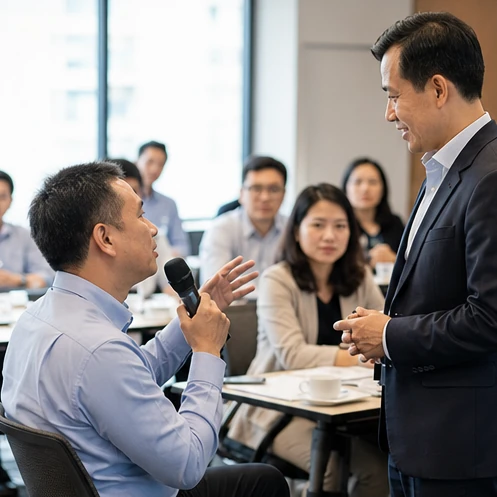
Nhận xét của khách hàng
Xem thêm nhận xét khách hàng“Khóa học Giao Tiếp Trong Môi Trường Đa Văn Hóa có nội dung thực tế, hoạt động thực hành bám sát công việc và cách hướng dẫn rõ ràng. Giảng viên giúp học viên sử dụng công cụ phù hợp, phân tích tình huống và xây dựng phương án có thể áp dụng vào công việc sau chương trình.”
10. Các khách hàng tiêu biểu
Một số chương trình đào tạo thực tế có nội dung gần với chủ đề khóa học đã được Masterskills triển khai cho doanh nghiệp.
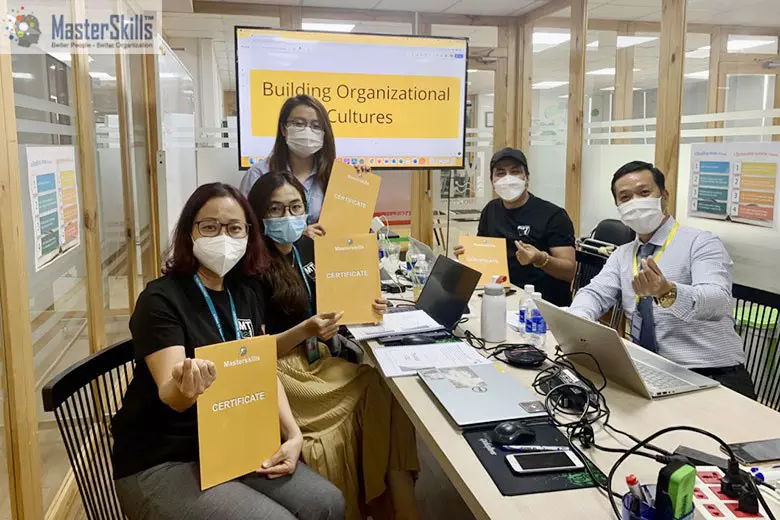 CNTT - Viễn thôngTổ chức khóa học Xây Dựng Văn Hóa Doanh Nghiệp tại Công ty MTI Technology Vietnam - Tp.HCM.
.webp) Sản xuất - Bảo trìTổ chức khóa học Kỹ Năng Giao Tiếp Cho Đội Ngũ Sản Xuất tại Công Ty Dopla Châu Á - Vũng Tàu.
Sản xuất - Bảo trìTổ chức khóa học Kỹ Năng Giao Tiếp Cho Đội Ngũ Sản Xuất tại Công Ty Dopla Châu Á - Vũng Tàu.
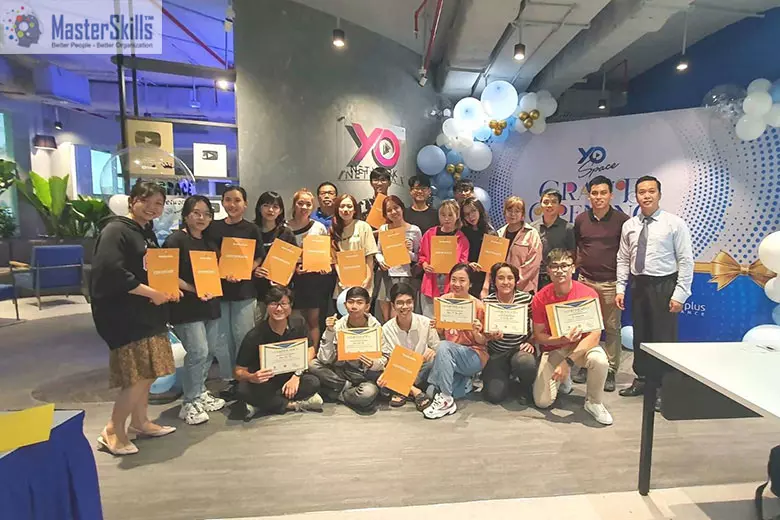 CNTT - Viễn thôngTổ chức khóa học Kỹ Năng Giao Tiếp & Kiểm Soát Cảm Xúc tại Cổ Phần Viễn Thông Tuổi Trẻ – Tp.HCM.
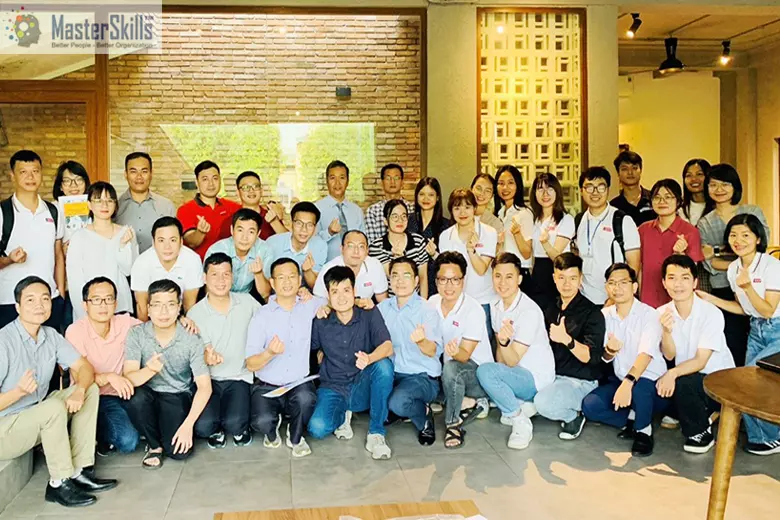 CNTT - Viễn thôngTổ chức khóa học Kỹ Năng Giao Tiếp & DVKH tại Công ty CP DV iERP – Hà Nội.
.webp) Thương mại - Dịch vụTổ chức khóa học Kỹ Năng Giao Tiếp Hiệu Quả tại Công ty Thương Mại Phượng Long – Tp.HCM.
Thương mại - Dịch vụTổ chức khóa học Kỹ Năng Giao Tiếp Hiệu Quả tại Công ty Thương Mại Phượng Long – Tp.HCM.
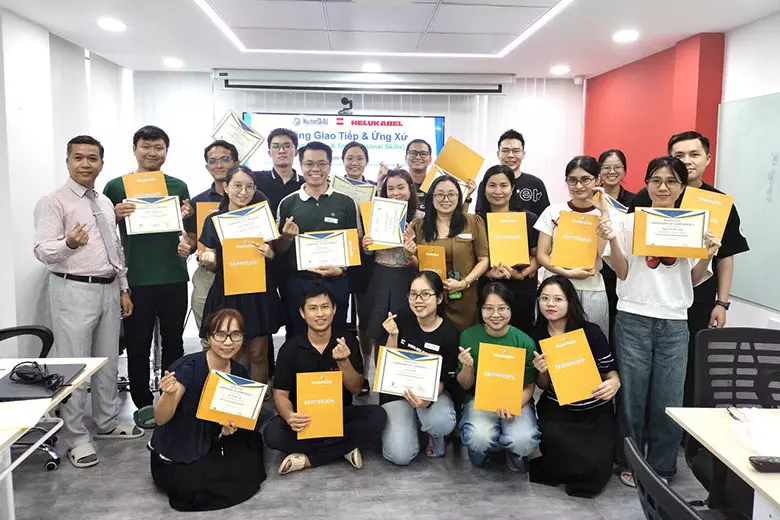 Sản xuất - Bảo trìTổ chức khóa học Kỹ Năng Giao Tiếp & Ứng Xử tại Công ty HELUKABEL VietNam – Tp.HCM.
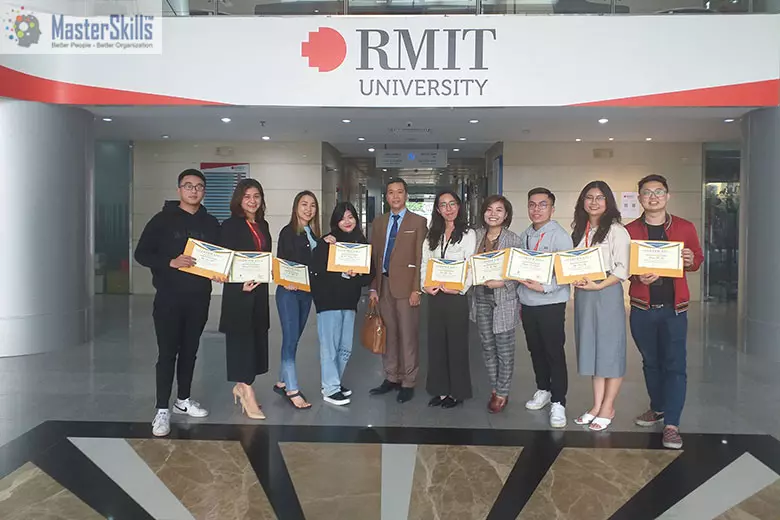 Giáo dục - Đào tạoTổ chức khóa học Tâm Lý & Hành Vi Khách Hàng tại Đại Học RMIT – Tp.Hà Nội.
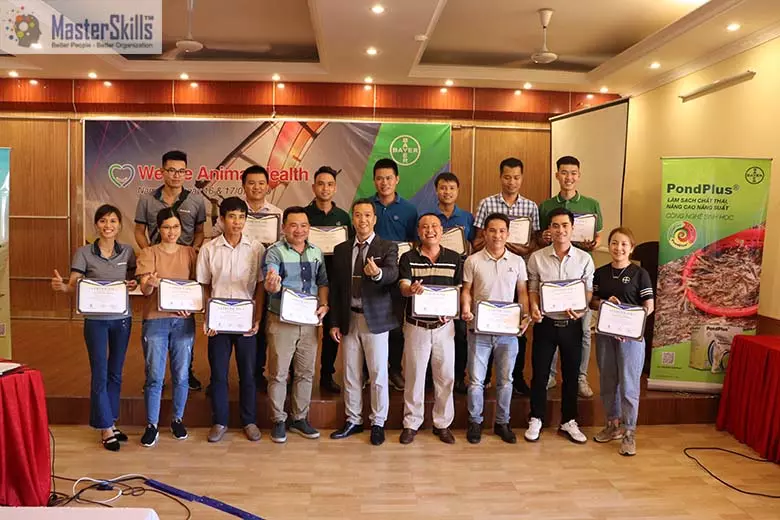 Bệnh viện - Dược phẩmTổ chức khóa học Tâm Lý & Hành Vi Khách Hàng tại Công Ty Bayer VietNam – Nam Định.
Sẵn sàng phát triển giao tiếp trong môi trường đa văn hóa cho đội ngũ?
Chuyên gia Masterskills sẵn sàng tư vấn chương trình Giao Tiếp Trong Môi Trường Đa Văn Hóa phù hợp mục tiêu doanh nghiệp.