
Proprietary Course MaterialsStandardized content updated in line with the course objectives.








Course
Active Listening Skills
Active Listening Skills
This course helps participants maintain attention, understand both messages and emotions accurately, and improve the quality of communication and work coordination.
Table of Contents
1. Course Overview
Nhieu discrepancies in work not bat nguon from thieu thong tin ma from viec people nghe with suy dien, chuan bi phan bien or chi chu y to phan minh muon nghe. Dieu nay lam giam su tin cay, keo dai thoi gian xu ly and khien the cuoc trao doi to di lech goals.
The course “Active Listening Skills” The program helps participants understand how listening works, identify barriers, observe verbal and nonverbal signals, ask clarifying questions, and respond with empathy. Practice activities use workplace communication scenarios.
Participants need to ap dung ky thuat listening to nam bat thong tin chinh xac hon, giam hieu lam, ho tro dong nghiep or khach hang tot hon and tao nen tang for the cuoc trao doi mang tinh collaboration.
2. Learning Objectives
- Identify su khac biet giua nghe thu dong and listening tich cuc.
- Xac dinh the rao need to from dinh kien, emotions, moi truong and thoi quen communication ca nhan.
- Maintain su chu y and quan sat dong thoi content, giong dieu and tin hieu phi ngon ngu.
- Use questions and ky thuat dien giai to kiem tra muc do hieu dung thong tin.
- Give feedback empathy ma not with phan xet, ap dat or chuyen key point sang ban than.
- Apply listening tich cuc in coordination, dich vu khach hang and xu ly trao doi kho.
3. Target Participants
- Management and team leadersNeed to hieu needs, kho khan and dong luc of employees truoc when dua ra direction.
- Employees dich vu, sales and cham soc khach hangOften xuyen tiep nhan yeu cau, phan anh or emotions from khach hang.
- Personnel lam viec lien phong banNeed to giam hieu lam and nang cao quality coordination in the cuoc trao doi work.
- Ca nhan muon cai thien communicationWant to build thoi quen chu y, thau hieu and feedback respect in quan he nghe nghiep.
4. Course Outline
Sau phan content di from nen tang and rao need to listening to ky thuat quan sat, lam ro, feedback empathy and application in the scenario work.
PART 01Nen Tang Ve Listening Tich Cuc
- Khai niem listening tich cuc noi cong so.
- Vai tro listening in communication effective.
- Distinguish nghe, listening, thau hieu.
- Listen tao trust and collaboration.
- Tu duy hieu truoc when feedback.
- Cac loi pho bien when listening.
- Example hieu sai vi nghe chua du.
- Discussion thoi quen listening hien tai.
PART 02Identify Rao need to when Listening
- Xao nhang do work and thiet bi.
- Thanh kien ca nhan lam meo thong tin.
- Voi conclusion truoc when nghe het.
- Ngat loi when doi phuong dang chia se.
- Phan ung phong thu in trao doi stress.
- Identify emotions influence to listening.
- Exercise phat hien rao need to ca nhan.
- Practice control xao nhang when nghe.
PART 03Ky Thuat Listening and Quan Sat Tin Hieu
- Maintain anh mat and from the coi mo.
- Gat dau, feedback ngan to khuyen khich.
- Nghe content, emotions, needs an.
- Quan sat giong noi and ngon ngu co the.
- Tam dung truoc when dua y kien ca nhan.
- Use im lang to tao space chia se.
- Case scenario speaker vong vo, thieu key point.
- Practice listening ba tang thong tin.
PART 04Dat questions and Lam Ro Thong Tin
- Ask questions mo to khai thac sau.
- Ask questions dong to xac nhan content.
- Hoi trung develop, tranh dan dat doi phuong.
- Clarify boi canh, nguyen nhan, expectations.
- Tom tat lai to kiem tra su hieu dung.
- Apply 5W1H in hoi thoai work.
- Example hieu nham do not hoi lai.
- Exercise chuyen questions dong thanh mo.
PART 05Phan Hoi Dong Cam and Xu Ly Trao Doi Kho
- The hien empathy using loi noi appropriate.
- Give feedback dua tren thong tin da nghe.
- Tranh phan xet when people khac boc lo emotions.
- Xac nhan emotions truoc when to xuat giai phap.
- Giu calm when nghe y kien trai chieu.
- Use mo hinh Listen – Clarify – Respond.
- Case scenario employees phan anh buc xuc.
- Practice feedback in hoi thoai kho.
PART 06Apply Listening Tich Cuc in work
- Listen in hop and coordination nhom.
- Listen when management feedback employees.
- Listen khach hang to hieu needs.
- Listen in conflict management noi bo.
- Recognize thong tin and hanh dong tiep theo.
- Build van hoa listening in team.
- Develop checklist listening tich cuc hang ngay.
- Cam ket ap dung vao scenario practical.
5. Training Methodology
Classes are delivered in small, learner-centered groups. Instructors provide concise input, then facilitate discussions, scenario-based practice, feedback, and reflection so participants can translate knowledge into practical workplace behaviors.
Group Discussions
Individual Exercises
Group Presentations
Brainstorming Techniques
Guided Practice with the Instructor
Experiential Projects
In-Class Activities
Role-Playing Activities
Class Presentations
6. Class Information
| Expected Start Date | Schedule | Class Hours | Location | Tuition Fee | Registration |
|---|---|---|---|---|---|
| To Be Announced | Saturday – Sunday | 08:30 – 16:30 | Ho Chi Minh City | VND 4,500,000 | Registration |
| To Be Announced | Monday – Thursday | 18:00 – 21:30 | Hanoi | VND 4,500,000 | Registration |
10% discount: registration at least 15 days in advance, groups of three or more participants, or loyal clients.Reserve a Seat
Note: The schedule above is provisional and may be adjusted based on enrollment, class arrangements, and the actual training plan. Masterskills will confirm the official schedule with participants before the course begins.
- Duration: 2 days / 4 sessions; maximum 35 participants per class.
- Ho Chi Minh City: 224 Dien Bien Phu Street, Ban Co Ward, Ho Chi Minh City.
- Hanoi: 51 Le Dai Hanh Street, Hai Ba Trung Ward, Hanoi.
- Corporate in-house training: Delivered at the client’s office or factory; pricing depends on the design scope, location, and class size.
- Additional costs: Instructor travel and accommodation costs are determined by the delivery location, where applicable.
7. Learning Materials & Certification
Participants receive proprietary course materials developed by Masterskills, practical handouts, self-assessment forms, and reference materials aligned with real business situations.
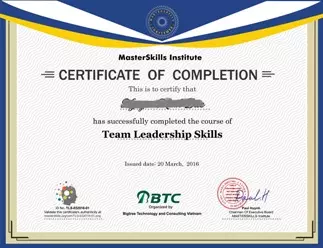
Course Completion Certificate
Participants who meet the attendance and practical requirements receive a Masterskills certificate of program completion.
8. Faculty
Masterskills instructors and experts bring practical management, consulting, and training experience relevant to the program content.

Dr. Thai Tri Dung
Human resource management and behavioral psychology expert specializing in leadership, managerial psychology, negotiation, culture, and organizational behavior.

MBA. Vu Lai Doan Trang
Chuyen gia develop nguon nhan luc & leadership. develop leadership, learning & development, dich vu khach hang and van hanh organization.
9. Masterskills Corporate Profile
An overview of Masterskills’ training capabilities, areas of expertise, delivery methodology, and experience partnering with organizations.
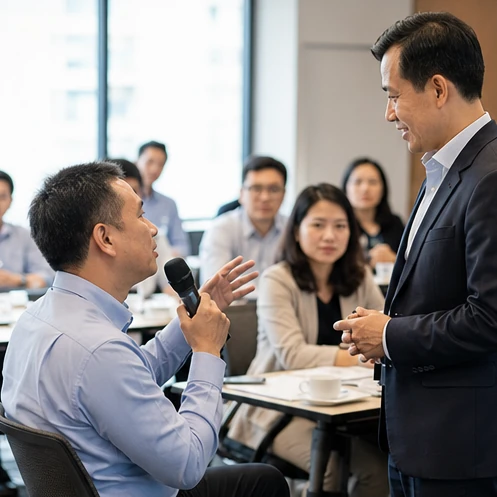
Client Testimonials
View More Client Testimonials“The Active Listening Skills course provides practical content, workplace-relevant activities, and clear facilitation. Instructors help participants use appropriate tools, analyze situations, and develop solutions they can apply after the program.”
10. Selected Clients
Masterskills has delivered a number of corporate training programs with content closely related to this course topic.
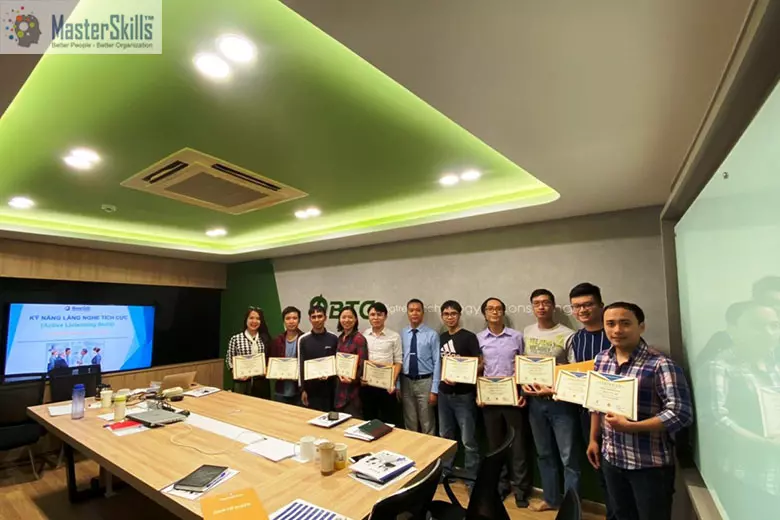 Active Listening SkillsCompany BigTree Technology & Consulting - Ho Chi Minh City
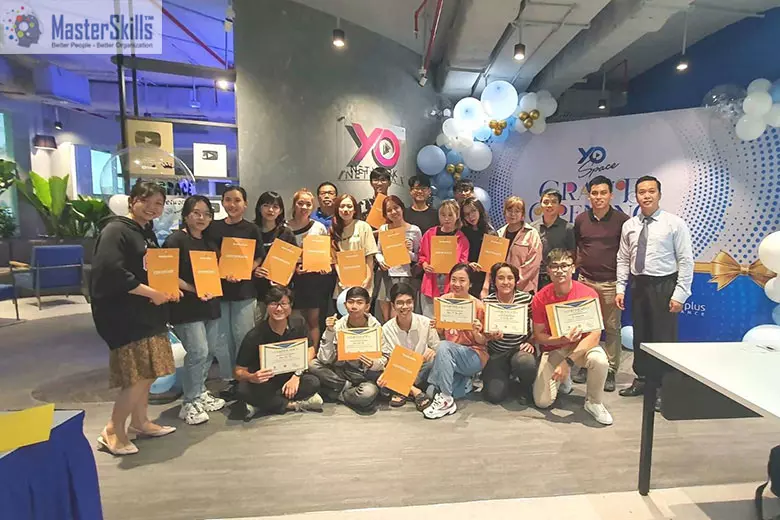 Communication and Emotional Control SkillsJoint Stock Company Youth Telecommunications – Ho Chi Minh City
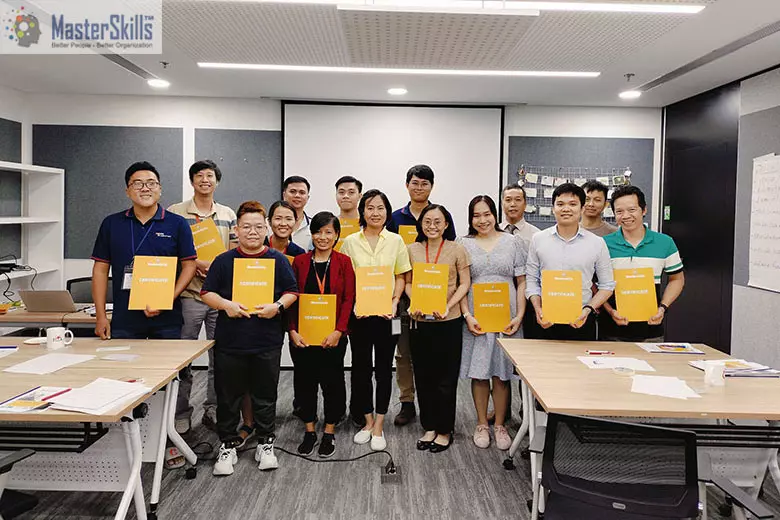 Listening and Questioning SkillsCompany CNTT ELCA VietNam – Ho Chi Minh City
 Mindset Tich CucCompany Behn Meyer Agricare VietNam – Ho Chi Minh City
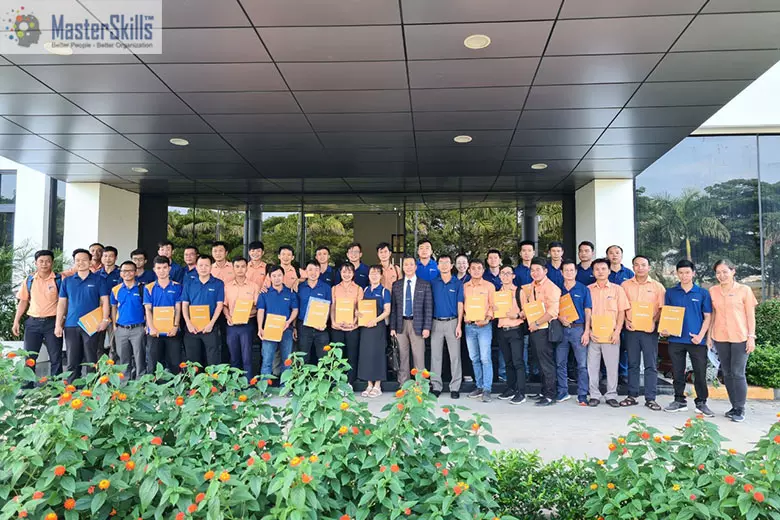
.webp) Communication Skills for Production TeamsCompany Dopla Chau A - Vung Tau
Communication Skills for Production TeamsCompany Dopla Chau A - Vung Tau
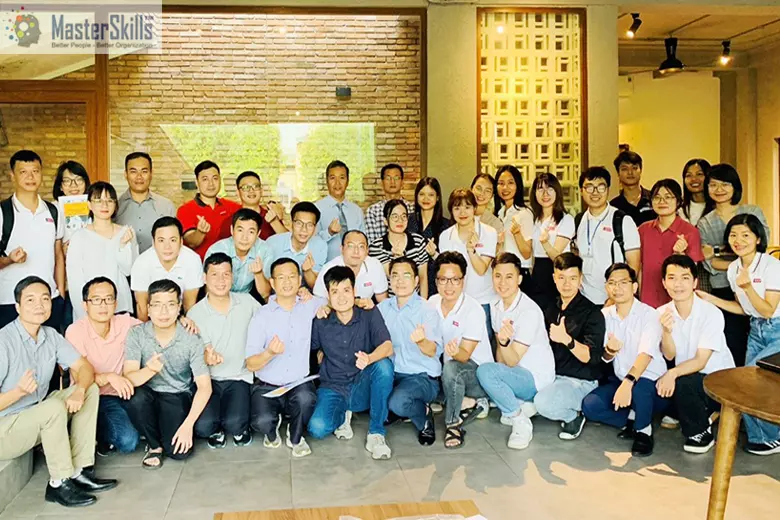 Customer Service Communication SkillsJSC DV iERP – Ha Noi
.webp) Effective Communication SkillsCompany Thuong Mai Phuong Long – Ho Chi Minh City
Effective Communication SkillsCompany Thuong Mai Phuong Long – Ho Chi Minh City
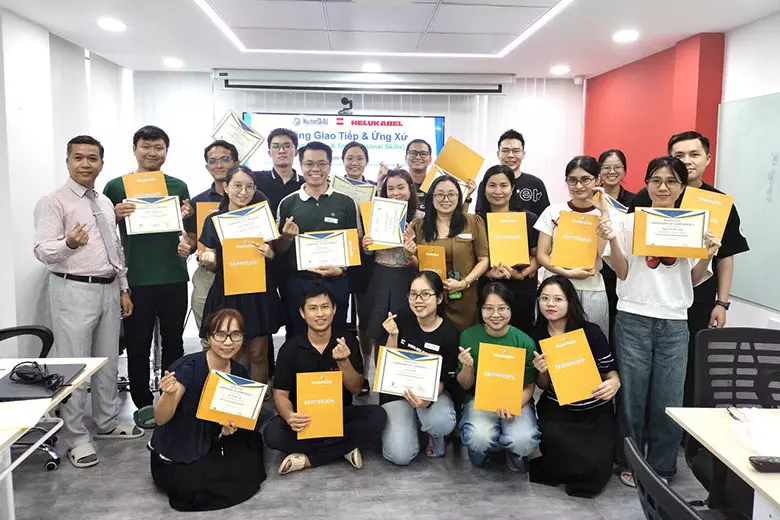 Communication and Interpersonal SkillsCompany HELUKABEL VietNam – Ho Chi Minh City
Ready to develop skills listening tich cuc capabilities for your team?
Masterskills experts are ready to advise on a Active Listening Skills program aligned with your organization’s objectives.