
Proprietary Course MaterialsStandardized content updated in line with the course objectives.








Course
Logical Thinking Skills
Logical Thinking Skills
The program helps participants organize information, identify cause-and-effect relationships, and build consistent reasoning to solve workplace issues.
Table of Contents
1. Course Overview
Khi data nhieu, yeu cau change and y kien khac nhau, people lam viec to nham lan giua su kien with assumptions, xu ly trieu chung thay vi nguyen nhan or trinh bay conclusion thieu need to cu. from duy logic giup tao trat from for thong tin truoc when selection hanh dong.
The course “Logical Thinking Skills” The program guides participants to structure problems, analyze relationships, test reasoning, compare solutions, and present their thinking in a clear sequence. The tools are applied to reporting, decision-making, and work coordination scenarios.
After the course, participants can analyze problems more clearly, reduce intuitive assumptions, explain proposals with appropriate evidence, and improve decision quality within their work scope.
2. Learning Objectives
- Distinguish facts, assumptions, y kien and conclusion in a scenario work.
- Phan ra van to thanh the thanh phan co quan he clear and not set of sot in yeu.
- Phan tich nguyen nhan–results and kiem tra the moi lien he co thuc su hop ly.
- Identify loi reasoning, mau thuan and khoang in evidence in trao doi or bao cao.
- So sanh solution according to tieu chi and dua decision-making co need to cu.
- Trinh bay thong tin according to cau truc logic to people nghe to hieu and to hanh dong.
3. Target Participants
- Management and team leadersNeed to problem analysis, danh gia to xuat and dua decision-making nhat quan.
- Chuyen vien phan tich, plan and du anOften xuyen xu ly nhieu nguon data and trinh bay khuyen nghi.
- Employees van phong and nghiep vuNeed to cai thien cach giai quyet van de, viet bao cao and trao doi work.
- Personnel tiem nang or new managersWant to build nen tang mindset co cau truc truoc when dam nhiem responsibility cao hon.
4. Course Outline
The content includes six parts, from logical foundations and information structure to cause analysis, reasoning, decision-making, and application to work performance.
PART 01Mindset Ve Logic
- Khai niem logical thinking in organization.
- Vai tro logic in giai quyet van de.
- Khac biet giua cam tinh and logic.
- Tu duy co cau truc when xu ly thong tin.
- Moi lien he giua facts and conclusion.
- Sai lam pho bien when inference with vang.
- Case scenario: Ket luan sai do thieu data.
- Discussion: Thoi quen mindset hien tai.
PART 02Identify Van to and Cau Truc Thong Tin
- Xac dinh van to chinh need to giai quyet.
- Distinguish hien tuong, nguyen nhan, he qua.
- Thu thap facts lien quan, dang tin cay.
- Sap xep thong tin according to nhom logic.
- Loai set of thong tin nhieu, not need to thiet.
- Cong cu: Cay van to in phan tich.
- Example: Bao cao nhieu so lieu thieu key point.
- Exercise: Phan nhom thong tin scenario.
PART 03Phan Tich Nguyen Nhan and Moi Quan He Logic
- Ask questions to dao sau nguyen nhan.
- Distinguish tuong quan and quan he nhan qua.
- Use 5 Why in problem analysis.
- Apply xuong ca to nhom nguyen nhan.
- Identify assumptions an in reasoning.
- Check tinh nhat quan of facts.
- Case scenario: Loi develop lai chua ro nguyen nhan.
- Practice: Phan tich root cause re.
PART 04Build Develop Luan and Trinh Bay Co Logic
- Xac dinh message chinh need to truyen dat.
- Sap xep luan diem according to trinh from hop ly.
- Connect luan cu, evidence, conclusion.
- Apply mo hinh PREP when trinh bay.
- Tranh vong vo, trung develop, thieu key point.
- Ky thuat: Kim from thap in bao cao.
- Example: Trinh bay to xuat with cap tren.
- Exercise: Viet reasoning ngan, ro y.
PART 05Ra Quyet Dinh Dua Tren Logical Thinking
- Clarify goals quyet dinh need to dat.
- Xac dinh the solution need to chon.
- Evaluate solution according to tieu chi specific.
- Can nhac loi ich, cost, risk.
- Tranh thien kien ca nhan when selection.
- Cong cu: Ma tran decision-making.
- Case scenario: Chon giai phap when thieu nguon luc.
- Practice: Evaluate solution hanh dong.
PART 06Apply Logical Thinking Vao performance work
- Apply logic in bao cao work.
- Giai quyet xung dot using facts khach quan.
- Improve communication the Phong Ban clear.
- Optimize process using phan tich logic.
- Build thoi quen kiem chung truoc conclusion.
- Vai tro management in dan dat logical thinking.
- Commitment: three actions after the course.
- Exercise cuoi: Ke hoach ap dung practical.
5. Training Methodology
Classes are delivered in small, learner-centered groups. Instructors provide concise input, then facilitate discussions, scenario-based practice, feedback, and reflection so participants can translate knowledge into practical workplace behaviors.
Group Discussions
Individual Exercises
Group Presentations
Brainstorming Techniques
Guided Practice with the Instructor
Experiential Projects
In-Class Activities
Role-Playing Activities
Class Presentations
6. Class Information
| Expected Start Date | Schedule | Class Hours | Location | Tuition Fee | Registration |
|---|---|---|---|---|---|
| To Be Announced | Saturday – Sunday | 08:30 – 16:30 | Ho Chi Minh City | VND 4,500,000 | Registration |
| To Be Announced | Monday – Thursday | 18:00 – 21:30 | Hanoi | VND 4,500,000 | Registration |
10% discount: registration at least 15 days in advance, groups of three or more participants, or loyal clients.Reserve a Seat
Note: The schedule above is provisional and may be adjusted based on enrollment, class arrangements, and the actual training plan. Masterskills will confirm the official schedule with participants before the course begins.
- Duration: 2 days / 4 sessions; maximum 35 participants per class.
- Ho Chi Minh City: 224 Dien Bien Phu Street, Ban Co Ward, Ho Chi Minh City.
- Hanoi: 51 Le Dai Hanh Street, Hai Ba Trung Ward, Hanoi.
- Corporate in-house training: Delivered at the client’s office or factory; pricing depends on the design scope, location, and class size.
- Additional costs: Instructor travel and accommodation costs are determined by the delivery location, where applicable.
7. Learning Materials & Certification
Participants receive proprietary course materials developed by Masterskills, practical handouts, self-assessment forms, and reference materials aligned with real business situations.
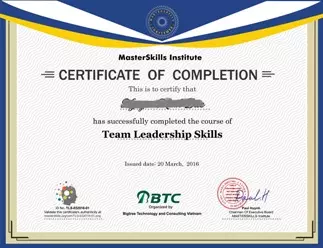
Course Completion Certificate
Participants who meet the attendance and practical requirements receive a Masterskills certificate of program completion.
8. Faculty
Masterskills instructors and experts bring practical management, consulting, and training experience relevant to the program content.

MBA. Paul Huynh
Leadership and capability development expert specializing in management skills, critical thinking, execution leadership, and coaching.

MBA. Nguyen Huu Thai Hoa
Chuyen gia chien luoc & chuyen doi so. Chien luoc tap doan, chuyen doi so, doi moi mo hinh kinh doanh and tang truong.
9. Masterskills Corporate Profile
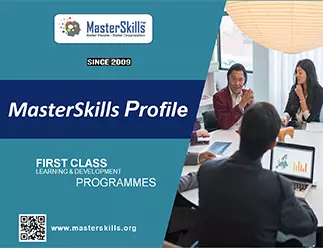
An overview of Masterskills’ training capabilities, areas of expertise, delivery methodology, and experience partnering with organizations.

Client Testimonials
View More Client Testimonials“The Logical Thinking Skills course provides practical content, workplace-relevant activities, and clear facilitation. Instructors help participants use appropriate tools, analyze situations, and develop solutions they can apply after the program.”
10. Selected Clients
Masterskills has delivered a number of corporate training programs with content closely related to this course topic.
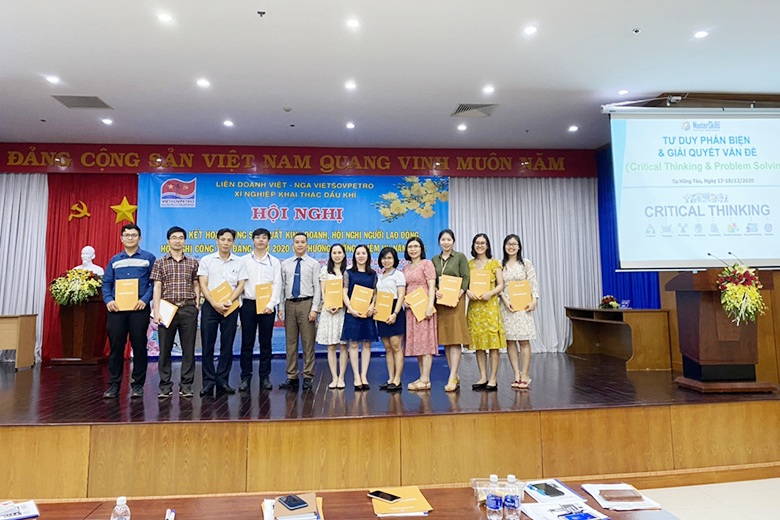 Critical Thinking and Problem-Solving SkillsXi Nghiep Khai Thac Petroleum Power VietsoPetro – Vung Tau
.webp) Negotiation and Problem-Solving SkillsCompany Sapporo Vietnam - Ho Chi Minh City
Negotiation and Problem-Solving SkillsCompany Sapporo Vietnam - Ho Chi Minh City
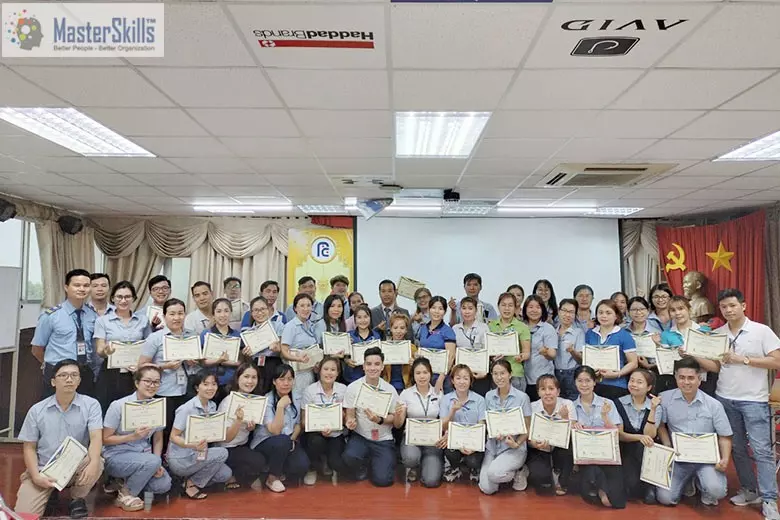 Problem-Solving SkillsCompany Far Eastern Apparel Viet Nam (FEAV) – Province Binh Duong
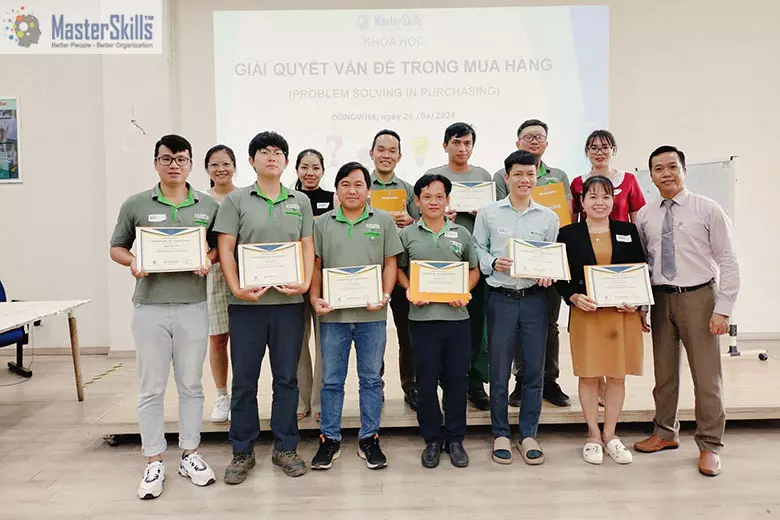 Giai Quyet Van to in PurchasingCompany go MDF VRG Dongwha - Province Binh Phuoc
.webp) Problem-Solving Skills & Ra Quyet DinhKhach San New World (ITC) - Ho Chi Minh City
Problem-Solving Skills & Ra Quyet DinhKhach San New World (ITC) - Ho Chi Minh City
 Problem-Solving SkillsJSC Tuyen Dung Nhan Tai (HR2B) – Ho Chi Minh City
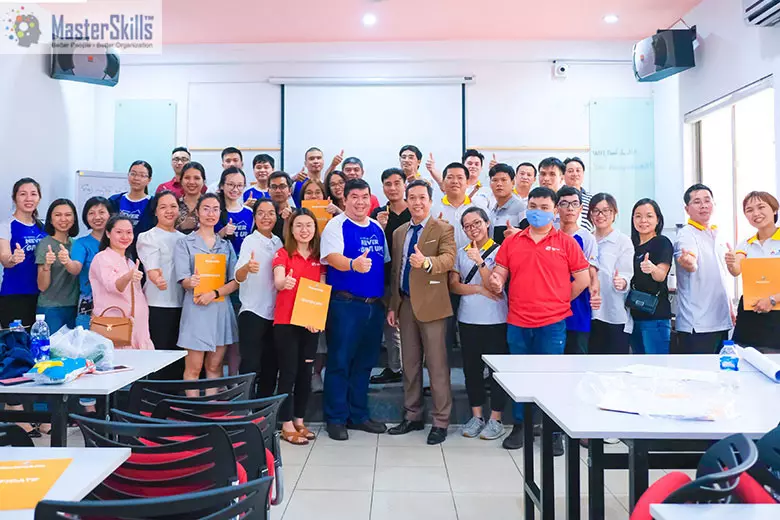 Logical Thinking SkillsCompany Joint Stock Company TPL Shipping – Ho Chi Minh City
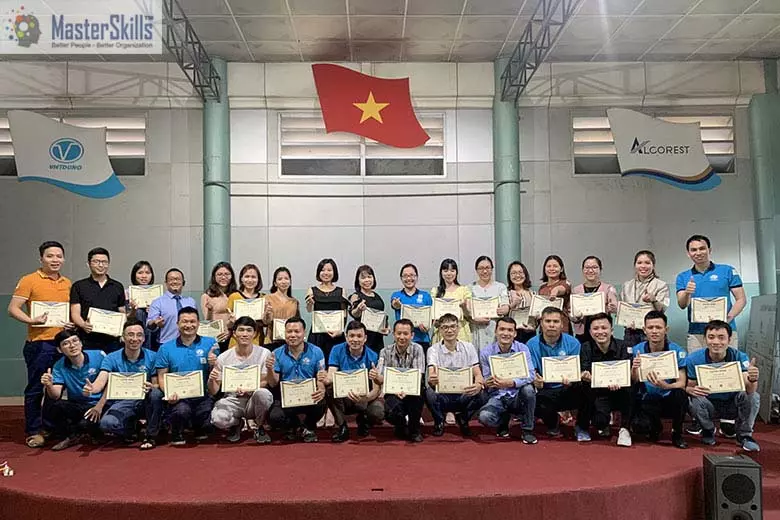 Giai Quyet Khieu Nai Khach HangCompany Joint Stock Company Nhom Viet Dung – Ho Chi Minh City
Related Courses

Problem-Solving SkillsDevelop skills giai quyet van de capabilities through real business scenarios.

Critical Thinking Mindset SkillsDevelop skills mindset phan bien capabilities through real business scenarios.

Active Listening SkillsDevelop skills listening tich cuc capabilities through real business scenarios.

Creative Mindset SkillsDevelop skills mindset sang tao capabilities through real business scenarios.

Suc Manh Thai Do Tich CucDevelop suc manh thai do tich cuc capabilities through real business scenarios.

Strategic Mindset SkillsDevelop skills mindset chien luoc capabilities through real business scenarios.
Ready to develop skills logical thinking capabilities for your team?
Masterskills experts are ready to advise on a Logical Thinking Skills program aligned with your organization’s objectives.