
Proprietary Course MaterialsStandardized content updated in line with the course objectives.
Course
Applying Lean in Warehouse Management
Lean for Warehouse Management
The program giup team kho identify waste, toi uu layout and flow goods, standardization work and build mechanisms continuous improvement based on Lean.
Table of Contents
1. Course Overview
Warehouses generate waste through unnecessary movement, waiting, unsuitable layout, inconsistent operations, inventory discrepancies, and non-standard work. These wastes lengthen handling time, increase cost, and reduce service accuracy.
The course “Applying Lean in Warehouse Management” guides participants in observing flows, identifying waste, and improving from layout to receiving, recordkeeping, picking, and dispatch operations. 5S principles, visual management, and work standardization are applied in the warehouse context.
Through workplace exercises and scenarios, participants build improvement plans based on data, performance indicators, and practical needs in each warehouse area.
2. Learning Objectives
- Understand principles Lean and identify the loai waste in activities kho.
- Phan tich layout, quang duong di chuyen and flow goods.
- Apply 5S, management visual and standardization work tai kho.
- Improve activities nhap, recordkeeping, picking and dispatch.
- Control inventory, discrepancies and quality in process van hanh.
- Establish chi so and plan continuous improvement for warehouse area.
3. Target Participants
- Employees kho and employees van hanh materialsDirectly implementation nhap, arrangement, lay, kiem dem and dispatch.
- To truong, supervisors and management khoResponsible for layout, nang suat, do chinh xac, safety and discipline van hanh.
- Personnel inventory, logistics and supply chainNeed to coordination cai thien dong hang, muc ton and thoi gian meet requirements.
- Personnel Lean, improvement and qualityHo tro identify waste, standardization and follow up on effective improvement tai kho.
4. Course Outline
The content focuses on waste identification, layout and flow optimization, 5S, work standardization, inventory control, and improvement measurement.
PART 01Nen Tang Lean in Warehouse Management
- Concept of Lean in activities warehouse.
- The role of kho in supply chain tinh gon.
- Tu duy tao values based on needs khach hang.
- Differences between activities thiet and waste.
- Moi lien he inventory, flow, cost.
- Model Lean ap stops for van hanh kho.
- Scenario: Kho ban ron but delivery cham.
- Practice identify van to Lean in kho.
PART 02Identify Lang Phi in Hoat Dong Kho
- Bay loai waste in van hanh kho.
- Di chuyen s when picking, receiving.
- Cho doi do shortage thong tin, documents.
- Inventory du gay chiem dien tich recordkeeping.
- Sai defects picking, packing, handover.
- Techniques for quan sat hien truong using Gemba.
- Example waste in process dispatch.
- Practice develop danh sach waste kho.
PART 03Toi Uu Layout and Dong Chay Hang Hoa
- Phan tich luong nhap, luu, dispatch.
- Set of tri khu vuc based on tan suat su stops.
- Reduce intersections among people, goods, and equipment.
- Apply Spaghetti Diagram do di chuyen.
- Design vi tri hang nhanh, cham luan chuyen.
- Process for improvement layout based on data.
- Scenario: employees mat thoi gian tim hang.
- Practice phac thao layout kho improvement.
PART 04Apply 5S and Standardization work Kho
- Sort vat stops not in kho.
- Set in Order vi tri based on principles to thay.
- Shine khu vuc recordkeeping and defects di.
- Standardize nhan, ma, vi tri, bieu mau.
- Maintain 5S using kiem tra periodic.
- Checklist operations nhap, xuat, kiem hang.
- Scenario: Kho gon after 5S roi lai roi.
- Practice thiet ke using kiem 5S kho.
PART 05Control inventory and quality Dong Chay
- Classify hang ton based on ABC.
- Establish minimum inventory level, toi da.
- Control FIFO, FEFO based on dac thu hang.
- Reduce slow-moving stock and defects thoi.
- Stocktaking xoay vong thay for stocktaking don.
- Monitor discrepancies inventory using chi so.
- Scenario: So ton stops but practical lech.
- Practice develop a plan control inventory.
PART 06Do Luong performance and Improvement Lien Tuc
- Chi so nang suat nhap, xuat, picking.
- Do thoi gian handle orders in kho.
- Monitor ty le sai defects and giao stops han.
- Apply Kaizen for bottlenecks kho.
- Hop improvement ngan tai hien truong.
- Dashboard follow up on performance warehouse.
- Scenario: Improve kho shortage so lieu chung minh.
- Practice develop a plan Lean for kho.
5. Training Methodology
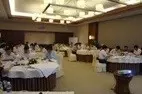
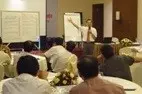
Classes are delivered in small, learner-centered groups. Instructors provide concise input, then facilitate discussions, scenario-based practice, feedback, and reflection so participants can translate knowledge into practical workplace behaviors.
Group Discussions Individual Exercises Group Presentations Brainstorming Techniques Guided Practice with the Instructor Experiential Projects In-Class Activities Role-Playing Activities Class Presentations
6. Class Information
| Expected Start Date | Schedule | Class Hours | Location | Tuition Fee | Registration |
|---|---|---|---|---|---|
| To Be Announced | Saturday – Sunday | 08:30 – 16:30 | Ho Chi Minh City | VND 4,500,000 | Registration |
| To Be Announced | Monday – Thursday | 18:00 – 21:30 | Hanoi | VND 4,500,000 | Registration |
10% discount: registration at least 15 days in advance, groups of three or more participants, or loyal clients.Reserve a Seat
Note: The schedule above is provisional and may be adjusted based on enrollment, class arrangements, and the actual training plan. Masterskills will confirm the official schedule with participants before the course begins.
- Duration: 2 days / 4 sessions; maximum 35 participants per class.
- Ho Chi Minh City: 224 Dien Bien Phu Street, Ban Co Ward, Ho Chi Minh City.
- Hanoi: 51 Le Dai Hanh Street, Hai Ba Trung Ward, Hanoi.
- Corporate in-house training: Delivered at the client’s office or factory; pricing depends on the design scope, location, and class size.
- Additional costs: Instructor travel and accommodation costs are determined by the delivery location, where applicable.
7. Learning Materials & Certification
Participants receive proprietary course materials developed by Masterskills, practical handouts, self-assessment forms, and reference materials aligned with real business situations.
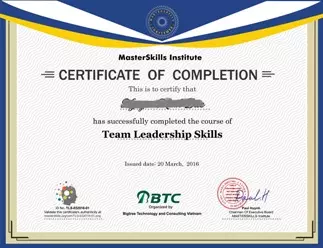
Course Completion Certificate
Participants who meet the attendance and practical requirements receive a Masterskills certificate of program completion.
8. Faculty
Masterskills instructors and experts bring practical management, consulting, and training experience relevant to the program content.

TS. Le Van Bay
Logistics and supply chain expert specializing in supply chain management, purchasing, import-export, and logistics optimization.

MBA. Nguyen Thanh Binh
Production management expert specializing in Lean Manufacturing, TPM, 5S–Kaizen, and frontline manager development.
9. Masterskills Corporate Profile
An overview of Masterskills’ training capabilities, areas of expertise, delivery methodology, and experience partnering with organizations.
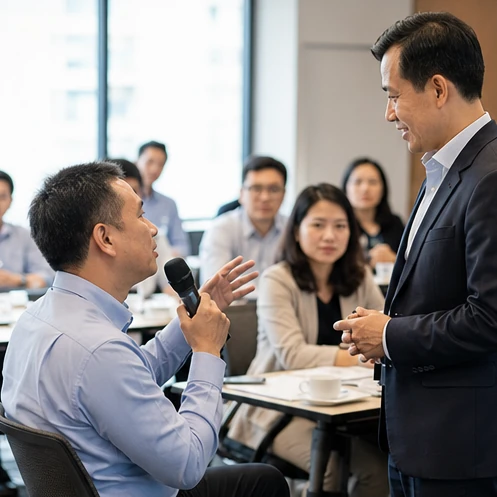
Client Testimonials
View More Client Testimonials“The Applying Lean in Warehouse Management course provides practical content, workplace-relevant activities, and clear facilitation. Instructors help participants use appropriate tools, analyze situations, and develop solutions they can apply after the program.”
10. Selected Clients
Masterskills has delivered a number of corporate training programs with content closely related to this course topic.
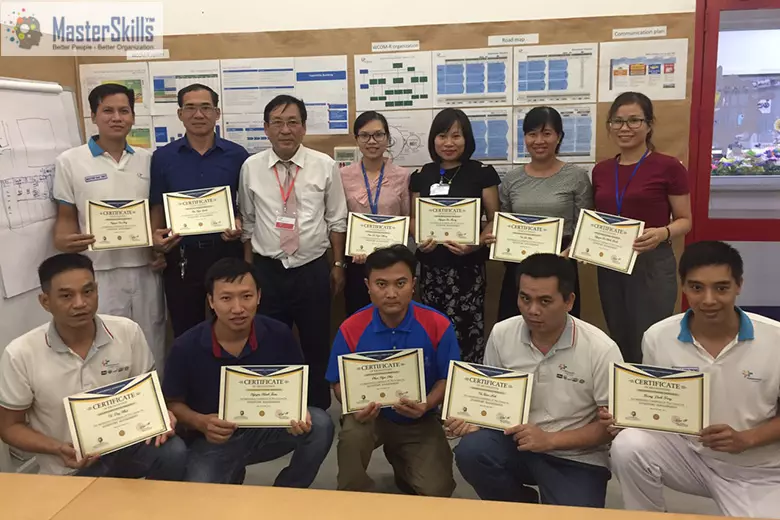 Warehouse ManagementCompany Friesland Campina – Ha Nam
 .webp) Hanh Trinh Trai Nghiem Khach HangMilitary Bank (MB Bank) – Ho Chi Minh City
Hanh Trinh Trai Nghiem Khach HangMilitary Bank (MB Bank) – Ho Chi Minh City 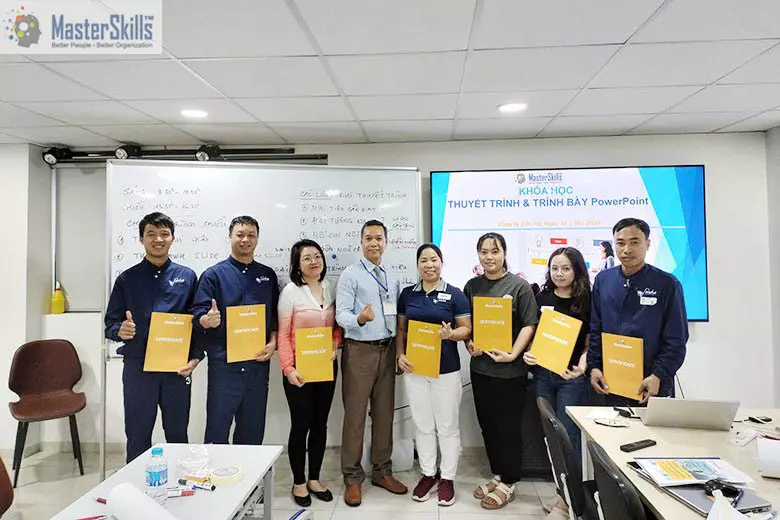 Presentation SkillsCompany Huong Gia Vi Son Ha - Ho Chi Minh City
 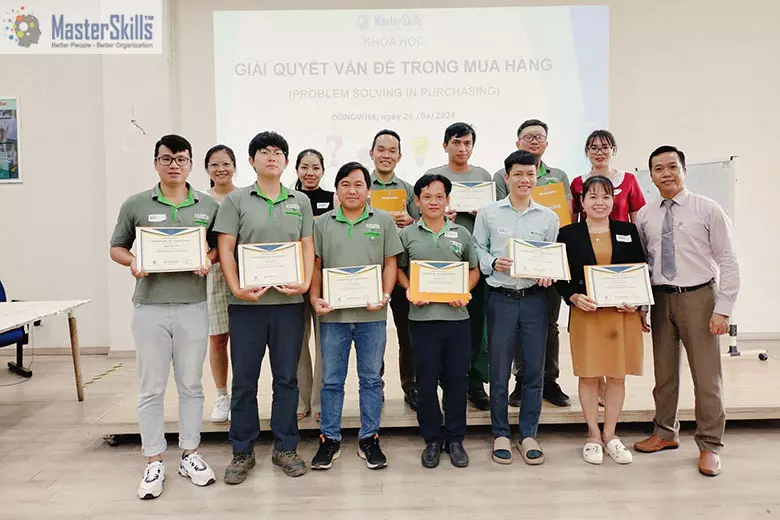 Problem Solving in PurchasingCompany go MDF VRG Dongwha - Province Binh Phuoc
 .webp) Industrial Maintenance Management - TPMCompany Aviation Fuel (Skypec) - Ho Chi Minh City
Industrial Maintenance Management - TPMCompany Aviation Fuel (Skypec) - Ho Chi Minh City 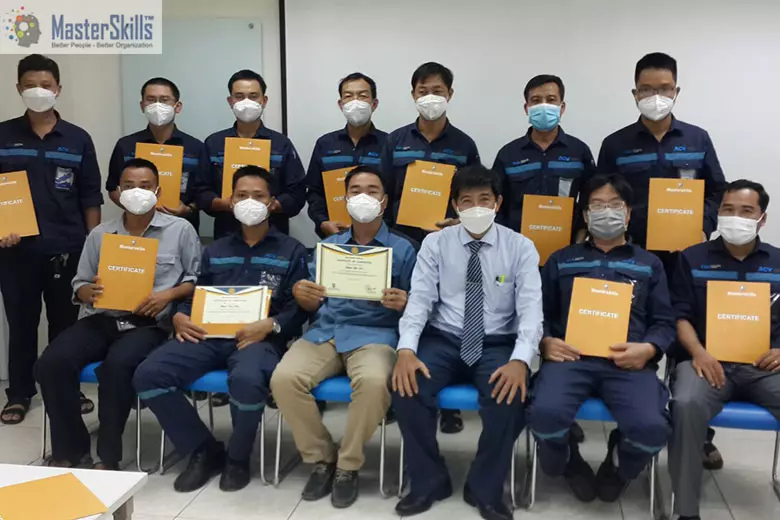 Industrial Maintenance Management - TPMAirport Tan Son Nhat – Ho Chi Minh City
 .webp) Presentation SkillsCompany Thuong Mai Dau Tu Lien A Chau – Ho Chi Minh City
Presentation SkillsCompany Thuong Mai Dau Tu Lien A Chau – Ho Chi Minh City 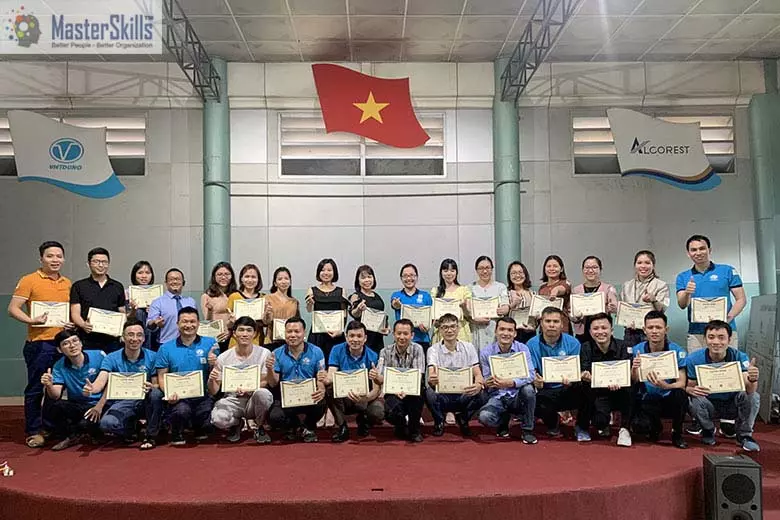 Customer Complaint ResolutionJoint Stock Company Aluminum Viet Dung – Ho Chi Minh City
 Related Courses

Lean Warehouse ManagementDevelop lean warehouse management capabilities through real business scenarios.

Inventory and Warehouse ManagementDevelop inventory and warehouse management capabilities through real business scenarios.

Effective Purchasing ManagementDevelop effective purchasing management capabilities through real business scenarios.
Effective Warehouse ManagementDevelop effective warehouse management capabilities through real business scenarios.

Warehouse Operations SupervisionDevelop warehouse operations supervision capabilities through real business scenarios.

Effective Purchasing SkillsDevelop effective purchasing capabilities through real business scenarios.
Ready to develop application lean in management warehouse capabilities for your team?
Masterskills experts are ready to advise on a Applying Lean in Warehouse Management program aligned with your organization’s objectives.