
Proprietary Course MaterialsStandardized content updated in line with the course objectives.






Course
Hoshin Kanri Strategy Deployment
Manufacturing and Maintenance Training
Help manufacturing teams strengthen hoshin kanri strategy deployment capability through practical tools, case-based learning and immediately applicable workplace action plans.
Table of Contents
1. Course Overview
Effective hoshin kanri strategy deployment requires more than isolated technical knowledge. Organizations need a structured approach that connects operating objectives, process discipline, people capability, data and cross-functional coordination.
The “Hoshin Kanri Strategy Deployment” course helps participants understand core principles, apply practical tools and work through realistic manufacturing scenarios. The program is designed for managers, supervisors and professionals who need to convert knowledge into measurable workplace results.
Through discussions, case analysis, templates and applied exercises, participants learn how to identify issues, evaluate options, build action plans and sustain improvements in their own departments or production environments.
2. Learning Objectives
- Understand the role, principles and business value of hoshin kanri strategy deployment in manufacturing operations.
- Identify current process gaps, risks, waste and improvement opportunities in the workplace.
- Use relevant tools, indicators, templates and data to analyze problems and support decisions.
- Coordinate effectively across production, maintenance, quality, planning, warehouse and support functions.
- Develop feasible improvement actions aligned with safety, quality, productivity, cost and delivery objectives.
- Establish follow-up indicators and routines to sustain results after the training program.
3. Target Participants
- Production managers, supervisors and team leadersNeed to manage daily execution, performance, quality, cost and improvement on the shop floor.
- Production engineers, process engineers and technical specialistsUse tools and data to analyze problems, improve processes and support operational decisions.
- Quality, maintenance, planning, warehouse and supply-chain personnelCoordinate related processes that affect production stability and performance.
- Lean, Kaizen and operational excellence practitionersNeed practical methods to identify opportunities, implement improvements and sustain results.
4. Course Outline
The program is organized into practical modules that move from core concepts to tools, application, implementation planning and sustained improvement in hoshin kanri strategy deployment.
PART 01Foundations of Hoshin Kanri in Strategic Management
- Clarify the purpose, scope and expected outcomes of foundations of hoshin kanri in strategic management.
- Review key concepts, terminology, operating principles and business implications.
- Analyze current practices, common gaps and typical shop-floor challenges.
- Identify required data, process checkpoints, decision criteria and responsibility owners.
- Apply practical tools, templates and case-based exercises relevant to manufacturing operations.
- Discuss risk points, coordination requirements and control mechanisms across departments.
- Develop an implementation action plan that can be adapted to the participant’s workplace.
- Review lessons learned, improvement priorities and follow-up actions after training.
PART 02Defining Direction and Breakthrough Objectives
- Clarify the purpose, scope and expected outcomes of defining direction and breakthrough objectives.
- Review key concepts, terminology, operating principles and business implications.
- Analyze current practices, common gaps and typical shop-floor challenges.
- Identify required data, process checkpoints, decision criteria and responsibility owners.
- Apply practical tools, templates and case-based exercises relevant to manufacturing operations.
- Discuss risk points, coordination requirements and control mechanisms across departments.
- Develop an implementation action plan that can be adapted to the participant’s workplace.
- Review lessons learned, improvement priorities and follow-up actions after training.
PART 03Catchball Deployment and Objective Alignment
- Clarify the purpose, scope and expected outcomes of catchball deployment and objective alignment.
- Review key concepts, terminology, operating principles and business implications.
- Analyze current practices, common gaps and typical shop-floor challenges.
- Identify required data, process checkpoints, decision criteria and responsibility owners.
- Apply practical tools, templates and case-based exercises relevant to manufacturing operations.
- Discuss risk points, coordination requirements and control mechanisms across departments.
- Develop an implementation action plan that can be adapted to the participant’s workplace.
- Review lessons learned, improvement priorities and follow-up actions after training.
PART 04Building the X-Matrix and Action Plans
- Clarify the purpose, scope and expected outcomes of building the x-matrix and action plans.
- Review key concepts, terminology, operating principles and business implications.
- Analyze current practices, common gaps and typical shop-floor challenges.
- Identify required data, process checkpoints, decision criteria and responsibility owners.
- Apply practical tools, templates and case-based exercises relevant to manufacturing operations.
- Discuss risk points, coordination requirements and control mechanisms across departments.
- Develop an implementation action plan that can be adapted to the participant’s workplace.
- Review lessons learned, improvement priorities and follow-up actions after training.
PART 05Monitoring Execution and Managing Variances
- Clarify the purpose, scope and expected outcomes of monitoring execution and managing variances.
- Review key concepts, terminology, operating principles and business implications.
- Analyze current practices, common gaps and typical shop-floor challenges.
- Identify required data, process checkpoints, decision criteria and responsibility owners.
- Apply practical tools, templates and case-based exercises relevant to manufacturing operations.
- Discuss risk points, coordination requirements and control mechanisms across departments.
- Develop an implementation action plan that can be adapted to the participant’s workplace.
- Review lessons learned, improvement priorities and follow-up actions after training.
PART 06Sustaining the Hoshin System and Execution Culture
- Clarify the purpose, scope and expected outcomes of sustaining the hoshin system and execution culture.
- Review key concepts, terminology, operating principles and business implications.
- Analyze current practices, common gaps and typical shop-floor challenges.
- Identify required data, process checkpoints, decision criteria and responsibility owners.
- Apply practical tools, templates and case-based exercises relevant to manufacturing operations.
- Discuss risk points, coordination requirements and control mechanisms across departments.
- Develop an implementation action plan that can be adapted to the participant’s workplace.
- Review lessons learned, improvement priorities and follow-up actions after training.
5. Training Methodology
Classes are delivered in small, learner-centered groups. Instructors provide concise input, then facilitate discussions, scenario-based practice, feedback and reflection so participants can translate knowledge into practical workplace behaviors.
Group Discussions
Individual Exercises
Group Presentations
Brainstorming Techniques
Guided Practice with the Instructor
Experiential Projects
In-Class Activities
Role-Playing Activities
Class Presentations
6. Class Information
| Expected Start Date | Schedule | Class Hours | Location | Tuition Fee | Registration |
|---|---|---|---|---|---|
| To Be Announced | Saturday – Sunday | 08:30 – 16:30 | Ho Chi Minh City | VND 4,500,000 | Registration |
| To Be Announced | Monday – Thursday | 18:00 – 21:30 | Hanoi | VND 4,500,000 | Registration |
10% discount: registration at least 15 days in advance, groups of three or more participants, or loyal clients.Reserve a Seat
Note: The schedule above is provisional and may be adjusted based on enrollment, class arrangements and the actual training plan. Masterskills will confirm the official schedule with participants before the course begins.
- Duration: 2 days / 4 sessions; maximum 35 participants per class.
- Ho Chi Minh City: 224 Dien Bien Phu Street, Ban Co Ward, Ho Chi Minh City.
- Hanoi: 51 Le Dai Hanh Street, Hai Ba Trung Ward, Hanoi.
- Corporate in-house training: Delivered at the client’s office or factory; pricing depends on the design scope, location and class size.
- Additional costs: Instructor travel and accommodation costs are determined by the delivery location, where applicable.
7. Learning Materials & Certification
Participants receive proprietary course materials developed by Masterskills, practical handouts, self-assessment forms and reference materials aligned with real business situations.
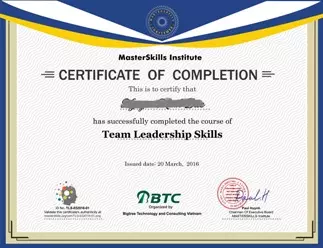
Course Completion Certificate
Participants who meet the attendance and practical requirements receive a Masterskills certificate of program completion.
8. Faculty
Masterskills instructors and experts bring practical management, consulting and training experience relevant to the program content.
Senior Production Management Consultant
Expert in production management, Lean, Six Sigma, productivity improvement, quality systems and operational excellence.

Manufacturing Excellence Consultant
Expert in production management, Lean, Six Sigma, productivity improvement, quality systems and operational excellence.
9. Masterskills Corporate Profile
An overview of Masterskills’ training capabilities, areas of expertise, delivery methodology and experience partnering with organizations.
Client Testimonials
View More Client Testimonials“The Hoshin Kanri Strategy Deployment course provides practical content, relevant exercises and clear facilitation. Participants can apply the tools and action plans directly to their work after the program.”
10. Selected Clients
Masterskills has delivered a number of corporate training programs with content closely related to this course topic.
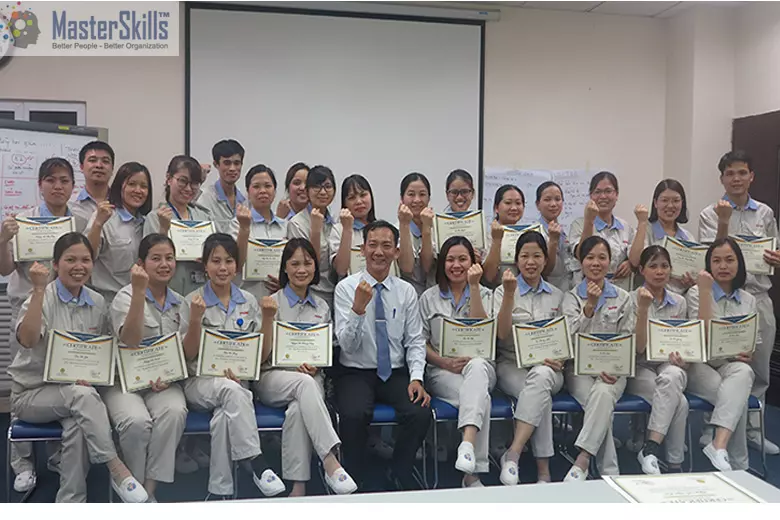 Corporate Training ProgramCo., Ltd. Molex Vietnam – Ho Chi Minh City
.webp) Corporate Training ProgramCompany JSC Steel Builder Vietnam - Ho Chi Minh City
Corporate Training ProgramCompany JSC Steel Builder Vietnam - Ho Chi Minh City
.webp) Corporate Training ProgramCompany Toyotsu Safety & Automotive Components Vietnam - Case Binh Duong
Corporate Training ProgramCompany Toyotsu Safety & Automotive Components Vietnam - Case Binh Duong
.webp) Corporate Training ProgramCompany Dong Nai Chau A - Vung Tau
Corporate Training ProgramCompany Dong Nai Chau A - Vung Tau
.webp) Corporate Training ProgramCompany GoldCoin FeedMill Long An
Corporate Training ProgramCompany GoldCoin FeedMill Long An
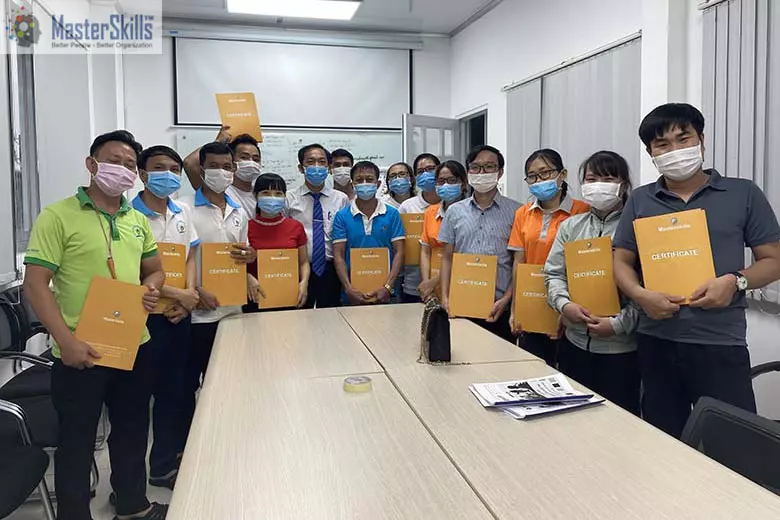 Corporate Training ProgramCo., Ltd. Nature Foods – Dong Nai
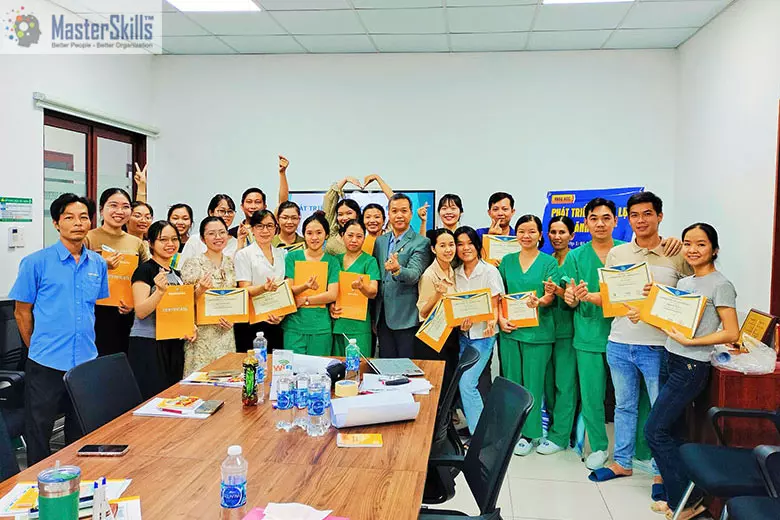 Corporate Training ProgramCo., Ltd. DNS GLOBAL Vietnam - Dong Nai
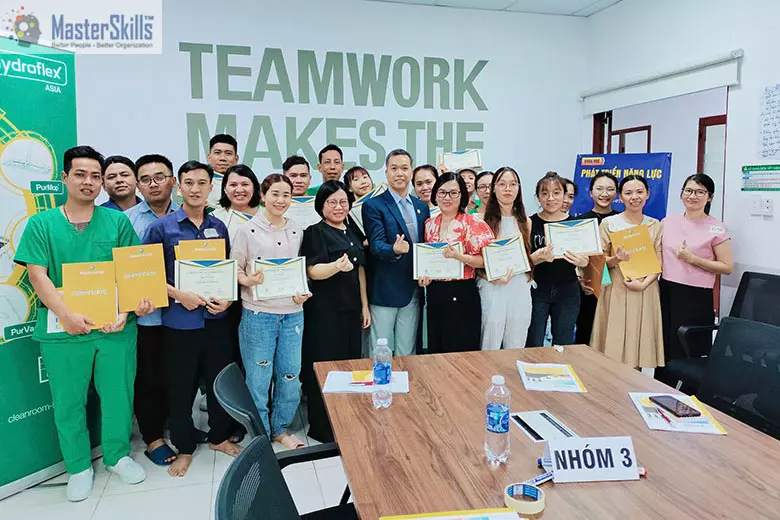 Corporate Training ProgramCo., Ltd. DNS GLOBAL Vietnam - Dong Nai
Related Courses

Related Manufacturing CourseDevelop practical capabilities through real business scenarios and applied exercises.

Production PlanningDevelop practical capabilities through real business scenarios and applied exercises.

Production Forecasting and PlanningDevelop practical capabilities through real business scenarios and applied exercises.

Production Reporting SkillsDevelop practical capabilities through real business scenarios and applied exercises.

Production Line BalancingDevelop practical capabilities through real business scenarios and applied exercises.

Related Manufacturing CourseDevelop practical capabilities through real business scenarios and applied exercises.
Ready to develop hoshin kanri strategy deployment capability for your team?
Masterskills experts are ready to advise on a Hoshin Kanri Strategy Deployment program aligned with your organization’s objectives.